
Here's the thing about clitoral sensitivity
Not everyone's clitoris wants the same kind of touch. For some people, direct vibration feels amazing. For others, it's overwhelming, uncomfortable, or even painful. The difference isn't in desire or capacity for pleasure. It's purely anatomical.
Clitoral tissue is delicate. The external clitoris has roughly 8,000 nerve endings packed into a space smaller than a pea. When you apply sustained, direct vibration to that area, especially at high frequency, you're creating friction and pressure that can numb sensation over time or trigger discomfort immediately.
Lemon vibrators and other air-suction clitoral vibrators work around this problem by eliminating friction entirely.
How air-suction technology changes everything
Traditional vibrators use oscillation. They move back and forth (or side to side) at a set frequency, creating mechanical friction against tissue. That friction is what delivers stimulation.
Lemon clitoral vibrators use a different mechanism. They create gentle rhythmic suction and release around the clitoris, without the toy ever moving across the surface of the skin. Think of it like a soft mouth creating rhythm, not a vibrating wand pressing into tissue.
This matters because:
No friction means no numbing. Sustained vibration can dull nerve sensation over time. Suction avoids this entirely. Your sensitivity stays steady for the full session.
Pressure is distributed differently. Instead of concentrated vibration in one spot, suction pulls stimulation inward and draws nerve endings slightly into the cup. This feels less like pressure and more like gentle drawing or tugging.
You can use higher intensities safely. Because there's no friction-based pressure, you can crank up the suction strength without the sharp or raw feeling you'd get from a high-frequency vibrator. The sensation stays round and full.
Recovery time is faster. If you've ever used a powerful vibrator and felt sore the next day, you know what I mean. Air-suction stimulation causes far less tissue irritation because there's no mechanical grinding.
Who benefits most from lemon suction vibrators
I recommend lemon clitoral vibrators specifically to people with:
Clitoral nerve pain or hypersensitivity. If direct touch feels sharp or electric rather than pleasurable, suction lets you build arousal without triggering that sensation.
Post-menopausal or hormonal tissue changes. When estrogen drops, the clitoral tissue thins and becomes more delicate. Suction avoids the pressure that makes thin tissue uncomfortable.
Chronic conditions affecting nerve sensation. Diabetes, peripheral neuropathy, and other conditions can make the clitoris feel raw or numb to vibration. The different stimulus pathway often helps.
A history of friction-related irritation. Some people get inflamed tissue from traditional vibrators. Switching to suction-based stimulation solves the problem permanently.
Partners who want gentler, less intense sensation. You don't need a clinical reason. Some people just prefer the feeling of suction to vibration. That's completely valid.
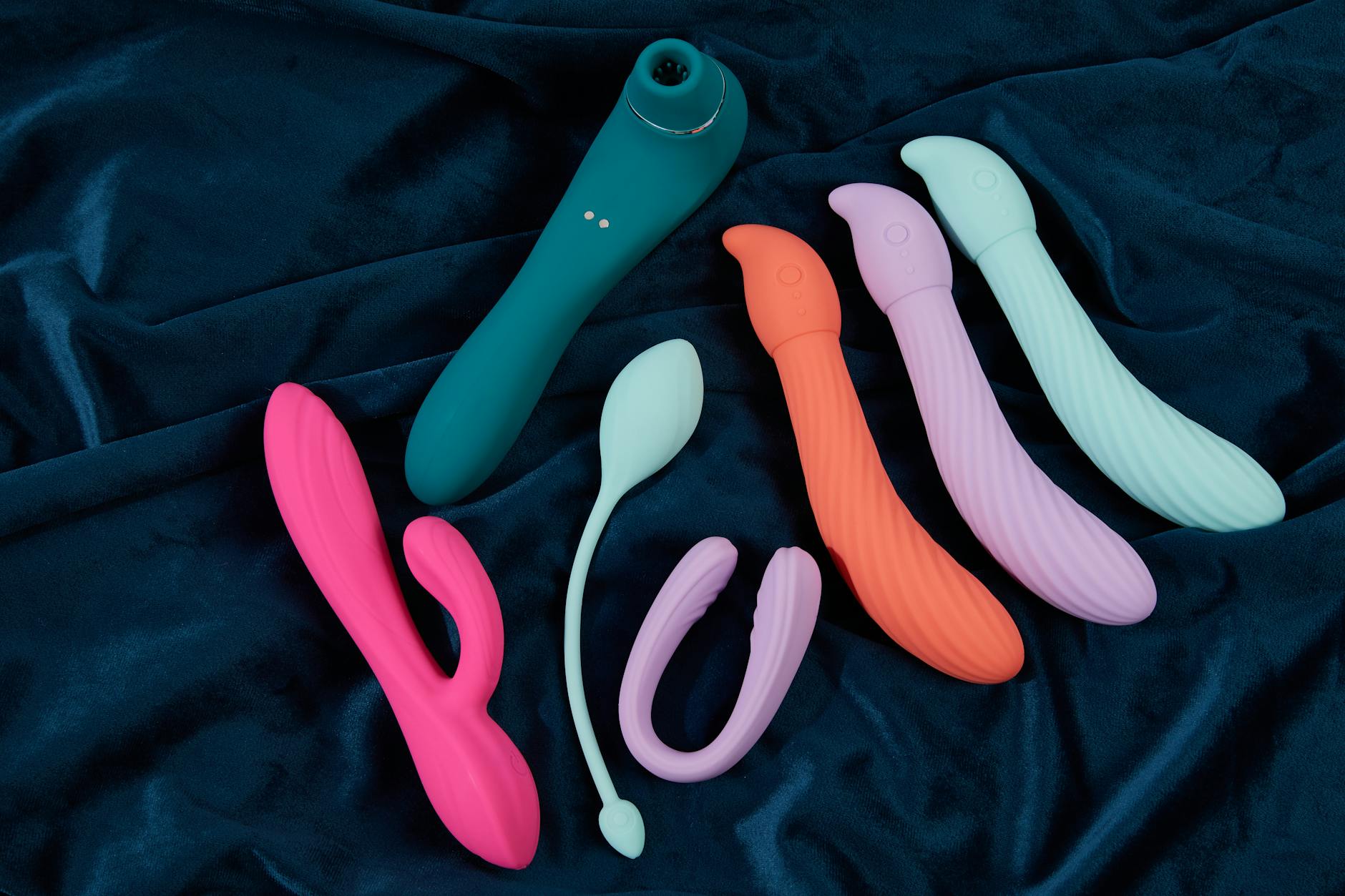
Photo by IFONNX Toys on Pexels
The physiology: what's happening in your body
When you use a lemon vibrator, the suction creates a pressure differential around the clitoris. This activates mechanoreceptors (nerve endings that respond to touch and pressure) in a way that's distinct from vibration-based stimulation.
Vibration excites fast-adapting nerve fibers. Your nervous system adjusts to the frequency after a few minutes, which is why you need to keep increasing intensity to maintain sensation.
Suction activates slow-adapting nerve fibers, which don't desensitize as quickly. This is why people often report that suction feels sustainable. You can go longer without needing to chase sensation.
The clitoral erection (yes, it's real) also works differently with suction. Instead of external swelling from vibration, suction gently engorges the tissue inward and outward simultaneously. Some people find this creates a more full-body sensation rather than localized stimulation.
Orgasm physiology also differs slightly. Vibration-based orgasms often feel sharp and localized. Suction-based orgasms, in my clients' descriptions, often feel more diffuse and longer-lasting. Neither is better. They're just different pathways to pleasure.
How to use lemon vibrators safely if you have sensitive tissue
Start low. Even if you're used to high-intensity vibrators, begin a new lemon clitoral vibrator at the lowest suction setting. Your tissue needs to adjust to the new stimulus type.
Warm up first. Spend 10-15 minutes with external touch or manual stimulation before introducing the toy. Arousal increases blood flow and tissue elasticity, which makes the experience more comfortable.
Use the suction cup correctly. The cup should seal gently around your clitoris, not around the entire vulva. If you're getting discomfort, the seal is too wide or the pressure is pulling too much surrounding tissue. Adjust the position slightly and try again.
Take breaks between sessions. Even though lemon vibrators are gentler, using them back-to-back for hours will still cause some inflammation. Space sessions out by at least 24 hours if you're new to this.
Add lubricant if needed. Water-based lube (never silicone-based, which can degrade silicone toys) helps the cup seal smoothly and reduces any slight friction during positioning.
Comparing lemon vibrators to other clitoral options
Traditional vibrators deliver faster orgasms for some people. If you like quick, intense stimulation, a standard wand might suit you better than a lemon sucker. Suction is more about building and sustaining pleasure than chasing climax.
Vibrating panties and remote-controlled toys like the Pixie offer discretion and partner involvement, but still use vibration as their primary mechanism. If vibration bothers you, they'll have the same issue.
Manual toys or finger vibrators give you total control over speed and intensity, but require more active effort. Some people prefer the hands-free consistency of a lemon vibrator.
The key difference: lemon clitoral vibrators are the only mainstream option that replaces friction entirely. If friction is the problem, they're often the solution.
The pleasure side of the equation
Beyond the physiology, people use lemon vibrators because they feel good in ways that matter emotionally. Pleasure without pressure. Intensity without soreness. Sustained sensation without numbness.
Many of my clients report that switching to a lemon vibrator (or trying one for the first time) reconnects them with sensation they thought they'd lost. Someone who'd stopped masturbating because vibrators hurt suddenly finds she can again. Someone who'd assumed their body just didn't respond well finds that it responds beautifully to a different kind of touch.
That's not a small thing. Sexual pleasure is part of wellbeing, and when you find a tool that actually works for your body instead of working against it, the whole landscape of your intimate life shifts.
FAQ: Common questions about lemon vibrators and sensitive tissue
Do lemon vibrators work if I've lost sensation from using vibrators too much?
Maybe. If you've numbed your clitoris through years of high-intensity vibration, your sensitivity can sometimes return over weeks or months if you switch to gentler stimulation or take a break altogether. A lemon vibrator is a good tool during recovery because it won't re-numb you. But don't expect it to instantly restore sensation. Give your nervous system 2-3 weeks of reduced stimulation to recalibrate.
Can I use a lemon vibrator if I have a clitoral piercing?
Usually, yes, but carefully. A vertical clitoral hood piercing shouldn't be a problem. A direct clitoral piercing (rare, and typically performed only by specialized piercers) needs more caution. The suction cup might catch the jewelry or create pressure on the piercing site. Test at the lowest setting first, and if it feels wrong, skip it.
Are lemon vibrators quieter than regular vibrators?
Much quieter. Because they're using suction and pulsing rather than high-speed vibration, the sound is minimal. Most operate at barely above a whisper, which is valuable if you're concerned about privacy.
How do I know if the problem is the vibrator or something else?
If you feel pain or discomfort only with vibrators (not with manual touch or partnered activity), vibrator-related irritation is likely the culprit. If pain happens across all types of stimulation, the issue is probably something medical. A gynecologist can rule out vulvodynia, dermatological conditions, or hormonal issues. Once medical causes are cleared, switching to a lemon clitoral vibrator often solves the problem.
Do lemon vibrators feel less intense overall?
Not necessarily. The intensity is different, not automatically lower. At the highest suction settings, a lemon vibrator can feel intensely stimulating. What changes is the quality of the sensation. Some people find suction more intense than vibration. Others find it milder. It's personal.
Can I use a lemon vibrator with a partner?
Absolutely. Many couples use clitoral vibrators during partnered sex or foreplay. A lemon vibrator's gentler mechanism can feel less isolating than a powerful wand, because the lower pressure allows easier penetrative contact at the same time. Some partners also find the suction sensation interesting during partnered exploration.
The takeaway
If traditional vibrators have hurt, numbed you, or never worked for your body, a lemon clitoral vibrator offers a completely different pathway to pleasure. It's not about being "less" stimulating. It's about delivering stimulation in a way that matches how your nervous system and clitoral tissue actually work.
Your pleasure matters. Your body isn't broken if vibration doesn't work for you. You just need a tool designed differently. That's what lemon vibrators do.
Ready to explore? Start with the lowest setting, give yourself time to adjust, and pay attention to what feels good. Your body will tell you.