
Here's what nobody tells you about desire shifting in long-term partnerships
You've been with your partner for years. Sex has been... fine. Comfortable. Predictable. Then something shifts. Maybe you've both hit a wall together. Maybe one of you read something, got curious, started thinking about what's been missing. Maybe life got quieter and you both suddenly noticed the silence in the bedroom.
So one of you mentions toys. Lemon vibrators, maybe. And suddenly the entire texture of what "pleasure" means in your relationship starts to feel different. Not worse. Not better necessarily. Just different. And that difference feels significant enough that it matters to understand it.
The intimacy shift when you add a new tool
Let me be clear: introducing a toy into a long-term relationship isn't really about the toy. It's about permission. Permission to want something different. Permission to ask for it. Permission to be curious together instead of just being comfortable.
When you've been with someone for 10 or 20 years, the physical language between you is deeply ingrained. You know each other's rhythm. You know what works. And that knowledge is genuinely valuable. But it can also become rote, and both of you feel it.
A lemon vibrator introduces a new variable. It's not you. It's not your partner. It's a third element that changes the entire dynamic. For some couples, this creates an opening to talk about pleasure in a way they never have before. "Does that feel good?" stops being a rhetorical question and becomes genuine. "What do you want?" becomes answerable because there's something concrete to explore.
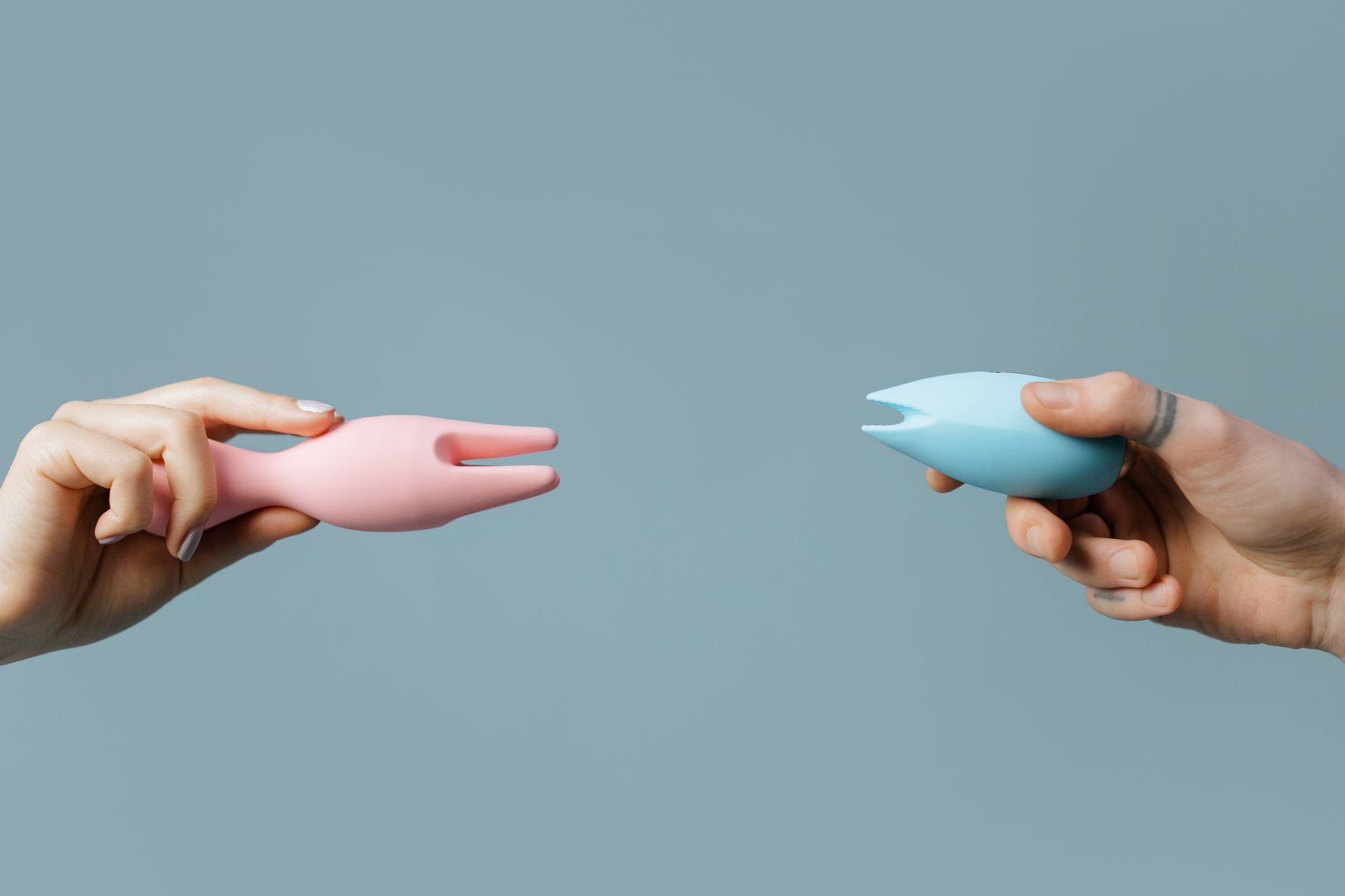
Photo by cottonbro studio on Pexels
Why the sensation feels novel even though your body is the same
There's a neurological component here. When your brain encounters something genuinely new after years of familiar patterns, it wakes up. The anticipation is different. The uncertainty is different. You're not operating on muscle memory.
Adding lemon clitoral vibrators to intimacy with a long-term partner also changes the power dynamic in subtle ways. If you've been in a pattern where one person initiates and one person receives, a toy democratizes things. Both of you are now focused on sensation rather than performance. The pressure shifts.
Many couples tell me that when they introduce a lemon vibrator together, they actually slow down. Instead of moving toward the finish line like they always have, they pause. They experiment. They try different patterns. They laugh when something unexpected happens. This isn't because the vibrator is magical. It's because the novelty creates space to be present in a way years of routine had collapsed.
What stays the same and why it matters
Here's the part that gets skipped in most conversations: your actual desire for your partner doesn't change. Your comfort with them doesn't evaporate. Your history doesn't vanish. What changes is the texture of how you access pleasure together.
I've worked with couples who introduce toys after 15 years of marriage, and they're shocked to realize that adding a lemon vibrator doesn't make them want their partner less. It actually clarifies what they want from their partner. The toy handles one job. Your partner handles something the toy can't, which is everything else. The anticipation of being with them. The trust. The specific ways your partner knows your body that no device can replicate.
This distinction is important because there's often an underlying fear: "If we bring in a vibrator, does that mean I'm not enough?" The answer is no. It means you're both willing to be honest about what you actually want instead of settling for what you've always done.
The conversation you actually need to have
Introducing a lemon vibrator into a long-term relationship doesn't fail because of the tool. It fails because couples skip the actual conversation about desire and land directly on logistics.
Here's what I recommend: separate the technical conversation from the emotional one. "I want to try this toy together" is different from "I want us to feel more connected." Don't confuse them. The toy is a tool. The connection is the work.
Start by talking about what you actually want. Not what you think you should want. Not what you've read is normal. What you actually want. If your partner has been hesitant about toys, ask why specifically. Is it shame? Performance anxiety? Unfamiliarity? Each answer requires a different conversation.
Then talk about what a lemon vibrator would actually be used for. Are you exploring together, or is this something one of you wants while the other is present? Both are fine. They're just different, and the difference matters for how you approach it.
How to actually start without awkwardness
Let's be honest: the first time you pull out a vibrator in a long-term relationship feels weird. That's normal. Your brain is accustomed to a particular ritual, and you're changing it. Acknowledge that it's weird and move forward anyway.
Start with no expectations about outcomes. Not every session will be earth-shattering. Some will feel mechanical. Some will feel silly. That's completely fine. You're building a new skill together, which is different from enjoying something you've already perfected.
Many couples find that the lemon vibrator works best when neither person is treating it as a performance tool. Don't use it as a way to "fix" something. Use it as a way to explore. There's a huge difference. One is goal-oriented and pressure-filled. The other is curious and playful.
Why intensity feels different now
When you've been with someone for years, you often develop a pattern of stimulation intensity. Maybe you've always been gentle. Maybe you've always been more vigorous. That pattern becomes so ingrained that it stops feeling like a choice.
A lemon clitoral vibrator offers variable intensity. This sounds simple, but it fundamentally changes the experience. Instead of receiving the same pressure you've always received from your partner's hand or body, you can now adjust what you want in real time. This alone can make pleasure feel different because you're actually choosing it rather than accepting it.
For some couples, especially those dealing with the physical changes that come with aging together, a vibrator introduces a level of stimulation that wasn't accessible before. That's not a reflection on either partner. It's just mechanics. And sometimes understanding the mechanical part removes the shame from it.
The relationship shift that happens after
I want to be specific about something I see repeatedly: couples who introduce lemon vibrators together often report feeling more connected afterward, not less. This seems counterintuitive, but it makes sense when you understand what's actually happening.
You've just done something vulnerable together. You've admitted that you wanted something different. You've experimented with something new. You've probably felt a little awkward and pushed through it anyway. That builds intimacy in a way that years of comfortable, rote sex doesn't.
You've also created a new baseline for communication. If you can talk about wanting to try a vibrator together, you can talk about other things. Desire becomes less of a mystery and more of an actual conversation.
When to seek support
If you've talked about introducing a lemon vibrator and one partner is consistently resistant, that's worth exploring together, ideally with a therapist who specializes in couples and sexuality. Resistance often points to something deeper. Fear, shame, old beliefs about what's normal, concerns about what it means about the relationship. Those are all valid and all addressable, but not alone.
If you've introduced a vibrator and it feels like things got worse instead of better, that's also worth examining. Sometimes toys mask real problems instead of solving them. A good therapist can help you figure out which is which.
FAQ
Can using a lemon vibrator with a long-term partner actually improve our connection?
Yes, but not because of the vibrator itself. The improvement comes from having a conversation about desire that you've probably been avoiding, and then following through on it together. The vibrator is just the vehicle for that conversation. If you use it as a way to avoid talking about what's actually missing, it won't help. If you use it as a starting point for deeper conversation, it almost always does.
Is it normal to feel weird or awkward the first time?
Completely normal. You're changing a pattern that's been ingrained for years. Your brain expects the familiar, and you're deliberately introducing something unfamiliar. That weirdness is not a sign that something is wrong. It's just a sign that you're doing something new.
What if my partner thinks wanting to use a vibrator means they're not enough for me?
This is the conversation you have separately from introducing the toy. You address the fear directly. "I want this because I want to experience more with you, not because you're lacking." And then you follow through by showing them that the toy is an addition to what you already do together, not a replacement for it. Actions matter more than reassurance here.
Does using lemon vibrators change how people feel about their partners long-term?
Not negatively, typically. What changes is usually a sense of relief. Relief that you can actually talk about what you want. Relief that there's more option than the single way you've been doing things. Relief that your partner is willing to explore with you. That doesn't usually create distance. It usually creates closeness.
How often should we use it if we introduce one?
There's no "should" here. Some couples integrate a vibrator into regular intimate time. Some use it occasionally when they want something different. Some use it for a few months and then move on. The frequency doesn't matter. What matters is that it's something you both actually want, not something one person is doing to placate the other.
What if we try it and don't like it?
Then you don't use it. You've learned something about what you don't want, which is information. Some couples find that once they've opened the conversation about desire, they don't actually need the vibrator. They just needed permission to ask for something different. That's a win too.