Here's the thing about partner preferences
Not everyone wants penetration. Not everyone enjoys it equally. And when your partner is someone who lights up from clitoral stimulation alone, the entire dynamic of your intimate life shifts. The good news: this preference isn't a limitation. It's actually an opening.
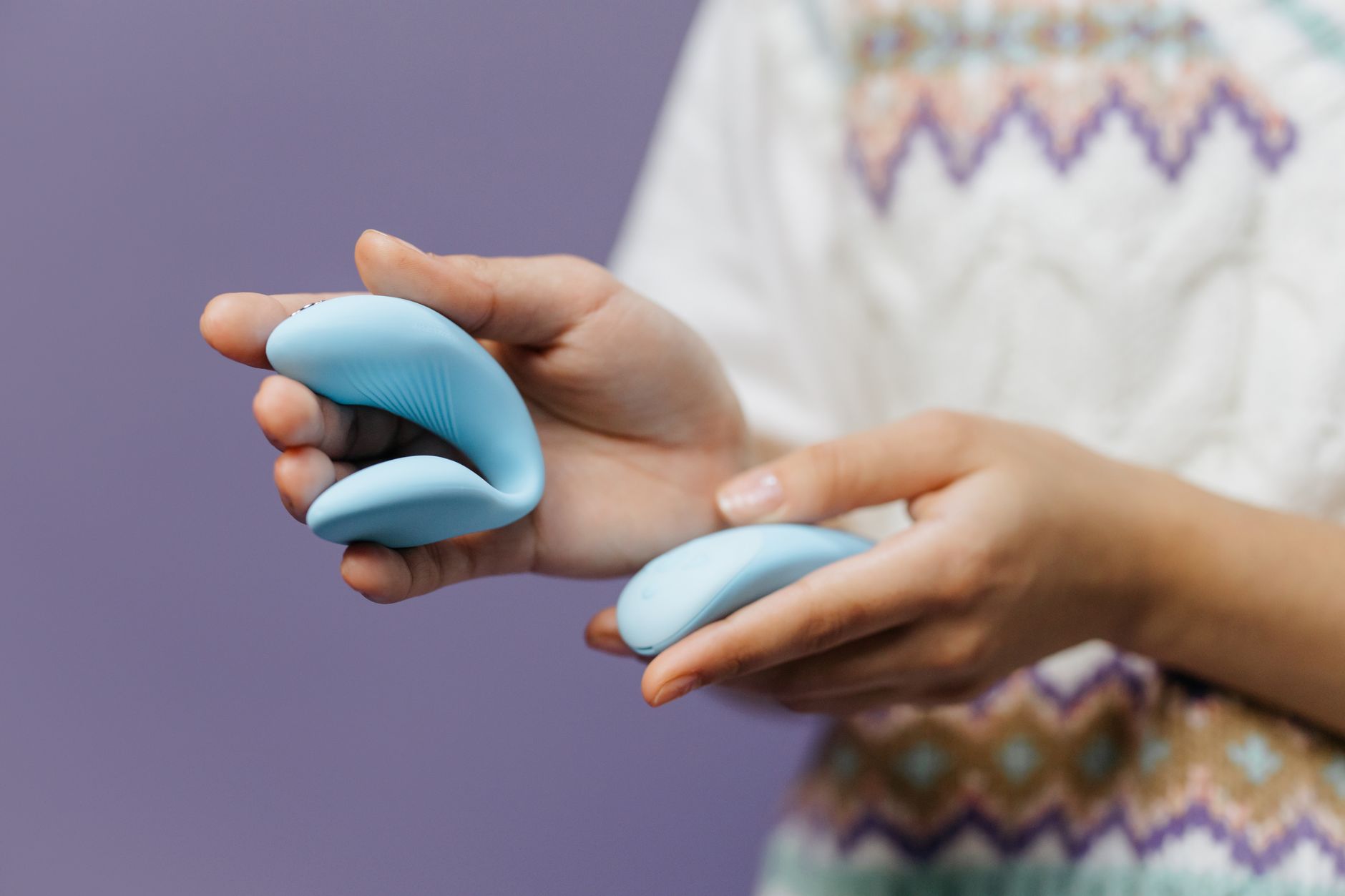
Lemon vibrators exist in this space perfectly. They're designed for external work, which means they're built for precision, control, and the kind of stimulation that makes partnered play feel collaborative instead of parallel.
Why external stimulation matters in partnership
When someone prefers external clitoral work, they're not being difficult or limiting the relationship. They're being honest about their body. The clitoris has 8,000 nerve endings packed into a space the size of a pea. It's wildly sensitive, wildly specific about what feels good, and wildly capable of orgasm without anything going inside.
For people with this preference, internal stimulation often feels like a distraction from the main event. It's like someone insisting you eat the plate when you came for the meal. Technically it's food, but it's not what you wanted.
When both partners understand this, sex stops being about compromising bodies and starts being about amplifying what actually works. That's where lemon vibrators shine.
The control factor
Lemon clitoral vibrators put pleasure in the hands of the person who knows their body best. But here's the partnership angle: they also let your partner participate in that knowledge.
Unlike penetrative sex, where one person is physically inside the other, external stimulation is something you can do together. Your partner holds the vibrator. You guide it. You say "lighter" or "faster" or "right there." Suddenly sex isn't about two people trying to sync up around an inherent power imbalance. It's two people tuning the same instrument.
This matters emotionally, not just physically. It builds intimacy through communication. It means your partner gets to watch your face, see what makes you gasp, feel your hand steering theirs. That's connection.
Why lemon vibrators specifically
Not all clitoral vibrators are built the same way. Wand vibrators are broader and more diffused. Suction toys are intense and highly specialized. Lemon vibrators hit a specific sweet spot: they're precise without being overwhelming, they're stimulating without requiring the exact positioning of a suction toy, and they work for a wider range of bodies and sensitivities.
For partnered sex, this matters because your partner doesn't need clinical precision to use one well. They need intuition and a tool that responds to their touch. Lemon vibrators do both.
The size also helps. They're small enough to hold comfortably while kissing. They fit in the space between your bodies without getting in the way. You can use them during oral sex, during manual stimulation, during foreplay, or as the main event. They're flexible in a way that partnered toys often aren't.
Communication without the awkward pause
Here's what I see in couples who've figured this out: using a lemon vibrator together removes the "should we even be doing this" anxiety that kills sex faster than anything.
When you introduce a toy, you're not saying "I'm not enough." You're saying "Here's another way to feel good together." If it's a clitoral vibrator, you're actually saying "I want to feel what my body loves most, and I want you there with me."
That reframes everything. Instead of toys being a backup plan or a crutch, they become part of your shared language around pleasure.
Start small. Let your partner hold it on low while you're kissing. Feel what changes. Ask them what they notice. Most couples report that the conversation that happens during toy use is more intimate than the conversation that happens before it.
Different bodies, different approaches
If your partner prefers external stimulation, odds are they've got a specific preference around pressure, pattern, and speed. Some people want firm, concentrated vibration. Others want broad, gentle sensation. Some love patterns that pulse. Others want steady.
Lemon vibrators come in different models, each with different intensity levels and vibrational patterns. This means you're not buying one toy and hoping it works. You're finding the one that matches their body's actual preference.
That specificity is why they work so well in partnerships. You're not compromising on a toy because it's what fits both of you. You're choosing the one that actually serves the person who's receiving the stimulation, and your partner gets to be part of that choice.
When your body responds differently
Some people find that having a partner handle the vibrator actually changes how their body responds. Psychological arousal shifts neural pathways. Knowing your partner is learning your pleasure map, watching you, paying attention to what makes you come.that changes everything.
Other people find the opposite. They feel more pressure when someone else is controlling the toy. They clench. Their mind goes elsewhere. If that's you, say so. Maybe you use the vibrator on yourself while your partner touches you elsewhere. Maybe they hold it but you drive the pattern. There's no "right" way to use a lemon vibrator in partnership except the way that feels good to both of you.
This is where communication becomes less about logistics and more about permission. You're allowed to say what works. Your partner is allowed to ask what they can do. That's the whole point.
Building pleasure as a team skill
One of the most important things I talk about in couples therapy is the idea that pleasure is something you build together, not something that just happens to you. When you're using a lemon vibrator with a partner who prefers external stimulation, you're literally practicing that skill.
You're learning where your partner's sensitive spots are. They're learning how to read your body's feedback. You're both practicing the tiny adjustments that turn "that's nice" into "I'm going to come." These skills transfer to everything else you do physically together.
The vibrator isn't the point. The attention is. The lemon vibrator just makes the attention easier to focus.
The solo angle matters too
If you're using lemon vibrators with your partner, odds are you're also using them alone. That matters because your solo pleasure directly affects your partnered pleasure.
When you know exactly how your body responds, when you've practiced bringing yourself to orgasm efficiently, when you're not relying entirely on your partner to know your body.you bring that confidence into partnered sex. You can say "do this" instead of "maybe try this." You're not hoping your partner figures you out. You already know yourself.
That's not selfish. It's the opposite. Self-knowledge is a gift to your partnership.
What if your partner's preference changes
Bodies change. Hormones shift. What felt good last year might feel overwhelming this year. If you've built your partnered sex life around lemon vibrators and external stimulation, and suddenly your partner wants something different, you haven't failed. You've got a foundation.
The communication patterns you built using the vibrator still work. The permission you gave each other to say "here's what feels good right now" still applies. You're just adjusting the tool, not renegotiating the whole relationship.
The emotional payoff
Here's what partners tell me: using a lemon vibrator together feels like foreplay in a way that surprises them. They expected it to feel clinical or performative. Instead, it feels tender. It feels like paying attention. It feels like someone saying "I'm interested in what feels good for you, and I want to be part of that."
That's the real magic. Not the vibration itself, but the partnership it creates around pleasure. When someone you care about is holding a toy and paying attention to your body, that's intimacy. That's trust. That's what makes sex feel like connection instead of just physical activity.
If your partner gravitates toward external stimulation, you're not dealing with a limitation. You're dealing with clarity about what actually works. Lemon vibrators are just the tool that makes that clarity feel like partnership instead of compromise.
People also ask
How do I bring up using a lemon vibrator with my partner if they've never mentioned it?
Start with curiosity, not suggestion. Ask what feels good. Listen for mentions of clitoral preference. When you hear it, say something like "I've been reading about toys designed for that, and I'm curious what you'd think." Approach it as exploration, not problem-solving. Most partners respond better to "want to try something together?" than "I think you need this."
Can we use a lemon vibrator if my partner is uncomfortable with toys?
Uncomfort usually comes from shame or anxiety about what toys mean. Address the underlying feeling first. Do they worry they're not enough? Do they have religious or cultural beliefs about toys? Do they think toys are only for solo use? Once you understand the root, you can have a real conversation. Sometimes comfort comes from education. Sometimes it comes from giving them control over when and how you use it. Sometimes it means waiting until they're ready.
What if I want penetration but my partner doesn't?
This is a legitimate incompatibility to address, but it's not necessarily a dealbreaker. You might use a vibrator for their pleasure while using a dildo on yourself. You might penetrate with your fingers while using a vibrator. You might decide that penetration isn't central to your sex life, and find you don't actually miss it. The key is honest conversation about whether this is a hard need for you or a habit you're willing to release.
How do I know if my partner actually enjoys partnered toy use or just tolerates it?
Watch for engagement. Do they ask questions about it between sex sessions? Do they initiate using the vibrator, or do you always suggest it? Do they seem present when you're using it, or checked out? The best sign is when someone wants to try different patterns or positions with the toy. That's genuine curiosity, not tolerance.
Can lemon vibrators help if my partner's sensitivity is inconsistent?
Absolutely. If your partner's body responds differently on different days, having multiple intensity settings or a toy you can control from low to high helps you meet them where they are. You're not starting from penetration and hoping they get there. You're starting from what they need that specific day and building up.
What if my partner wants to use the vibrator on me when I prefer internal stimulation?
You get to have preferences too. If you genuinely prefer penetration and your partner prefers external play, that's a conversation worth having. You might take turns. You might use the vibrator on yourself while they penetrate. You might discover that external play feels different when someone you're intimate with is part of it. The vibrator doesn't have to replace what you want. It can complement it.
The bottom line
When your partner prefers external stimulation, lemon vibrators stop being a side tool and become a centerpiece. They're built for precision, they're easy to use together, and they make communication feel natural instead of forced. More than that, they transform partnered sex from "two people trying to sync up" into "two people tuning the same experience."
If that resonates with you, start here. Pick up a vibrator. Talk about it beforehand or just let it unfold. See what your partner's body does. See what yours does. That attention, that care, that willingness to explore what actually feels good.that's the real point.
For more on building pleasure in partnership, check out how to introduce lemon vibrators to your partner without awkwardness. And if you're navigating different preferences around internal versus external stimulation, how lemon vibrators compare to wand vibrators might help you understand the range of options. If your partner's been away from sex for a while, improving sensation after extended breaks covers rebuilding that connection too.
Your pleasure matters. Your partnership matters. Getting both right matters most.