Let's talk about the thing no one warns you about
Your antidepressant works. Your mood stabilizes. Your anxiety drops. And then one day you realize you can barely feel anything down there. Not pain, not sensation, not arousal. Just... flatness. It's like someone turned down the volume on your entire body.
This is not in your head. Sexual side effects from SSRIs, SNRIs, and other antidepressants affect 40 to 65 percent of people taking them, depending on the medication and dose. Numbness is one of the most common. And it's almost never discussed in that initial prescribing conversation.
How antidepressants affect physical sensation
Most antidepressants work by increasing serotonin in your brain, which is great for mood regulation. But serotonin also affects arousal, blood flow to genital tissue, and the neural sensitivity in your clitoris and vulva. When serotonin goes up, arousal signals can get muted. Blood flow doesn't increase as much during stimulation. The nerves that would normally fire rapidly during touch stay quieter.
This isn't a personal failure. It's pharmacology. Your body is doing exactly what the medication designed it to do.
The good news: this is one of the most addressable sexual side effects, especially if you're willing to use the right tools.
Why sensation feels so different
Think of sensitivity like a volume dial. Antidepressants turn the dial down across your whole nervous system, including the parts responsible for pleasure. This affects you in several overlapping ways.
First, arousal takes longer to build. What used to happen in five minutes now takes twenty. Your clitoris gets less engorged during stimulation, which means less visible swelling and less intense sensation. Second, orgasm becomes harder or changes texture entirely. Some people describe it as distant, muted, or like watching pleasure happen to someone else. Third, desire itself often disappears. You might not want sex at all, independent of whether your body can physically respond.
The layers are real. Numbness is not just physical. It's neurological and psychological.
When it's worth talking to your doctor
If you're experiencing sexual numbness from antidepressants, your first conversation should be with your prescriber. This is not shameful. This is a legitimate medication side effect. You have several options worth exploring.
One option is timing your dose around your sexual activity. Some people find that taking their medication at night instead of the morning preserves more daytime sensation. Another is adjusting the dose slightly, if possible. Sometimes a 10 or 20 percent reduction restores sensation without compromising mood. A third is switching medications entirely. Some antidepressants (like bupropion) are less likely to cause sexual side effects than others.
But here's what they won't tell you in that appointment: even while you're on the medication, you can help your body wake back up.
How lemon vibrators restore clitoral sensitivity
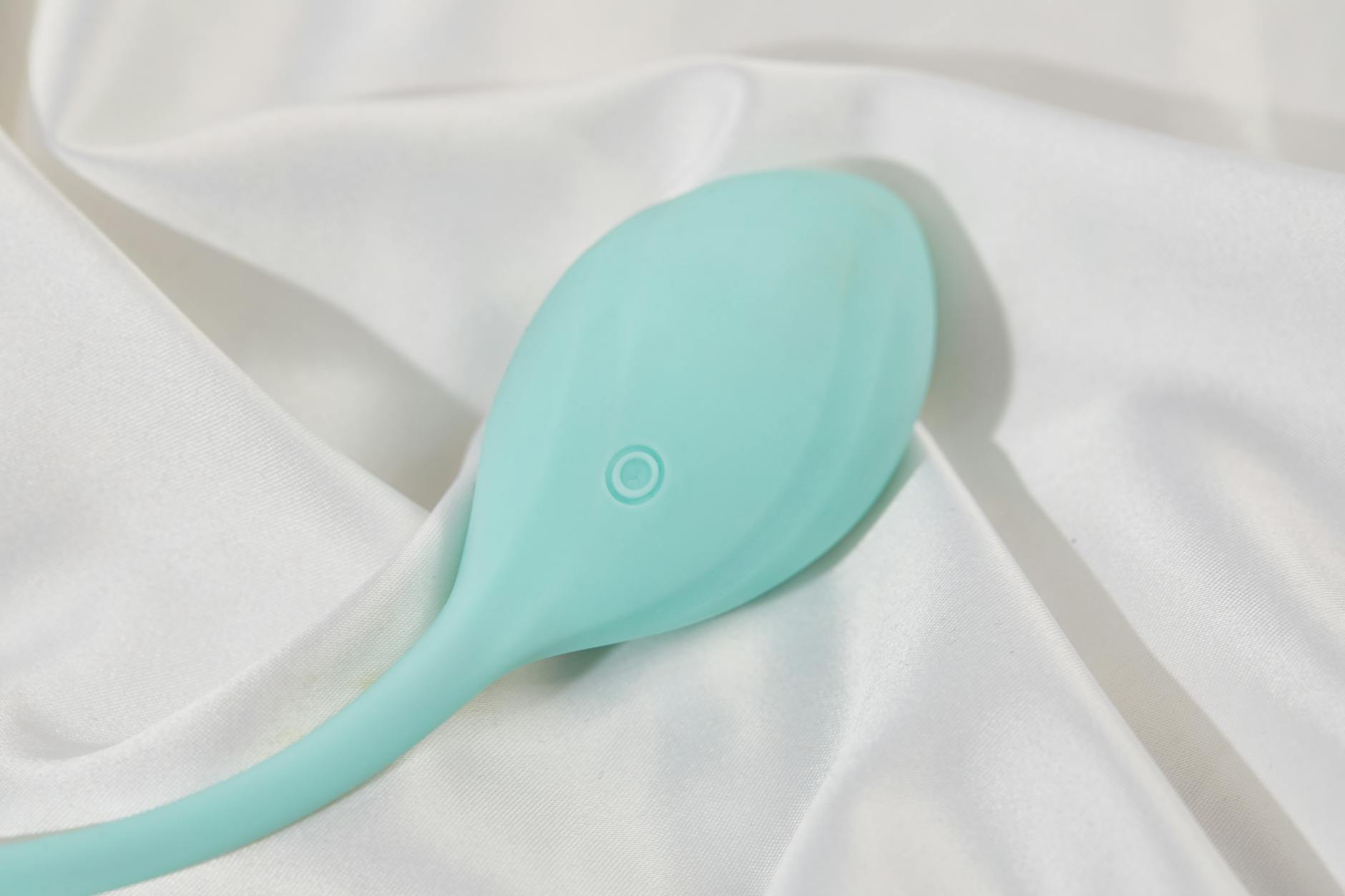
This is where the lemon clitoral vibrator enters the picture. Unlike traditional vibrators that use conventional buzzing, lemon suckers use gentle, repetitive suction patterns. This matters for antidepressant-induced numbness in ways that standard vibration alone can't touch.
The clitoris has about 8,000 nerve endings concentrated in a tiny area. Under normal circumstances, a lot of those are firing at once. Antidepressants mute that signal. A suction-based approach works differently. Instead of vibrating against tissue, it creates a gentle pulling sensation that stimulates deeper nerve clusters. For people whose sensation has been dampened by medication, this gentler, more targeted approach often feels more present and more achievable than a standard vibrator.
Honestly, it's the difference between trying to hear a whisper across a loud room and someone leaning in close to your ear. The stimulation is more concentrated, more direct.
Many of my clients who've used lemon vibrators while on antidepressants report that they can feel the difference almost immediately. Not dramatic sensation, not yet. But a baseline sense of "oh, something's happening" that wasn't there before.
The practical steps that actually help
If you're rebuilding sensitivity while on antidepressants, these concrete strategies matter more than willpower.
Start with a longer warm-up window. Budget 20 to 30 minutes before any clitoral stimulation. This gives your nervous system time to shift into arousal mode, even if the medication has slowed the process. Use a water-based lubricant, even if your body doesn't need it for comfort. Lubrication reduces friction and lets you access sensation more easily. Set realistic expectations about what you'll feel. Your first session might not produce an orgasm. It might just produce awareness. That's still progress.
When you use a lemon vibrator or other clitoral suction device, start at the lowest setting. Pattern 1 or 2 on most devices. Let your body adjust to the sensation. Gradually build intensity as your sensitivity returns. And be patient with yourself. Rebuilding sensation takes weeks sometimes, not days. The fact that you're trying at all is the win.
What's happening in your relationship during this time
If you have a partner, this conversation gets more complicated. They might think your reduced desire is about them. You might think it's about the relationship. Both of you might be grieving the sex life you had before the medication.
Here's what I tell couples in this situation: separate the two problems. Your medication is one issue. Your relationship and your intimacy desires are another. Confusing them turns both conversations into dead ends. You might need to rebuild your sex life entirely, not because the relationship broke, but because your nervous system changed and you both need new skills.
Some of the most connected couples I work with have gone through this exact transition. They came out the other side with better communication, more curiosity about pleasure, and a deeper understanding of each other's bodies. It's not romantic. It's just work. But the work is worth it.
When to expect improvement
This depends on a few factors. If you adjust your medication dose, changes often happen within two to three weeks. If you switch medications, it can take four to six weeks for your body to adjust and for sensation to return. If you're staying on the same medication and rebuilding sensitivity through exploration and tools, you're looking at a longer timeline. Two to three months of consistent practice is typical.
The key word is consistent. Using a lemon vibrator once every two weeks won't rebuild much. Touching your body intentionally, with attention, two or three times a week does. Your nervous system learns through repetition.
The mind piece you can't skip
Here's what complicates everything: the longer you go without sensation, the more anxious you become about whether sensation will ever return. That anxiety itself is a numbing agent. Your nervous system tightens up. Your pelvic floor clenches. You become hyperaware of the fact that you're not feeling anything, which paradoxically makes it harder to feel.
Breaking this cycle requires something like mindfulness, but I hate calling it that. I mean: touching your body without a goal. Without waiting for an orgasm or checking whether sensation is back yet. Just noticing what you do feel, even if it's small. Even if it's just pressure without pleasure. The nervous system learns through gentle attention, not through pushing.
Medication side effects are not shameful
You took an antidepressant because your mental health needed it. That was the right call. Sexual numbness is a known consequence. That doesn't mean you have to accept it forever, but it does mean you're not broken and neither is your body. Your nervous system is doing its job. It just needs help waking back up.
Lemon clitoral vibrators, longer warm-up time, intentional exploration, and conversations with your doctor are all tools that help that process. Some people need all of them. Some need just a few. Either way, sensitivity and pleasure are often within reach, even while you're on medication.
Your desire is worth rebuilding. Your body deserves attention. And it's absolutely possible to have both mental health stability and a functioning, pleasurable sex life. You don't have to choose.
People also ask
Do antidepressants permanently damage sexual sensitivity?
No. Sexual side effects from antidepressants are usually reversible. If you adjust your medication dose or switch to a different antidepressant, sensation typically returns within weeks to months. Even if you stay on the same medication, sensitivity can be rebuilt through intentional exploration and tools like lemon vibrators. The changes are real, but they're not permanent.
How long does it take to regain sensation after antidepressants?
It depends on whether you're changing the medication or staying on it. If your doctor adjusts your dose or switches you to a medication with fewer sexual side effects, you might notice changes within two to three weeks. If you're staying on the same medication and rebuilding through practice, expect two to three months of consistent exploration before significant improvement. The timeline varies by person, medication, and dose.
Can I use a lemon vibrator while taking antidepressants?
Yes, absolutely. Lemon vibrators and other clitoral suction devices are specifically helpful for people whose sensation has been dampened by medication. The gentler suction-based stimulation often works better than traditional vibrators for rebuilt sensitivity. Start at the lowest setting and work your way up as your body adjusts.
Should I tell my partner I'm using a vibrator to rebuild sensation?
If you have a partner, honesty helps. You might frame it as "I'm working on rebuilding sensation while my body adjusts to this medication, and this tool helps." Some couples explore together. Others give each other space. What matters is that both of you understand what's happening and why, so you're not misinterpreting changes in desire or response as relationship problems.
What if I switch antidepressants and sensation still doesn't return?
A few possibilities. First, it might just take longer than expected. Rebuilding sensation is sometimes a slow process. Second, your new medication might also affect arousal, just differently. Third, if you've been numb for a long time, your nervous system might have learned to stay quiet. In this case, intentional, consistent exploration with tools like lemon vibrators helps retrain your body. If nothing is working after several months, talk to your doctor about whether additional medical evaluation or referral to a sex therapist might help.
Is it normal to feel no desire for sex while on antidepressants?
Yes, it's very common. Reduced desire is one of the most frequent sexual side effects of antidepressants. It's not a personal failure and it's not about your relationship. It's a pharmacological effect. The good news is that it's also one of the most addressable side effects. Your doctor can adjust your dose, switch your medication, or add a complementary medication that boosts sexual function. Plus, rebuilding desire often follows rebuilding physical sensation, so using tools and giving yourself intentional attention can help.
What comes next
If you're navigating antidepressant-related numbness, you're not alone, and you don't have to accept it as permanent. Reach out to your prescriber about options. Explore your body with patience and without pressure. Consider tools like lemon vibrators that are designed specifically for restored sensitivity. And if you have a partner, keep talking. The conversation is just as important as the sensation.
Your mental health and your sexual pleasure are not opposing forces. You can have both. It just takes intention, patience, and sometimes the right tools.