
Let's talk about the thing nobody mentions
Pregnancy and postpartum sex is complicated. Not because desire disappears (though it can), but because your body is genuinely a different ecosystem from month to month. What felt amazing at 16 weeks might feel overwhelming at 28. What worked brilliantly two weeks postpartum might feel off-limits six weeks later. Most people don't understand this is normal, and more importantly, it's navigable.
Here's what actually happens, why lemon sexual toys like the lemon clitoral vibrator become so useful during these phases, and how to stay connected to your own pleasure when everything feels foreign.
What pregnancy does to sensitivity and arousal
During pregnancy, blood flow to the pelvic area increases dramatically. This sounds good. It is and it isn't. More blood flow can intensify sensation, which some people love. But it also means tissues swell, the clitoris becomes more sensitive (sometimes hypersensitive), and what felt like a medium-strength sensation at baseline might feel overwhelming.
Hormone levels surge. Estrogen and progesterone don't just affect mood. They change how the nervous system processes touch. Your clitoris becomes engorged earlier in arousal, but the pathway to orgasm sometimes becomes harder to find, not easier. Lubrication increases, but so does the risk of yeast infections and bacterial vaginosis, which make touch uncomfortable.
The psychological load matters too. Your body is doing something monumental. The mental space you're operating in isn't the same as pre-pregnancy headspace. Even if desire is high, the cognitive bandwidth is lower.
Why lemon vibrators work through these changes
This is where the lemon clitoral vibrator's design becomes genuinely useful. Air-suction stimulation doesn't depend on pressure the way traditional vibrators do. When your tissues are already swollen and sensitive, the gentler suction pattern feels more like invitation than demand.
You control the intensity in smaller increments. Most lemon vibrators offer 5-10 distinct settings. That matters when your tolerance shifts week to week. You're not stuck choosing between too-soft and too-strong. The variability lets you meet yourself where you actually are.
The external-only design is another win. During pregnancy especially, anything inserted can feel invasive or uncomfortable. A lemon clitoral vibrator stays where you want it, doesn't go deeper than you consent to, and respects the nervous system's changing boundaries.
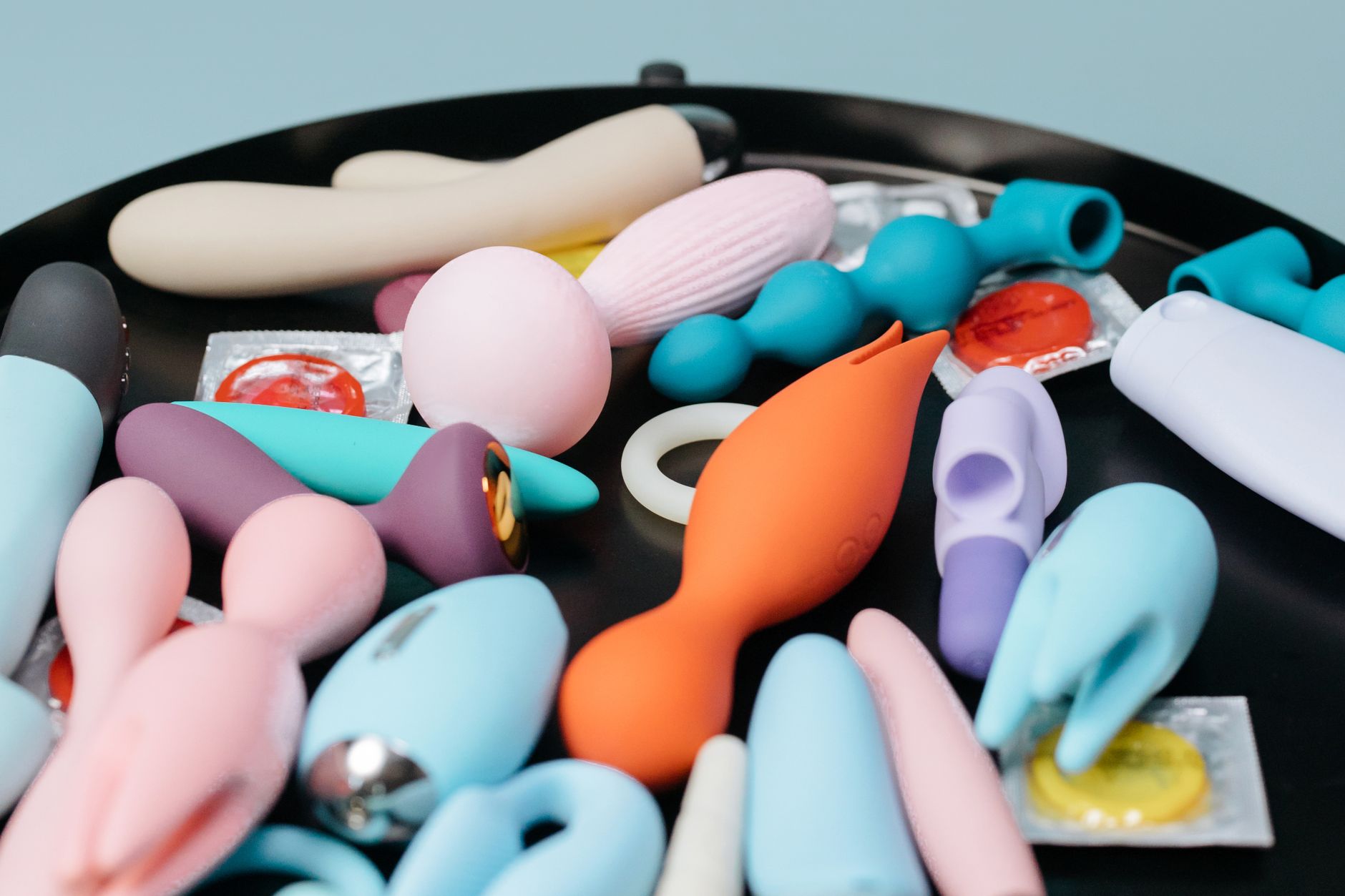
Photo by cottonbro studio on Pexels
The postpartum reset
After delivery, everything shifts again. If you delivered vaginally, the perineum is healing. Even if everything "healed well," the tissue is different. Nerve endings took a beating. Scar tissue, even microscopic, changes sensation. Cesarean delivery bypasses that trauma, but you've still got a major abdominal wound healing and hormones that just cliff-dived.
Then there's the lochia phase. You're bleeding for weeks. That's not a barrier to pleasure if you want pleasure, but it does change the sensory landscape and adds logistical friction.
Breastfeeding (if you're doing it) floods your body with oxytocin, which drives bonding but can weirdly suppress sexual arousal in those early weeks. Your prolactin levels are elevated, which tanks estrogen. Estrogen is your tissue's best friend. Lower estrogen means drier, thinner tissue. This is the same shift you'd experience approaching menopause, except it arrived in six weeks instead of six years.
Sleeplessness compounds everything. You're not having an orgasm deficit because you've lost capacity. You're struggling because your nervous system is running on fumes.
What postpartum pleasure actually requires
Three things matter more than the toy:
1. Time and permission. Touch your own body without a goal. Not to orgasm. Just to remember what sensation feels like. A lemon clitoral vibrator is genuinely good for this because you can play with patterns and intensity without pressure. Solo exploration takes the performance element off partnered sex.
2. Pelvic floor knowledge. Kegels are often pitched as the golden ticket. They're useful, but only if you're not already holding tension in that area, which most postpartum people are. Learning to relax your pelvic floor matters as much as strengthening it. Gentle breathing, warm baths, and being curious about your own anatomy helps more than clenching.
3. Information about what's actually healing. You need to know whether penetration is safe. That's a conversation with a pelvic floor physical therapist or your OB, not a guessing game. Once you know it's safe, external stimulation like a lemon clitoral vibrator is almost always lower-risk than anything inserted.
Communicating this with a partner
If you're in a partnership, the most useful thing you can do is separate the conversation about your body from the conversation about your relationship. "I'm not interested in sex right now" is different from "I don't want you." Conflating the two creates resentment on both sides.
Make space for what you DO want, even if it's not what you wanted before. Some postpartum people discover that external-only stimulation, solo or partnered, is what actually lights them up. Others find that their desire is genuinely absent for six months or a year, and that's not broken. It's biological and temporary.
If your partner is struggling with the shift, that's real too. But it's their work to process, not your job to perform through it. You're healing. That comes first.
When to check in with a provider
If sex is painful, tell someone. Post-delivery dyspareunia is real and fixable. If desire has completely vanished by six months postpartum and you're distressed about it, mention it. Postpartum depression and postpartum anxiety both affect libido, and both are treatable.
If you're having spontaneous orgasms or involuntary muscle contractions (which some postpartum people experience), that's usually harmless but worth mentioning at your six-week checkup.
Most importantly, you don't need to push yourself back to pre-pregnancy sexuality on anyone's timeline but your own. Your body did something enormous. It deserves patience.
The middle ground: pleasure during pregnancy and postpartum
You can have pleasure during these phases. It might look different. It might arrive in smaller moments. It might be quieter, more about sensation than intensity. Many people discover that pregnancy and early postpartum are actually when they first prioritize their own touch, their own body, their own experience without performing. That's not a consolation prize. That's a doorway.
A lemon clitoral vibrator fits well into that space because it meets you where you are, scales with you week to week, and asks nothing but your consent. Your pleasure matters now, and later, and always. Not because you have to earn it back. Because you deserve it.