Here's what nobody tells you about hormonal birth control and pleasure
You went on the pill, the patch, the implant, or the shot to prevent pregnancy. It worked. But somewhere around month three or six, you noticed something else disappeared too: arousal. Not the idea of wanting sex, but the actual physical response. The warmth. The ease of getting there. That reflexive tingle that used to happen without trying.
This is real. It's not in your head, and it's not because you've stopped loving your partner.
Hormonal contraceptives work by suppressing ovulation, which means they suppress the hormone fluctuations that drive the arousal cycle. Less estrogen. Less testosterone (the hormone that fuels desire in all bodies). A muted sexual response system. Some people adjust within a few months. Others don't. And for those people, the frustration is real: effective birth control that quietly kills your sex drive.
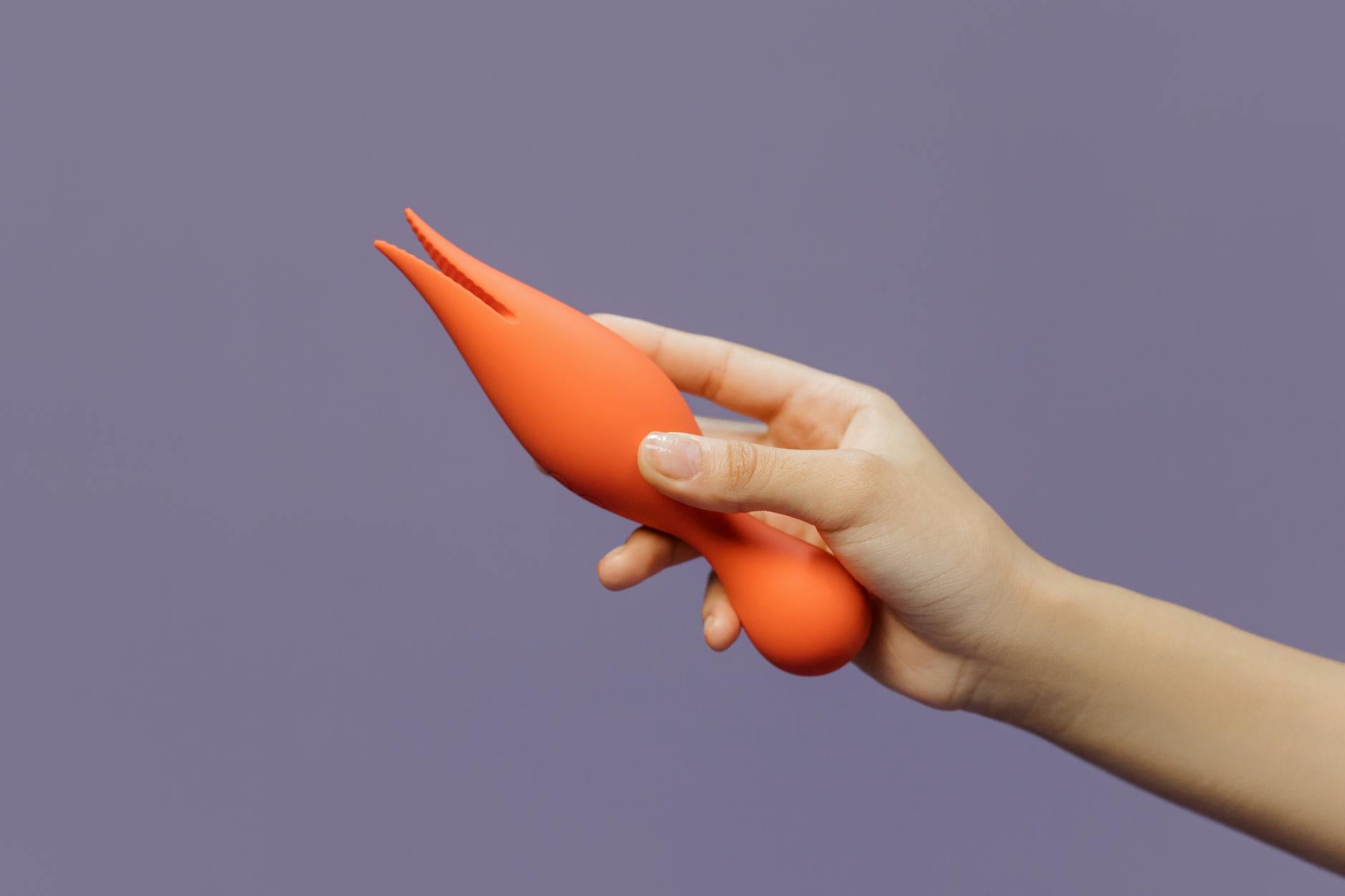
Here's the good news. Once you understand what's actually happening physiologically, there are concrete, evidence-based tools to rewaken sensation. A lemon vibrator, specifically a clitoral suction device like the Lem, is one of the most effective ones.
Why hormonal contraceptives dull arousal
The mechanism is straightforward. Hormonal birth control maintains steady, low levels of estrogen and progestin (or in some cases, progestin alone). In a natural cycle, estrogen peaks before ovulation, priming your nervous system for arousal. That neurological readiness is absent on hormonal contraception.
Testosterone is the second lever. People with ovaries produce about 150 to 300 micrograms of testosterone daily. The majority is bound to sex hormone-binding globulin (SHBG). Hormonal contraceptives increase SHBG, which binds testosterone and makes less of it available to your tissues. Available testosterone is what creates spontaneous desire, genital sensitivity, and the ease of orgasm.
The third factor is vascular. Arousal requires blood flow to the clitoris and vulva. Hormonal contraceptives can reduce pelvic blood flow, which means less engorgement and less sensitivity to touch.
The result: you need more stimulation to feel the same thing. What used to work doesn't. Orgasms take longer to reach, if they arrive at all. And the mental load of frustrated arousal often kills desire entirely.
Why lemon clitoral vibrators work better than other tools
When sensitivity is dampened, standard vibrators become less effective. They deliver vibration through friction. If your tissues are less engorged and less responsive, that friction doesn't translate into pleasure the same way.
A lemon sexual toy like the Lem works differently. It uses air-suction technology, which creates a gentle pulse that stimulates the clitoris without relying on direct friction. This matters enormously for hormonally dampened sensitivity because suction activates a different neural pathway than vibration alone.
Here's the specific advantage: suction engages the entire clitoral structure, not just the surface. It creates a gentle pulling sensation that mimics the rhythm of oral stimulation. For people whose clitoral sensitivity has been blunted by hormonal contraceptives, this feels like permission for the body to wake up again.
Lemon vibrators are also customizable. You can start at pattern one (barely-there suction) and gradually increase intensity as your sensitivity returns. With a traditional vibrator, the options are often just "off" and "uncomfortably intense."
The recalibration phase: what to expect
When you first start using a lemon vibrator after months on hormonal contraception, you might not feel much. This is normal. Your clitoral tissues are less engorged. Your nervous system has adapted to lower arousal signals. This isn't permanent, but it does mean you can't expect results on day one.
The recalibration typically takes two to four weeks of regular use. Most people find that using a lemon sucker three to four times a week works best. You're not trying to have an orgasm on schedule. You're waking up nerve endings and re-establishing the arousal pathway.
Week one: You might feel gentle sensations, or almost nothing. This is the baseline.
Week two: More awareness. The suction pattern becomes clearer. You notice variations in sensation.
Week three: Actual pleasure starts arriving. Your body remembers what arousal feels like.
Week four and beyond: Orgasms return, often easier than they were before you started hormonal contraception. The sensitivity keeps building.
This isn't magic. It's physiology. You're using a specific stimulus to train your nervous system to respond again.
Practical steps to get results faster
Four things maximize the odds that your lemon vibrator will work:
Warm up first. Don't jump straight to the device. Spend ten to fifteen minutes on foreplay, fantasies, or whatever typically arouses you. You need blood flow to the clitoris before you add stimulation. This is especially important when sensitivity is low.
Start at the lowest setting. Pattern one on the Lem is not a tease. It's the therapeutic dose. Many people skip it thinking they need intensity. You don't. You need consistency and time.
Use water-based lubricant. Hormonal contraceptives can reduce natural lubrication too. A good water-based lube reduces friction and helps the suction sensation feel smoother. It also signals to your body that something pleasurable is happening.
Be patient with the timeline. Rewaking arousal after it's been suppressed is not instant. If you use a lemon clitoral vibrator for three days and feel nothing, that's not failure. That's week one of a process that usually takes three to four weeks. Trust the science.
When to switch contraceptives vs. when to keep going
If the arousal dampening is severe enough to affect your quality of life or your relationship, switching methods is a valid choice. Non-hormonal options (copper IUD, condoms, FAM) don't suppress your endocrine system. Some people notice arousal return within days of stopping hormonal contraception.
But for many people, the pill or implant is the right choice for other reasons: consistency, ease, comfort. In those cases, using a lemon vibrator to recalibrate sensitivity is not a workaround for a broken system. It's a tool that helps your body adapt to a hormonal environment that's chemically different from the one it evolved in.
I've worked with many people in relationships who chose to stay on hormonal contraception and also invest in tools like the Lem to rebuild arousal. It works. It requires intention, but it works.
The bigger picture: birth control and agency
Neither option is "correct." The point is that you get to decide. You deserve to know that hormonal birth control affects arousal. You deserve access to tools that help. And you deserve a partner or self who's willing to work with your body instead of against it.
Using a lemon sexual toy isn't cheating or compensating for a bad relationship. It's taking responsibility for your own pleasure when hormonal contraception has made that harder. That's not compromise. That's self-advocacy.
If you're on hormonal contraception and your arousal has flatlined, a lemon vibrator won't solve everything. But it's one of the most evidence-based ways to rebuild clitoral sensitivity and reconnect with the pleasure response that medication has muted. Give it time. Your body remembers.
FAQ: Lemon vibrators and hormonal sensitivity
Can a lemon vibrator restore arousal if I'm still on hormonal birth control?
Yes. A lemon clitoral vibrator like the Lem can help rewaken sensitivity even while you're on contraception. The suction mechanism works differently than traditional vibration, which is why many people find it more effective when arousal is dampened. However, you're working with reduced baseline hormones, so results typically take three to four weeks of consistent use rather than days.
How long does it take to feel normal arousal again after stopping hormonal contraceptives?
This varies widely. Some people notice arousal returning within days or weeks. Others take two to three months for full hormonal rebalancing. A lemon vibrator can help during this transition by providing external stimulation while your body's own arousal system recalibrates. After you stop contraception, many people find they need less external help, though some continue using a lem vibrator because it just feels good.
Is it normal that orgasms stopped when I started birth control?
Completely normal. Hormonal contraceptives suppress the hormone fluctuations that fuel arousal and orgasm. You're not broken, and neither is your relationship. It's a predictable physiological response to a sustained change in hormone levels. A lemon sexual toy can help you work around this while you're on contraception, or you can explore switching methods. Both are valid choices.
Can I use a lemon vibrator with a partner to rebuild arousal?
Absolutely. Many couples use a lemon clitoral vibrator together as part of foreplay. The advantage is that it removes pressure from either partner to "do the right thing." A device does the stimulation while you both focus on connection. This often helps people relax, which itself improves arousal.
Does using a vibrator make it harder to orgasm with a partner?
No, but this is a common worry. Using a lemon vibrator to rebuild sensitivity doesn't train your body to need a device for orgasms. It retrains your nervous system to respond to stimulation when hormones have dulled that response. Once sensitivity returns, many people find they're actually more responsive to partner touch, not less. The vibrator is a bridge, not a permanent requirement.
What if I use a lemon vibrator for four weeks and feel nothing?
If you're truly feeling zero sensation after a month of consistent use, check three things: First, are you warming up before using it? Second, are you starting at pattern one instead of jumping to higher intensities? Third, has your hormonal contraceptive changed or gotten stronger recently? If all three are optimized and you still feel nothing, the issue might not be contraceptive-related. A gynecologist can help rule out other causes of decreased sensitivity, like certain medications or thyroid issues. This is worth investigating because it's fixable.
The path forward
Hormonal birth control is an enormous gift. It gives you control over your own body and future. And it comes with a cost that nobody warns you about: sometimes, quieter arousal.
That's not a reason to stop using contraception if it's right for you. It's a reason to know the trade-off, understand the mechanism, and have tools in your corner that work. A lemon vibrator is one of the most effective ones.
Your pleasure matters, even when your hormones are being managed chemically. Even when getting there takes more intention than it used to. Even when you need a device to help your body remember what it feels like to respond. You deserve to feel good, and you deserve to have that be possible while you're protected.