How to Use Lemon Vibrators When You Have Low Libido From Relationship Stress
Let's be real. When your relationship is under strain, sex becomes the first casualty. Not because you don't love your partner. Not because you're broken. But because stress hijacks your nervous system, and your body goes into self-protection mode.
Here's the thing nobody tells you: using a lemon clitoral vibrator during a rough patch isn't about "fixing" low libido. It's about giving your body permission to feel good on its own terms, without the weight of relationship tension sitting on top of it.
That matters. More than you might think.
Why stress kills desire before anything else
When you're fighting about money, feeling unheard, or navigating a major life transition together, your brain floods with cortisol. That stress hormone is designed to keep you alert for threat. It's not designed to make you want to take your clothes off.
Your nervous system can't simultaneously be in fight-or-flight mode and arousal mode. They're competing systems. One takes priority, and during relationship tension, arousal loses every single time.
But here's what gets missed: low desire during stress isn't a sign that your libido is gone. It's a sign that your nervous system needs to downshift first.

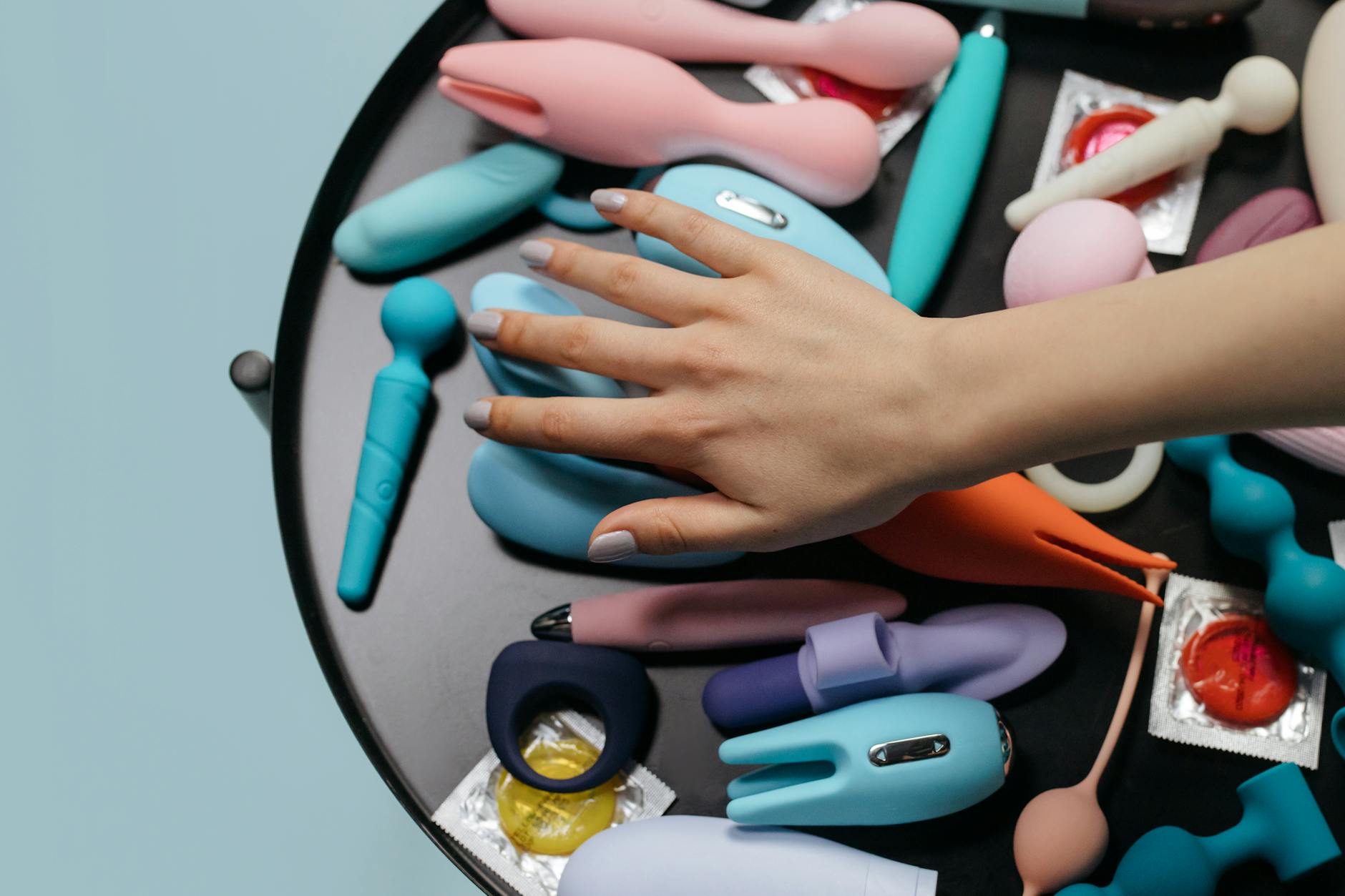
Photo by Diana ✨ on Pexels
Why lemon vibrators work better when desire is fragile
Lemon sucker technology like the Lemon Wand uses air-pulse stimulation instead of traditional vibration. That matters when you're stressed because air-pulse doesn't require the same kind of mental focus that vibration does. Your nervous system can relax into the sensation instead of having to manage intensity.
When you're stressed, your clitoris often feels less responsive. Not because you're aging or something's wrong with you. Because cortisol literally dampens arousal signals at the nerve level. A lemon clitoral vibrator's gentler suction approach works with that tension instead of fighting it.
The other part that helps: it's yours alone. You're not performing for anyone. You're not managing your partner's expectations or worrying about timing. You're just reconnecting with your own body's capacity for pleasure. That mental permission shift is half the battle.
Start small and private
When relationship stress has killed your libido, the worst thing you can do is pressure yourself to have sex. The second-worst thing is to make solo pleasure feel like an obligation.
Instead, give yourself 10 minutes alone. No agenda. No pressure to come. No timeline. Start with the lowest setting on your lemon vibrator. Some people find that the gentlest pulse alone is enough to shift their nervous system out of stress mode. You're not trying to achieve orgasm. You're trying to remember what pleasure feels like.
This matters because stress-induced low libido often comes with a side of disconnection from your own body. You've been managing the relationship, the tension, the unspoken stuff. Your body's been treated like an afterthought. Spending 10 minutes with a lemon clitoral vibrator reconnects you to the basic fact that your pleasure still exists, separate from your relationship.
Do this a few times before you think about partnered sex. There's no rush.
Build capacity before you build connection
Once you've reconnected with solo pleasure, you can start thinking about what feels possible with your partner. And here's the honest part: you might not be ready to have sex yet. You might still be in the rebuild phase.
That's okay. Lemon vibrators work well in that middle zone. You can use one alone while your partner is present but not directly involved. Some couples find that watching each other with a toy breaks the ice better than trying to have sex. It removes the performance pressure. It lets both partners see that pleasure can happen without everything being tied to the relationship tension.
Other couples find that using a lemon sucker together, with your partner helping set the pace or choosing the intensity, helps rebuild intimacy without the full weight of sex. You're touching, you're focused on each other, but there's less pressure because the vibrator is doing some of the emotional labor.
This is where individual desire and relational connection start to reconnect. Slowly.
The conversation that has to happen separately
Using a lemon vibrator is not a substitute for addressing the actual relationship problem. Low libido from stress is your body's way of saying something needs to change. Sometimes that's communication. Sometimes it's setting boundaries. Sometimes it's deciding whether you actually want to be in the relationship.
If you're using a lemon clitoral vibrator to reconnect with pleasure, that's genuinely helpful. But do that work separately from the conversation about what's actually wrong in the relationship. Don't let "I'm using a toy and feeling better" become a reason to avoid saying "We need to talk about what happened" or "I don't feel heard."
A lemon vibrator can help your nervous system downshift. It can't fix communication problems. Your partner's behavior is not your responsibility to manage with better orgasms.
When low libido is your signal to leave
Sometimes low desire is your body saying the relationship itself is the problem. Not stress. Not hormones. The relationship.
If you're using a lemon vibrator to reconnect with pleasure alone, but the thought of being intimate with your partner feels genuinely repulsive or numb, that's information. That might mean this relationship isn't right for you. Or it might mean you need real couples work with a therapist. Either way, the low libido is doing its job. It's signaling that something needs to shift.
Don't confuse reconnecting with your own pleasure with deciding to stay in a relationship that's not working. Those are two separate things.
Moving forward when stress eases
Once you've started rebuilding your nervous system capacity, and once the actual relationship issues are being addressed (whether that's through conversations, therapy, or a decision to end things), desire often returns. Not immediately. But gradually.
When it does, lemon clitoral vibrators are still useful. You understand your body's signals better now. You've spent time with what actually feels good to you. You know the patterns of your own arousal without the relationship noise on top of it.
Your partner benefits too. They've seen you prioritize your own pleasure. They've learned that sex isn't something that happens to you when the relationship is running smoothly. It's something you actively choose, and that choice requires your nervous system to feel safe.
That's a healthier foundation for long-term desire than anything stress can destroy.
FAQ: Low Libido, Stress, and Reconnecting With Pleasure
How long does it take for libido to come back after relationship stress?
It depends entirely on the stress. If it's situational (you're in a rough patch but working on it together), desire often starts returning within 2-4 weeks of the tension easing. If the stress is ongoing or the relationship issue is unresolved, it won't. Your body is protecting itself. The timeline doesn't matter as much as knowing that desire doesn't return until the nervous system believes it's safe.
Is it normal to feel nothing when using a vibrator during relationship stress?
Completely normal. Stress can numb arousal signals. If you're feeling disconnected, start with the absolute lowest setting on a lemon vibrator and just notice sensation without expecting arousal. Some people need to use toys for several sessions before desire actually shows up. You're rebuilding a connection, not forcing one.
Can my partner feel bad if I use a Lemon Wand alone while stressed about our relationship?
Maybe, depending on the partner. That's why the conversation matters. "I'm using this to reconnect with my own body and my own pleasure, separate from us" is different from using it as avoidance. If your partner feels rejected, that's real and worth discussing. But prioritizing your nervous system's health isn't wrong. It's necessary.
Does low libido from relationship stress mean the relationship is over?
Not necessarily. Low desire can be a signal to change something (communication, boundaries, therapy), or it can be a signal to leave. It's information, not a diagnosis. Pay attention to whether you want to fix things or whether the relationship itself feels wrong. Those are different questions.
Should I tell my partner I'm using a lemon clitoral vibrator?
That's your call. Some couples benefit from transparency. Some find it helpful to rebuild solo pleasure privately first, then introduce the idea of toys later when desire is returning. There's no one right answer. But if secrecy feels necessary because your partner is controlling or judgmental, that's worth noting about the relationship itself.
Can a lemon vibrator help if I've lost interest in sex entirely?
It can help you reconnect with physical sensation, which is often the first step. But if you've lost interest in sex with your partner specifically (not just sex in general), a vibrator won't fix that. That's a relationship signal, not a libido problem. Worth exploring with a therapist or a honest conversation about what's actually missing.
The real reset
Low libido from relationship stress is your body's way of protecting itself. It's not a bug. It's a feature. A lemon clitoral vibrator can help you reconnect with your own pleasure during that difficult time, but it's not a substitute for addressing what's actually wrong.
The best use of a lemon vibrator when stress has killed your desire is to give yourself permission to feel good separately from your relationship. To remember that your pleasure exists independently. To reset your nervous system so you can actually think clearly about what you want next.
That might be a rebuilt relationship. That might be a partnership transformed. Or that might be clarity that it's time to go. But you can't figure any of that out when your body is locked in stress mode.
Start there. Reconnect with yourself. Then decide what's next.
If you're navigating relationship strain and need support, we're here to help.