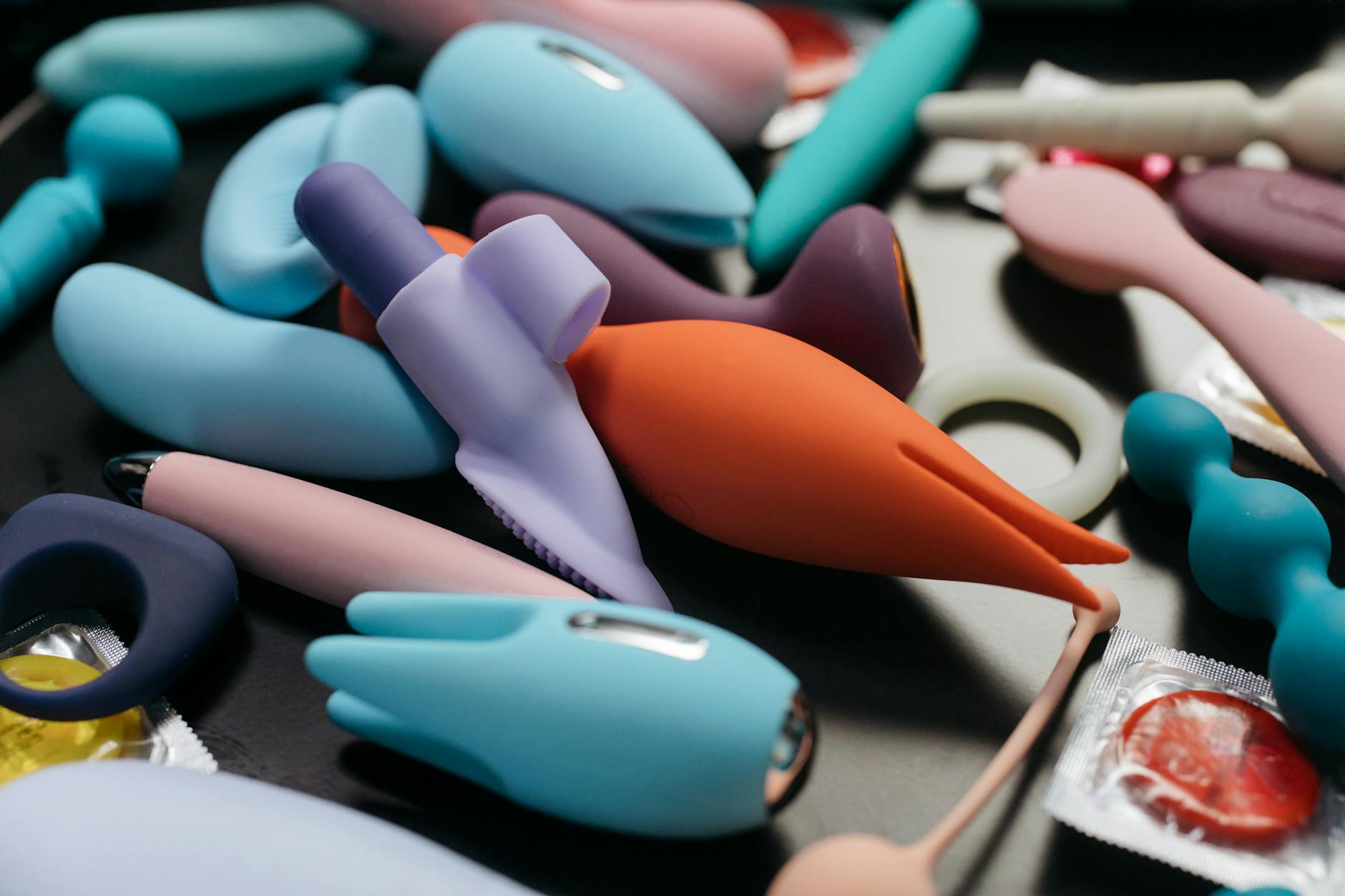
Let's be honest about the pain part
Penetration hurts sometimes. For some people, it hurts most times. And here's what nobody tells you cleanly: penetration is not the only route to great sex. It's barely the only route to intense orgasm. But our culture treats it like it's the default, the real thing, the main event. So when it hurts, it feels like your body has failed you. It hasn't.
If you've been avoiding sex because penetration is painful, or if you've been pushing through pain because you thought that's what you were supposed to do, this post is for you. I'm going to walk you through how lemon vibrators and clitoral stimulation can become your actual primary pleasure, not a consolation prize.
Why penetration pain happens (and why it's worth addressing)
Penetration pain has multiple causes. Some are straightforward. Some are complex. Vaginismus (involuntary pelvic floor tension) can make penetration feel impossible. Endometriosis, pelvic inflammatory disease, or vulvodynia (unexplained chronic vulvar pain) can make it genuinely hurt. Hormonal shifts after pregnancy, menopause, or hormonal birth control can thin vaginal tissue. Medications like antihistamines or antidepressants can reduce lubrication. Scar tissue from surgery or childbirth can change what feels okay.
Some pain is psychological. Trauma, anxiety, or a history of painful sex can create tension that makes penetration more painful, which makes you tense up more, which makes it hurt more. That's not in your head. That's your nervous system protecting you.
What matters: pain is information. If penetration hurts, something is wrong. Whether that's physiological, psychological, or both, it deserves attention from a pelvic floor specialist, a sex-informed therapist, or a gynecologist who takes this seriously. But it also deserves an immediate practical solution. And that solution looks like shifting your focus entirely.
The clitoral vibrator shift
Here's what I see happen in my practice: people with penetration pain often believe they've lost their capacity for pleasure. They haven't. They've lost access to one particular route. The clitoris has roughly 8,000 nerve endings concentrated in an area the size of a pea. Penetration is friction-based and requires the vagina to be comfortable with pressure and movement. Clitoral stimulation is precision-targeted and independent of penetration entirely.
Lemon clitoral vibrators work differently than wand vibrators or traditional bullet vibrators. They use air-suction technology instead of vibration, which means they create a seal around the clitoris and pulse rather than shake. This matters when you have pain, because many people with penetration-related discomfort find that traditional vibration feels too intense or triggering on already-sensitive tissue.
The suction approach feels more like a sustained massage than a jackhammer. It builds sensation gradually. You control the intensity. And it requires zero penetration.
Building a pleasure practice that works for your body
Start with the right setup. You need privacy, time (at least 20 minutes), and zero pressure to reach a particular outcome. I say this because people with pain histories often have learned to rush through sex or perform it rather than feel it. Your nervous system needs permission to slow down.
Warm up without any toys first. Touch your body. Notice what feels good. For many people with penetration pain, the outside of the vulva, the inner thighs, and the lower belly are comfortable zones. Spend time there. You're not rushing to the clitoris. You're warming up the whole area.
When you introduce a lemon vibrator, start on the lowest setting. This is important. Many people make the mistake of jumping to high intensity because they expect numbness or assume they need more power to feel anything. With air-suction toys, low settings are often more effective than high ones. The sensation builds with consistency, not volume.
Position matters. Lying on your back with a pillow under your hips gives you stability and a comfortable angle. Some people prefer side-lying or sitting upright. The point is that your thighs and core aren't working. All your energy goes to sensation, not position maintenance.
Lubrication helps even though there's no penetration. It creates a better seal for the toy and prevents any friction discomfort on the external tissue. Water-based lube works fine and won't damage silicone toys.
What to expect in the early sessions
Your first time with a clitoral vibrator might feel weird. You might feel nothing. You might feel overstimulation. You might feel a building sensation that peaks and then drops. All of this is normal. Your body is learning what this feels like.
Many people with penetration pain also have a history of disconnection from their body. They've learned not to pay attention to sensation because sensation has meant discomfort. Rebuilding that connection takes practice. I often tell clients to think of these early sessions as learning, not performance.
If you feel nothing after 10 minutes, that's fine. Turn it off. Try again tomorrow. If you feel overstimulation or discomfort, move the toy slightly or lower the intensity. The clitoris is sensitive, and if your nervous system is in protection mode, intense sensation can feel threatening rather than pleasurable.
Most people report that by session three or four, something shifts. The sensation starts to feel more familiar. Your nervous system relaxes. The intensity that felt uncomfortable starts to feel interesting.
Expanding pleasure once you find your baseline
Once you've got a few sessions under your belt and you know what setting and rhythm feels good, you can start experimenting. Some people find that they want to build longer sessions, adding 10 minutes at a time. Some want to combine clitoral stimulation with external touch from a partner. Some want to bring fantasy or audio in. Some want to stay completely solo and internal.
If you have a partner, this is a moment to talk about what's changed. You're not doing this because they failed you. You're doing it because your body needs something specific. A partner's role here is support, not insertion. Many partners actually prefer this because it's clearer. Everyone knows exactly what's happening and why.
The goal is never to perform an orgasm. The goal is to have consistent, sustainable pleasure that doesn't involve pain. For some people that means orgasm every time. For others, it means sessions where you feel good and relaxed but don't necessarily climax. Both are success.
When to bring in professional support
If you're experiencing severe or chronic pain, see a pelvic floor physical therapist. They can rule out vaginismus, hypertonic pelvic floor (overactive muscles), or scar tissue restriction. These are all treatable. If you've experienced trauma, a sex-informed therapist who specializes in trauma can help you rebuild your relationship with pleasure safely.
If hormonal changes are contributing to pain, a gynecologist who takes this seriously can discuss options like vaginal estrogen creams, which have minimal systemic absorption and can restore tissue thickness in weeks.
Penetration pain is not something you have to live with or work around forever. But while you're addressing the root cause, clitoral vibrators give you access to pleasure now. That matters. Your body deserves sensation that feels good.
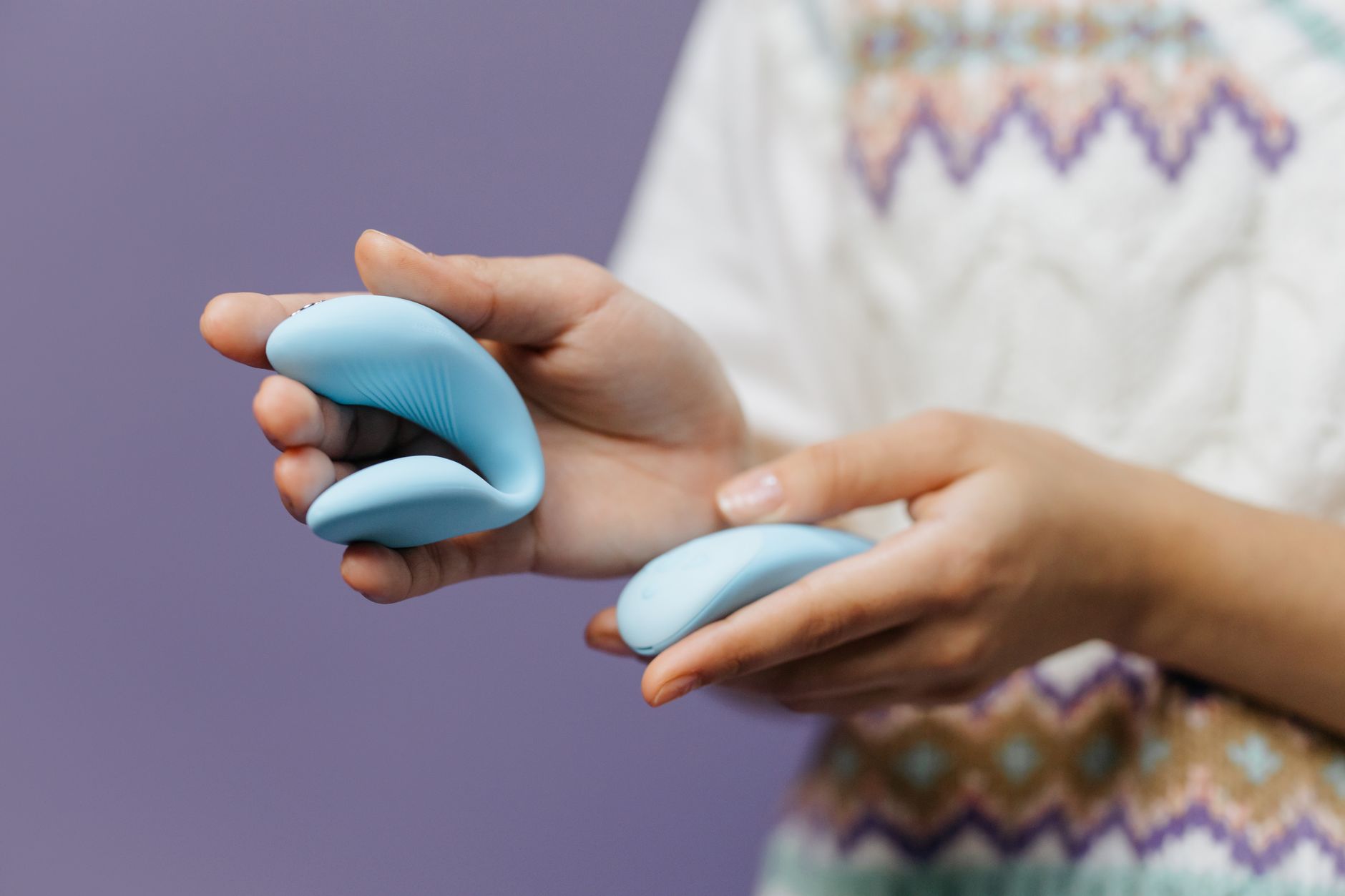
Photo by cottonbro studio on Pexels
The bigger picture
Here's something I want you to know: pleasure without penetration is not lesser pleasure. It's not a workaround or a second choice. For many people, clitoral stimulation is the most intense, most reliable orgasm they'll ever have. You're not settling. You're finding what actually works for your nervous system.
If you've been in a relationship where penetration pain has created tension or shame, this shift can actually rebuild intimacy. Because suddenly you're not performing or pushing through. You're communicating clearly about what you need. You're creating space for your partner to learn what you actually respond to. That's deeper than any specific sex act.
The right lemon vibrator can be the tool that makes this possible. But the real work is permission. Permission to skip what hurts. Permission to build pleasure on your own terms. Permission to believe that your body isn't broken just because one thing doesn't work.
FAQ: Clitoral vibrators and penetration pain
Can I use a clitoral vibrator if I have vaginismus?
Yes, absolutely. Since vaginismus involves involuntary pelvic floor tension triggered by the idea or sensation of penetration, clitoral stimulation that stays completely external is often the safest entry point. Lemon clitoral vibrators require no penetration, which means your pelvic floor muscles don't have a reason to contract. Many people with vaginismus use external clitoral vibrators while working with a pelvic floor therapist on the underlying tension. It's not a replacement for therapy, but it gives you access to pleasure while you heal.
What if I feel numb when I use the vibrator?
Numbness is common, especially if you've been avoiding sexual sensation for a while or if you have a history of disconnection. Your nervous system might be in protective mode. Start with shorter sessions (10 minutes), use the lowest settings, and be patient. Numbness often resolves in a few sessions once your body realizes the sensation is safe. If it persists beyond a month of consistent use, check in with a pelvic floor specialist. Some medications and hormonal changes can genuinely reduce sensitivity, but that's a separate conversation.
Is it weird to use a vibrator alone if I'm in a relationship?
Not at all. Many people use vibrators solo regardless of relationship status. If you have penetration pain, solo vibrator use is actually ideal because there's zero performance pressure and zero expectation of penetration. Your partner doesn't need to be involved in every part of your pleasure practice. That's healthy and normal.
How long before a clitoral vibrator helps with pain?
You might feel relief in your first session in the form of accessing pleasure without pain. But if you're asking about rebuilding your overall relationship with sex, that takes longer. Most people report that after three to four weeks of regular use, sex feels more accessible and less scary. After two to three months, many people have completely reframed what pleasure looks like for them. Be patient with yourself.
Can I use a lemon vibrator if I'm also taking pain medication?
Yes, but check with your doctor if you're on medications that affect sensation or arousal. Some antidepressants, antihistamines, and pain medications can reduce sensitivity, which means you might need to adjust your expectations or intensity levels. That's not a reason to avoid vibrators. It's just information about what your body might need.
What if my partner wants penetration and I don't?
That's a conversation, not a problem. If penetration causes you pain, your partner needs to understand that it's not a preference. It's a physical limitation. A caring partner would rather have you present and pleasured than pushing through pain. If you want to rebuild penetration eventually, that's a conversation for a therapist, not the bedroom. For now, your job is to heal. Their job is to support that.
The next step
Penetration pain has stolen enough from you. It's stolen the feeling that your body works, that pleasure is accessible, that sex is something you get to enjoy rather than something you endure.
Clitoral vibrators, and specifically lemon vibrators with their gentle suction approach, give that back. Not through some magical technology, but through a completely different route. One that doesn't require your body to do something it can't do right now.
If you're ready to rebuild pleasure on your own terms, reach out. We can talk through what might work for your specific situation. Your pleasure matters. And you deserve to have it without pain.