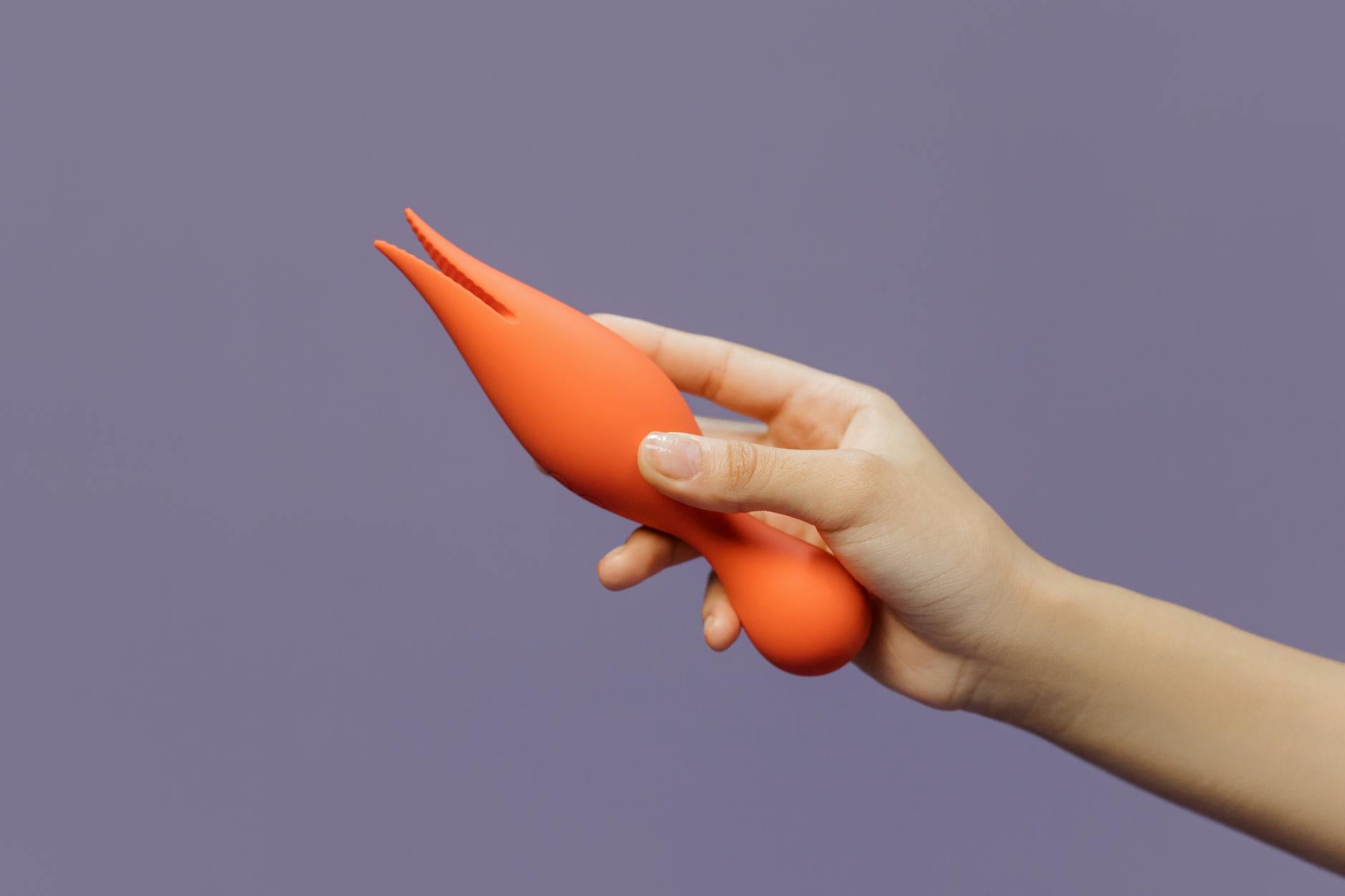
How to Use Lemon Vibrators if You're Starting Out in Your Thirties
Let's be real: you're not behind. If you're in your 30s and considering your first lemon clitoral vibrator, you're actually at one of the best possible moments to start. Your 30s bring something your 20s didn't always have: honest self-awareness, less anxiety about what you're supposed to want, and enough relationship experience (whether partnered or solo) to know what actually feels good versus what you thought should feel good.
Starting with lemon vibrators in your 30s isn't about catching up. It's about showing up.
Why your 30s is actually the right time to start
You know your body better now. That matters more than starting early. By your 30s, you've had time to figure out what touch works for you, what rhythm you respond to, and whether you need emotional connection to feel aroused. You've probably had conversations about pleasure that would've been awkward at 20. You might even know whether your partner is worth this vulnerability.
There's also less performance pressure. When you're younger, there's often this underlying anxiety about whether you're doing it right, whether you'll orgasm on cue, whether you're normal. Most people in their 30s have gotten bored with that question. You care less about being normal and more about what actually feels good.
That shift alone changes everything.
What to expect from your first lemon vibrator
Honestly? Surprise. Most people expect it to feel clinical or intense, and instead it feels intuitive. The concentrated stimulation from a lemon clitoral vibrator is different from fingers or a partner's mouth because it's consistent and hands-free. You're not managing someone else's rhythm or your own hand position. You can focus entirely on sensation.
The first time might not be an orgasm. That's completely normal and says nothing about whether the toy is right for you. Your body needs time to learn what this new sensation actually is. It's like listening to a song for the first time versus the tenth time. The tenth time hits different because your brain knows what's coming.
Give yourself at least three sessions before you decide whether it works for you. That sounds like a lot, but it's really not.
Setting yourself up for success on first use
Four things make the difference between "meh" and "oh, this is actually good":
Start with a clean mind. Not spiritual, just practical. Turn your phone off. Close the door. Tell your partner (if applicable) you need 20 minutes. Most people rush through their first experience because they're worried about being interrupted, and that anxiety kills everything.
Warm yourself up first. Spend 10-15 minutes on foreplay or solo touching before you introduce the lemon vibrator. Your body responds better when you're already aroused. The stimulation is designed to amplify what's already happening, not create arousal from scratch.
Use the lowest setting. If your lemon vibrator has adjustable intensity, start at pattern 1 or the gentlest option. You can always turn it up. You can't un-feel intensity that's too much. Many people make the mistake of going to level 3 on the first try, overwhelm their nerve endings, and conclude it's not for them. Start low.
Have lube nearby. Even if you're naturally lubricated, having water-based lube within arm's reach takes pressure off. You won't be wondering if things are wet enough. You can just apply a bit and relax.
Exploring sensation without the goal of orgasm
This is the biggest reframe for people starting out in their 30s: let go of the orgasm as the target. I know that sounds counterintuitive, but here's why it works. When you're focused on coming, you're not actually feeling what's happening. You're evaluating it. You're judging it. You're waiting for the payoff.
Instead, use your first few sessions to understand sensation. Notice the difference between patterns. Notice where on your clitoris feels best. Notice whether firm pressure or light pressure works better. Notice what rhythm your body wants to sync with.
Orgasms come later, usually once your body has stopped treating the vibrator as a foreign object and started treating it as part of the experience.
Knowing which lemon vibrator pattern works for your body
Most lemon clitoral vibrators have multiple patterns: steady, pulsing, building, wave, etc. Your body has a preference, even if you don't know it yet. Some people respond to steady stimulation. Others need the on-off rhythm of pulsing to build sensation. Some prefer a wave pattern that feels like it's moving even though it's not.
Don't assume you know which one you'll like. Spend time cycling through the patterns. Notice which ones make your breath change or your muscles tighten slightly. Those micro-responses tell you something.
If you're using a Lemon Wand product, the pattern options are intuitive enough that you can explore without feeling like you're operating machinery. That matters more than you'd think.
The solo versus partnered first experience
There's no rule here, but here's what I've observed clinically: people who try their first lemon vibrator alone tend to feel less pressure and more curiosity. They're not managing a partner's feelings or expectations. They're just exploring.
If you want your partner there, that's fine. But communicate first. Tell them this is about you learning something about your body, not about performance. If possible, give yourself permission to ask them to step out if you need mental space. You can always bring them back in later.
For people who want their partner involved from the start, the easiest framing is: "I want to show you what feels good so we can understand each other better." That's not a threat. It's information.
Dealing with awkwardness or self-consciousness
Your 30s often come with less body shame than earlier, but you might still feel weird the first time. That's human. A few things help: remind yourself that your pleasure is not a joke or a side quest. It's fundamental to feeling good in your own skin and in your relationships. People who know what they like are better partners, better communicators, and generally happier.
Also remember that you're not the first person to do this. Millions of people have picked up a lemon vibrator in their 30s feeling nervous. The nervousness fades after the first time.
If the self-consciousness is really strong, it might help to read something about clitoral anatomy or pleasure science before you start. Knowledge is grounding.
When to ask for help
If you're trying for several sessions and feeling absolutely nothing, or if you're experiencing pain, that's worth mentioning to a doctor or a sex-positive therapist. Sometimes sensation issues are medical. Sometimes they're about medication (SSRIs are notorious for this). Sometimes they're about anxiety. A professional can help you figure out which.
But "nothing happened the first time" is not a sign to give up. That's just information that your body needs more time.
Common questions about starting in your 30s
Will my partner feel threatened?
Not if you frame it as expansion, not replacement. A lemon vibrator isn't competing with your partner. It's adding a sensation your partner's body literally can't create. The best partnerships involve partners who actively want each other to feel good, even when they can't be the only source of that feeling.
Should I keep it a secret?
Depends on the relationship. If you're solo, no one needs to know unless you want them to. If you're partnered, honesty tends to work better than surprise. Imagine finding out your partner had a toy they never mentioned. You'd probably feel left out. Transparency builds trust.
Is 30-something too old to be starting?
No. If anything, you have advantages people who started at 20 didn't: you know yourself better, you have less anxiety about normality, and you've probably had enough relationship experience to know what's worth your time. Pleasure isn't about speed. It's about knowing what works.
Will it feel weird inside me?
A lemon clitoral vibrator is designed for external clitoral stimulation, not penetration. It sits against your clitoris. It shouldn't go inside you. If that's not clear from the product design, it's worth double-checking the instructions.
What if I can't orgasm with it?
Then it might not be your toy, and that's fine. Some people respond better to different types of stimulation: wand vibrators, suction toys, or even manual touch from a partner. Your body knows what it needs. The vibrator is a tool, not a requirement.
How do I know if I'm using it right?
If it feels good and you're not in pain, you're doing it right. There's no correct technique for pleasure. Your body will tell you what works through sensation and intuition. Trust that.
Moving forward: building your practice
After your first few sessions, you'll know whether a lemon vibrator is part of your pleasure toolkit. Some people use it regularly. Others find it's useful for specific moments. Some realize it's not their thing and that's equally valid.
If you love it, feel free to explore. Try different patterns in different contexts. Use it solo, use it with a partner. Notice how it feels on different days or in different emotional states. Your body's responses will shift, and that's interesting data, not failure.
Starting in your 30s means you're starting with realistic expectations and self-knowledge. That's not late. That's strategic.
Your pleasure matters. It always has. You're just getting around to defending it with some good tools.
FAQ: Starting Lemon Vibrators in Your 30s
How long should my first session be?
Start with 15-20 minutes total, including warm-up time. That's long enough to explore without exhaustion. Your clitoral tissue needs recovery time between sessions, so daily use isn't necessary. Three to four times a week is a good starting rhythm.
What if I feel numb or can't feel the vibration?
That's usually about arousal level, not the toy. If you're not warmed up or mentally present, vibration can feel distant. It's also possible that the intensity is too low for your nerve endings. But before turning it up, make sure you're actually aroused first. Foreplay changes everything.
Is water-based lube necessary?
Not always, but it helps. If you're naturally well-lubricated, you might not need it. But if you're not producing enough lubrication naturally, adding lube reduces friction and makes the sensation clearer rather than uncomfortable.
Can I use a lemon vibrator if I'm on antidepressants?
Depends on the medication and your body. SSRIs and some other antidepressants can reduce sensation or make orgasm harder. But reduced sensation doesn't mean impossible sensation. Many people on medication still use lemon vibrators successfully. If you're noticing numbness, mention it to your prescriber. They might adjust your dosage or timing.
Will using a vibrator make me dependent on it?
No. Your body doesn't become "addicted" to vibration. Some people do find they prefer vibration to other types of touch, but that's preference, not dependency. You can use it sometimes and manual touch other times. Your nerve endings stay flexible.
Should I tell my friends or family?
No need. This is yours. You don't owe anyone information about your pleasure tools unless you want to share it. If you do have friends you're close to, some find it helpful to talk about, especially if they're also exploring. But it's entirely private.
If you're curious about whether a lemon clitoral vibrator is right for you, or if you want to explore options for your body type, those resources might help. Your 30s are a perfect time to get intentional about what you want. That includes pleasure.
You deserve to feel good in your body. Starting now is exactly on time.