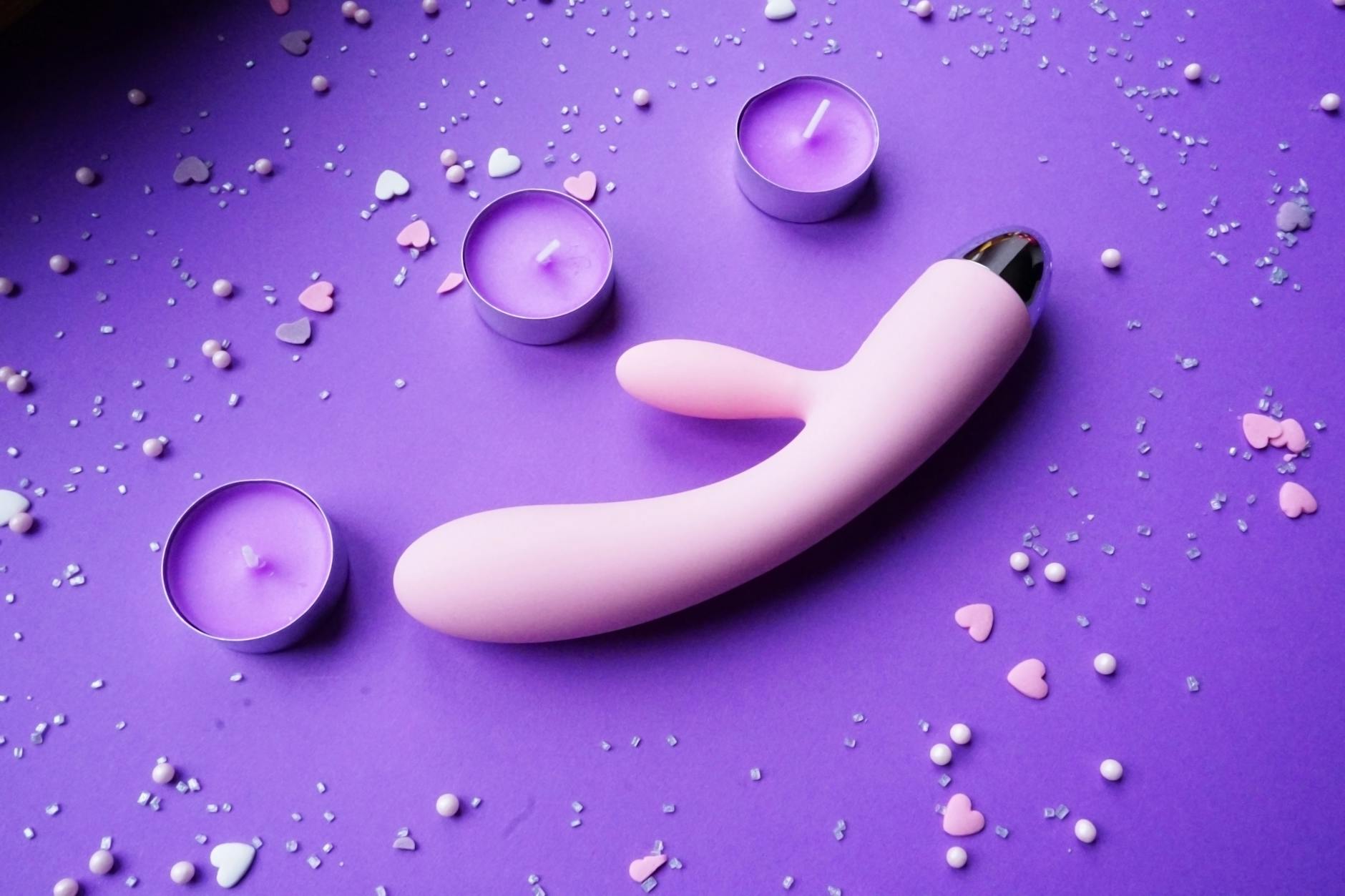
Here's the thing nobody tells you
Introducing a toy to partnered sex isn't actually about the toy. It's about permission. Permission for your body to feel good without guilt, permission to ask for what you need, and permission for your partner to show up differently than they have before. When you frame it that way, suddenly the conversation becomes less risky and more intimate.
I work with couples all the time who've been together for years but have never said out loud: "I want this." The lemon vibrator often becomes the thing that breaks that silence.
Why partners get nervous (and why they shouldn't)
Most partners worry about three things. One: that you're not satisfied with what they can provide (untrue, and worth addressing directly). Two: that you're losing interest in them (also untrue, but requires reassurance). Three: that they don't know how to "use" the toy and will feel stupid (common, solvable with five minutes of conversation).
Here's what actually happens when couples introduce a lemon vibrator like the Lem: they report stronger orgasms, more frequent sex, and better communication outside the bedroom. It doesn't replace your partner. It augments what's already there. It's the difference between a good meal and a great one. The food didn't get worse. You added something that made the whole experience better.
The conversation framework that actually works
Timing matters. Don't bring this up mid-argument, right before bed when you're both tired, or in a moment of frustration about your sex life. Pick a neutral moment. Saturday morning coffee. A walk. Somewhere private but not the bedroom yet.
Start with yourself, not the toy. "I've been thinking about my pleasure, and I realized there's something I want to explore." Not: "We need to spice things up." Not: "Our sex life is boring." You. Your body. Your desire. This reframes the entire conversation from "something's wrong" to "I want more of what's good."
Then get specific about what you want. "I want to feel more sensation during sex" or "I want to orgasm more consistently with you inside me" or "I'm curious about different types of touch." This is information. This is useful. This is not a critique of them.
Finally, invite their curiosity. "I found this thing I want to try. Would you be interested in exploring it with me?" Not demanding. Not begging. Inviting. There's a real difference, and your partner will feel it.
Introducing the actual product without making it weird
Show them the thing. Let them hold it. Let them ask questions. The Lem looks like a small lemon-shaped vibrator because it is. It's not intimidating. It won't hurt them or steal their job. It's a tool that creates sensation.
Explain what it does: "This uses suction, not vibration. It feels different from anything else. It helps me get to orgasm faster and more intensely." That's it. You don't need to narrate every technical feature. You need to convey: this is about my pleasure, it's not complicated, and I want you there when I use it.
If they're still uncertain, offer something smaller: "How about we try it just once, together, with no pressure to keep going if it doesn't feel right?" One session of experimentation is less scary than an open-ended commitment to "using toys now."
When and how to actually use it together
The lemon vibrator works best when you're already aroused. So the flow usually looks like: start how you normally do. When you're warm and ready, introduce the toy. You can guide your partner's hand if they're holding it, or hold it yourself while they're inside you (if that's your setup).
Start on a lower setting. You know your body. They're learning it in real time. There's no prize for high intensity right away. Let yourself feel what's happening. If something feels amazing, say so. "Right there" or "a little higher" or "faster." This is live feedback, and most partners actually love receiving it because it answers the question they've been wondering forever: "Is this working for you?"
The first time might feel awkward. That's normal. Vulnerability with another person is awkward sometimes. The second time is usually better. By the third time, it's often just part of your rhythm together.
What to do if your partner resists
Listen first. Ask: "What are you worried about?" Then actually listen instead of defending. Sometimes it's one of the three things I mentioned earlier. Sometimes it's something deeper. Maybe they were taught that bodies are supposed to be enough on their own, and a tool feels like a referendum on their adequacy. That deserves a real conversation, not dismissal.
You might say: "I know this feels new. I'm not asking you to feel excited about it yet. I'm asking you to be curious with me. And I want to understand what makes you hesitant, because your feelings matter too."
If they're still a hard no after a real conversation, you have choices. You can use the toy alone (totally valid). You can explore why they're closed to it and whether that's something worth working through (maybe with a couples therapist). You can reassess whether this is a dealbreaker for you. What you can't do is force enthusiasm. And honestly, forced enthusiasm about your pleasure is not the foundation you want.
How it often deepens things instead of creating distance
Many couples find that introducing a lemon vibrator starts a conversation they've been avoiding. Suddenly you're talking about what feels good, what you need, what you've been too shy to ask for. That conversation doesn't end with the toy. It leaks into other parts of your relationship. You become more direct. More honest. More knowing of each other's needs.
I've worked with couples who've been together fifteen years and had their first real conversation about pleasure because one partner said, "I want to try this vibrator." That's not the vibrator doing the work. That's courage doing the work. The vibrator just gave you a starting point.
The solo piece still matters
Even if you're using the lemon vibrator with a partner, having solo time with it is worth protecting. This is about you learning your own body, establishing what you like independently, building your own relationship with your pleasure. Partners don't need to be present for every good thing your body experiences. That's actually healthy.
When you know yourself well, you're a better partner. You're clearer about what you want. You're less likely to expect your partner to magically read your mind. You're more present in the experience because you're not performing for them or waiting for them to get it right.
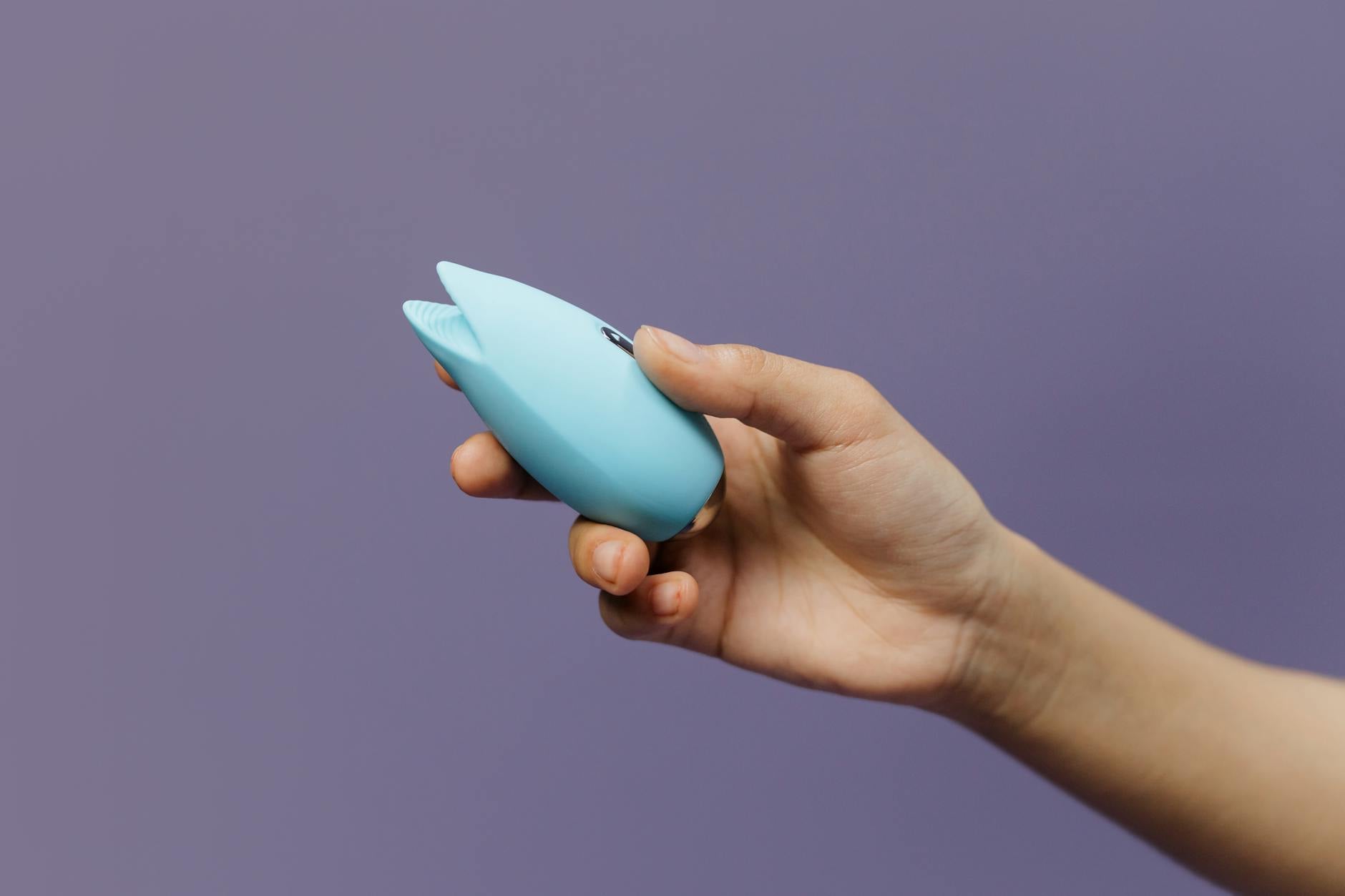
Photo by cottonbro studio on Pexels
FAQ: The questions couples actually ask
Should I ask my partner's permission before buying a lemon vibrator?
No. Your body belongs to you. That said, mentioning it before it arrives is kinder than surprising them with a package on the kitchen counter. "I'm thinking about getting a vibrator" is a heads-up, not a request. There's a difference. You're informing them, inviting input, but not asking permission.
What if my partner wants to use the lemon vibrator on themselves instead of with me?
Then you have a conversation about what that means to each of you. Some partners find it hot. Some feel left out. Some worry it means you don't want them involved. Address the actual feeling underneath. "I'd love to use it together, but I also want you to explore what feels good to you" might open up new territory.
Does using a clitoral vibrator with a partner mean our penetrative sex isn't working?
No. Roughly 70 to 80 percent of people with clitorises can't orgasm from penetration alone. That's anatomy, not relationship failure. Adding a lemon vibrator during penetration doesn't mean the sex was broken. It means you're building on what's already there. Your partner is still part of the experience. You're just giving yourself the stimulation your body actually needs.
My partner is worried I'll prefer the toy to them. How do I address that?
Be direct: "I won't. Here's why." Then back it up with action. Show them that your interest in them hasn't declined. In fact, you're probably more interested because you're more satisfied. When someone gets what they actually want, they usually want more of the person who helped them get it.
Can we use the lemon vibrator during oral sex or other positions?
Absolutely. The Lem is small and hands-free-ish, which means it works in lots of configurations. During oral sex, during penetration from behind, while you're on top. Experiment. There's no one right way. The point is finding what feels incredible for your body.
What if my partner wants to use it on me but I'm self-conscious?
That's a separate conversation about vulnerability and trust, not about the toy. Start with you doing it on yourself while they're present. Let them see that you're comfortable with your own pleasure first. Most of the time, that comfort is contagious. They'll see how much you enjoy it, and their discomfort with your body will start to shift.
The bottom line
Introducing a lemon vibrator to your partnered sex life isn't about fixing something broken. It's about expanding what's possible. It's about saying out loud: "My pleasure matters." And inviting your partner to be part of that. Most partners, when given the actual choice and clear information, want to be.
The hard part isn't the toy. The hard part is the conversation. Once you've had that conversation, the rest is just exploration. And exploration together, even when it's a little awkward at first, usually brings people closer.
If you're ready to start that conversation, you already know what you want to say. You're just looking for permission to say it. Here it is: your pleasure deserves attention. Your body deserves tools that help it feel good. And your partner deserves to know what you need.
Start the conversation this week.