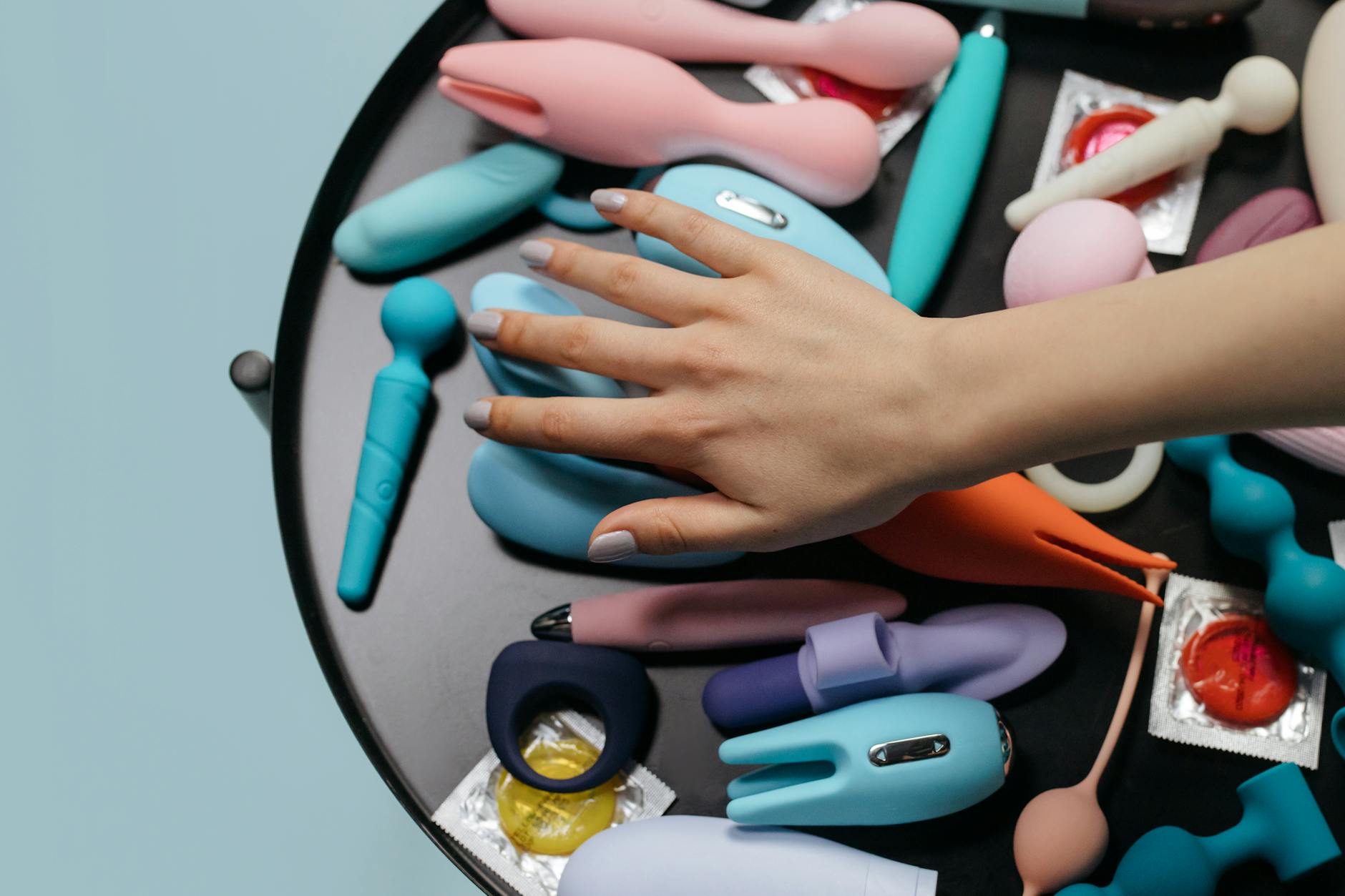
The conversation nobody's having
You start an SSRI for anxiety or depression. Within weeks, you notice something feels different during sex. Not bad, exactly. Just... muted. Orgasms take longer. Sometimes they don't arrive at all. And nobody warned you this was coming.
Here's the thing: that numbness is not in your head, and it's not a sign the medication isn't working. It's a direct side effect of how SSRIs function in your nervous system. And yes, there are real, evidence-backed ways to work with it.
What SSRIs actually do to sensation
SSRI stands for selective serotonin reuptake inhibitor. In plain language, the medication stops your brain from reabsorbing serotonin, keeping more of it available in your neural synapses. That's what quiets anxiety and lifts depression. It's also what dampens sexual response.
Here's the chain reaction. Serotonin and dopamine work in opposition during arousal. When you have higher serotonin, dopamine (which drives desire and physical response) gets suppressed. It's a neurochemical trade-off. You get emotional stability. You lose some of the automatic spark that used to drive arousal.
But that's not the only mechanism at play.
The nervous system piece
Sex lives in your parasympathetic nervous system. That's the part that handles rest, digestion, and pleasure. SSRIs calm your entire nervous system to ease anxiety, which means your parasympathetic system is running at a lower baseline. Your body is less primed to respond to stimulation, period.
It's like turning down the volume on your whole audio system instead of just the annoying channel. The music still plays, but everything's quieter.
Why lemon vibrators work differently here
Lemon clitoral vibrators use a specific form of stimulation. Suction technology creates a pattern of pressure and release that targets concentrated nerve clusters in a way traditional vibration doesn't. The key: they bypass the dampening effect of SSRIs by working with pure nerve stimulation intensity rather than relying on your body's automatic arousal response.
When sensation is dulled, you need a tool that compensates for that dulling. A lemon vibrator delivers consistent, focused stimulation to the clitoris without waiting for your nervous system to naturally ramp up. You're not fighting biology. You're working with a different channel.
Many people on SSRIs report that suction-style stimulation feels distinctly more effective than traditional vibrators. The vibration can feel buzzy and surface-level when your nerves are muted. Suction creates a deeper, more concentrated sensation that cuts through.
The timing thing
One pattern I see often: people on SSRIs need longer warm-up time, but they also respond more dramatically once they get there. Budget 20 to 30 minutes instead of 10. Your body isn't broken. It's running on a different tempo.
If you're partnered, communicate this directly. "My nervous system is running slower right now because of medication" is completely different from "I'm not attracted to you anymore." Partners often interpret dulled response as rejection. It's not. It's a side effect you can name and work around together.
When to consider dosage or timing shifts
If sexual response is important to you, talk to your prescriber. Some options.
First, timing. Taking your SSRI at a different time of day might change when sensation is most available. Some people find taking it at night instead of morning helps libido during the day. This varies wildly person to person, but it's worth asking about.
Second, dose adjustment. Sometimes lowering the dose slightly, if your mental health is stable enough, can restore some sensation without losing the anxiety benefit. Not always possible, but worth the conversation.
Third, augmentation. Some prescribers add bupropion (Wellbutrin), which works on dopamine, not serotonin. This can counteract some of the sexual dampening. Again, not right for everyone, but real option.
The conversation with your doctor matters more than any toy. Pleasure matters. You deserve to explore options that honor both your mental health and your sexuality.
The solo play angle
Honestly, SSRIs often make solo exploration easier in one way: the pressure drops. When orgasm becomes harder, it becomes less about performance and more about the exploration itself. That's actually useful.
This is when many people discover what they actually want separate from what their partner wants or what they think they're supposed to want. The slowness becomes a feature instead of a bug.
Lemon sexual toys help here because they let you take your time without frustration. You're not waiting for your body to catch up. You're in control of the intensity and pattern, which matters when your nervous system is running quiet.
The couple's dynamic
If you're with a partner, this is a specific kind of vulnerable conversation. "My medication changed how my body responds during sex" hits different than other sexual negotiations. It can feel like a referendum on the relationship when it's really just a medication side effect.
The best couples I work with get specific. Instead of "nothing works anymore," it becomes "my body responds better to focused, sustained stimulation than to varied rhythm." That's actionable. That's something you can actually do together.
Lemon clitoral vibrators can be a couples tool here. Many partners feel a bit helpless watching their person struggle with medication side effects. Having a specific tool that helps takes some of that pressure off.
Other small shifts that compound
Beyond the toy itself, three things help most.
First, stress management. SSRIs are supposed to calm you, but anxiety often lingers. Anything that genuinely quiets your nervous system outside of sex helps. Walking, stretching, breathwork. When you show up to sex already calmed instead of still revved from the day, your body has more capacity to respond.
Second, novelty. SSRIs can make routine feel particularly flat. Switching locations, trying new positions, changing the order of things. Small novelty signals your nervous system to pay attention.
Third, patience with yourself. You haven't lost the ability to feel pleasure. Your system just needs more consistent input to register it. That's not weakness. That's how your brain is working right now.
The long view
SSRI sexual side effects sometimes ease over time. Some people find that after a year or two on the medication, their body adapts and sensation creeps back. Not guaranteed, but common enough that it's worth tracking.
In the meantime, you're not waiting in a void. Lemon vibrators work. Adjusting expectations and communication patterns works. Talking to your doctor works. You have tools, and you deserve to use them.
Your mental health comes first. Full stop. If an SSRI is what keeps you stable, that's the right choice even if it changes your sexual response. And then, from that stable foundation, you get to explore what pleasure looks like under these new conditions. It's different. It doesn't have to be less.
People also ask
Why do SSRIs make orgasm harder than other antidepressants?
SSRIs specifically elevate serotonin, which suppresses dopamine. Dopamine drives both desire and the motor response of orgasm. Other classes of antidepressants work differently on these neurotransmitters. SNRIs (like Effexor) affect both serotonin and norepinephrine, which can feel slightly different. Atypical antidepressants like bupropion work on dopamine directly, which is why some people switch to those if sexual side effects are severe. The serotonin elevation in SSRIs is powerful for anxiety and depression, but it comes with this specific trade-off.
Can you take anything to counteract SSRI sexual side effects?
A few options exist. Some people take a low dose of sildenafil (Viagra) before sex, which increases blood flow and can help with arousal and sensation. Others add bupropion, which boosts dopamine and can restore some sexual response. Ginseng and L-arginine supplements have mixed research but some people report they help. The most important step is talking to your prescriber. They can suggest what makes sense for your specific situation and medication combination. Never add anything without checking first.
How long does it take for SSRI sexual side effects to appear?
Most people notice changes within the first two to four weeks, as the medication reaches steady state in their system. Some notice immediately. Others find the effects build gradually over a few months. And some people don't experience sexual side effects from SSRIs at all. The dose matters too. Higher doses tend to have more pronounced effects on sensation and arousal. If you're noticing changes, that's real and worth addressing with your doctor.
Do lemon clitoral vibrators work better than regular vibrators for this specifically?
Many people on SSRIs report that suction technology feels more effective when sensation is dampened. The focused, consistent pressure can cut through when traditional vibration feels too diffuse. That said, bodies vary. Some people find that even traditional vibration works fine if they give it enough time and use higher intensity. The best approach is experimenting with what your nervous system responds to under these specific conditions. Lemon vibrators are worth trying because they offer a different stimulus pattern, but they're not magic. What helps is finding the right tool for how your body is working right now.
Is it normal to need longer to warm up on SSRIs?
Yes, completely normal. SSRIs calm your parasympathetic nervous system, which is where sexual response lives. That means arousal builds more slowly. You're not broken. Your nervous system is just operating at a different pace. This often means 20 to 30 minutes of foreplay or solo exploration instead of 10. It also sometimes means that once you do arrive at pleasure, it's quite intense. Slower doesn't mean worse. It's just different timing.
Should I switch medications if sexual side effects are bothering me?
That depends on how well your current SSRI is managing your mental health symptoms. If it's working really well for your anxiety or depression, switching might not be the answer. But if your current dose is higher than you need, or if you've been stable for a while, having a conversation with your prescriber about adjusting timing, dose, or augmentation options is absolutely worth it. Some people do switch to a different class of antidepressant with fewer sexual side effects, but that's a medical decision between you and your doctor. Don't stop or switch on your own.
The takeaway
SSRI sexual side effects are real, they're common, and they're not something you have to just accept quietly. Your mental health matters. Your pleasure also matters. These aren't in competition. Tools like lemon clitoral vibrators, communication with your partner, and honest conversations with your prescriber help you honor both. You're not broken. You're medicated, and you're learning what works under these new conditions.