The fatigue that kills pleasure
Let's be real. You're exhausted. Not just tired. Exhausted. The kind of tired that lives in your bones after months of running on fumes, managing everyone else's needs, hitting deadlines, or simply existing in a world that feels relentlessly demanding. And somewhere in that exhaustion, pleasure stopped registering.
You might still want sex. You might still love your partner. But when they touch you, when you try to pleasure yourself, there's a flatness there. A disconnection. Like your body is in the room but you're somewhere else entirely. That's not a libido problem. That's a nervous system problem.
Photo by FounderTips on Pexels
Why stress numbs sensation
Here's what happens physiologically when you're chronically stressed. Your nervous system camps out in fight-or-flight mode. Cortisol stays elevated. Blood vessels constrict. Your brain prioritizes threat detection over pleasure detection because from an evolutionary standpoint, pleasure is a luxury your nervous system thinks it can't afford right now.
The physical effect? Reduced blood flow to the clitoris, slower arousal response, and a blunted sensation threshold. You need more stimulation to feel anything at all. That's not you getting numb as a person. That's your body protecting itself from what it perceives as danger.
The catch is that this protection backfires. The less you feel, the more effort pleasure requires. The more effort required, the more stress you feel about the whole thing. And now you're stuck in a loop where sensation itself becomes something you're anxious about.
Why lemon vibrators work differently for this
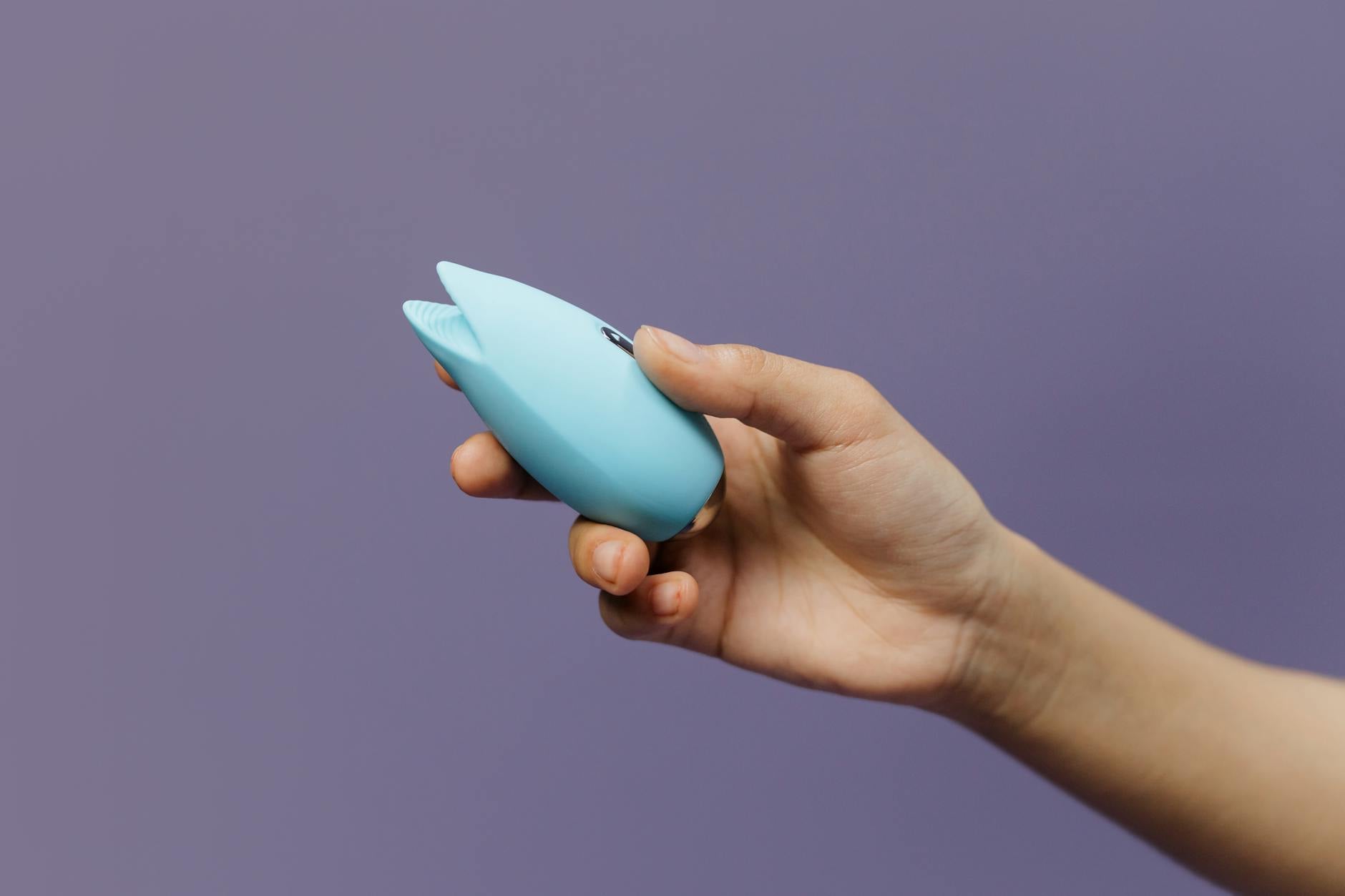
Lemon clitoral vibrators use suction and gentle pulsing rather than raw vibration. That matters when your nervous system is already overloaded. Here's why.
With traditional vibrators, you're adding more stimulation to a system that's already overstimulated by life. It can feel invasive or too intense. Lemon vibrators work by creating a rhythmic seal and release pattern that mimics the natural suction response. It's not aggressive. It's almost conversational with your body.
The sensation starts shallow and peripheral (on the surface of the clitoris) and builds gradually inward. That pacing gives your nervous system time to register the pleasure instead of just enduring the stimulation. For someone running on empty, that difference is everything.
How suction rewires your arousal pathway
When you use a lemon vibrator consistently, something shifts neurologically. The gradual, rhythmic stimulation teaches your nervous system that pleasure is safe. It's not a threat. It's an invitation.
After a few sessions, many people notice that regular stimulation (a partner's touch, their own hand) starts to feel more pleasurable too. The lemon vibrator essentially retrains your brain's pleasure pathways. You're lowering your sensation threshold back to baseline, not because you're broken, but because you're reminding your nervous system what feeling good actually feels like.
This is why so many of my clients find that using a lemon clitoral vibrator during times of high stress prevents the complete pleasure shutdown. It's preventative. You're maintaining the connection to your body even when everything else is pulling you away from it.
The three-step approach to rebuilding sensation
If you're starting from a place of numbness, here's what actually works.
Start small and slow. Don't use your lemon vibrator on the highest setting. Start on pattern one or two and spend time there. The goal isn't intensity. It's sensation awareness. You're rebuilding the neural pathway, not rushing through it.
Make it about feeling, not outcome. This is critical. Stop aiming for orgasm. That's the performance trap that got you here in the first place. Instead, set a timer for fifteen minutes and commit to noticing sensation only. What do you feel? Where? Is it consistent or does it change? You're not trying to achieve anything. You're practicing attention.
Use it when you're already partially calm. The worst time to use a lemon vibrator is right after a stressful meeting or when you're still holding tension from the day. Take thirty minutes to decompress first. A bath, a walk, tea. Let your nervous system shift gears. Then use the vibrator. The contrast between stress and pleasure will be sharper and more real.
Why this works better than forcing yourself to be in the mood
The old advice was to "find time" for sex, to schedule it, to create conditions. That advice was trying to solve a logistics problem when you actually have a neurobiology problem. You can't think your way back into sensation. You can't willpower your way into pleasure.
What you can do is create the conditions for your nervous system to remember what pleasure feels like. A lemon vibrator does this more efficiently than most tools because it meets you where you are. It doesn't require you to be aroused first. It doesn't demand intensity. It simply offers a gentle, rhythmic invitation to notice sensation.
After a few weeks of consistent use, the numbness often lifts. Not because you're suddenly less stressed (life doesn't work that way), but because you've rebuilt the pathway. Your nervous system has learned that pleasure is possible even in the middle of chaos.
The relationship angle
If you're in a partnership, this is worth naming. Your partner might interpret numbness as lack of attraction or desire for them. It's not. It's stress hijacking your nervous system. Using a lemon vibrator can help you maintain intimacy and sensation on your own terms, which actually makes partnered sex easier and more present when it happens.
Some couples find that using a lemon clitoral vibrator together during this phase helps. It takes pressure off the partner to "fix" the sensation problem. It puts the focus back on your body and what helps it feel good. That shift is often relieving for everyone.
When to check in with a professional
If numbness persists for more than a few months even with consistent stimulation and stress reduction, it's worth talking to a therapist or your doctor. Sometimes reduced sensation signals depression, hormonal shifts, or medication side effects. A professional can help sort that out.
The same goes if numbness is paired with zero interest in sex at all. That's a different conversation than "I want sex but can't feel it." One points toward nervous system depletion. The other might signal burnout or relationship issues that need attention.
But in most cases where you're dealing with everyday stress and fatigue, a lemon vibrator and some permission to practice pleasure slowly can genuinely rewire what's happening. Your capacity for sensation didn't disappear. It got buried. And it wants to come back.
FAQ
How long does it take to feel sensation return with a lemon vibrator?
Most people notice small shifts within two weeks of consistent use (3 to 4 times per week). Real sensation changes often take four to eight weeks. Everyone's timeline is different depending on stress levels, how long the numbness has been present, and your baseline nervous system sensitivity. Patience here isn't a virtue. It's the actual mechanism of change.
Can I use a lemon vibrator if I don't want to orgasm?
Absolutely. That's actually the ideal approach when you're rebuilding sensation. You're training your body to notice pleasure throughout the experience, not just at the endpoint. Many people find that removing the pressure to orgasm makes the vibrator more useful for nervous system regulation.
Will using a lemon vibrator make partnered sex feel boring?
No. The opposite usually happens. When your nervous system remembers what sensation feels like solo, partnered touch often feels richer and more textured. You're not comparing. You're adding another layer to what you already know feels good.
Is there a best time of day to use a lemon vibrator for stress relief?
Evening or early morning tends to work better than mid-day because your nervous system is already primed to shift gears. Avoid times when you're actively stressed or immediately after caffeine or intense activity. You want to use it when your body has at least fifteen minutes to settle into a different mode.
What if my partner thinks using a vibrator means they're not enough?
That's a conversation, not a problem with the vibrator. A lemon vibrator isn't a replacement for partnered sex. It's a tool for rebuilding your own capacity for sensation. You might say something like: "This isn't about you. My nervous system is running on empty and I need to remember what pleasure feels like. Using this helps me show up more present with you." That honesty usually opens a door instead of closing one.
Can stress ever make sensation completely disappear permanently?
Not permanently. Sensation can dull, delay, or narrow, but it doesn't vanish. Even people who've experienced long-term sexual numbness find that with nervous system healing, sensation returns. It might look different than before, but it's there. That's important to know.