
Here's the thing about new relationships and sex toys
You like them. Your new partner doesn't know that yet. And somewhere in your head, there's a small voice saying: "What if they think it means they're not enough?" That voice is why so many people hide their toys or skip them entirely when things are new. Which is a shame, because the early stage of a relationship is actually the best time to build a foundation of honesty about what you need.
Lemon clitoral vibrators, specifically, make this conversation easier. Not because they're magic. Because they're designed to do something other toys often miss: they let you stay focused on sensation and connection instead of mechanics. You can actually talk while you're exploring together, which changes everything.
Why new partners and toys trigger anxiety
There are three specific fears I hear from people navigating this:
First: the comparison trap. "Will they think I need this because they're not good enough in bed?" Second: the shame reflex. We're still taught that wanting a vibrator means something's wrong with us. Third: the control loss. Letting someone see you use a toy, or letting them be part of it, means vulnerability. It means they see exactly what turns you on, which is terrifying when you're still learning if you can trust someone.
All three are legitimate. And all three get smaller when you frame it differently.
What Lemon vibrators do differently in a couple's context
Most vibrators are either very intense or require a lot of mental energy to control. A Lemon clitoral vibrator is designed to be intuitive. You pick it up, it feels good immediately, and there's not much of a learning curve. That matters because you don't want to be fumbling with settings while your nervous system is already in overdrive.
The other thing Lemon vibrators do is create a natural entry point for conversation. They're simple enough that you can explain how they work in literally 20 seconds. "It's just a clitoral vibrator. This button turns it on. That's it." There's no complicated instruction manual hanging between you. And because the device is straightforward, attention stays on the two of you, not on figuring out which vibration pattern you're supposed to use.
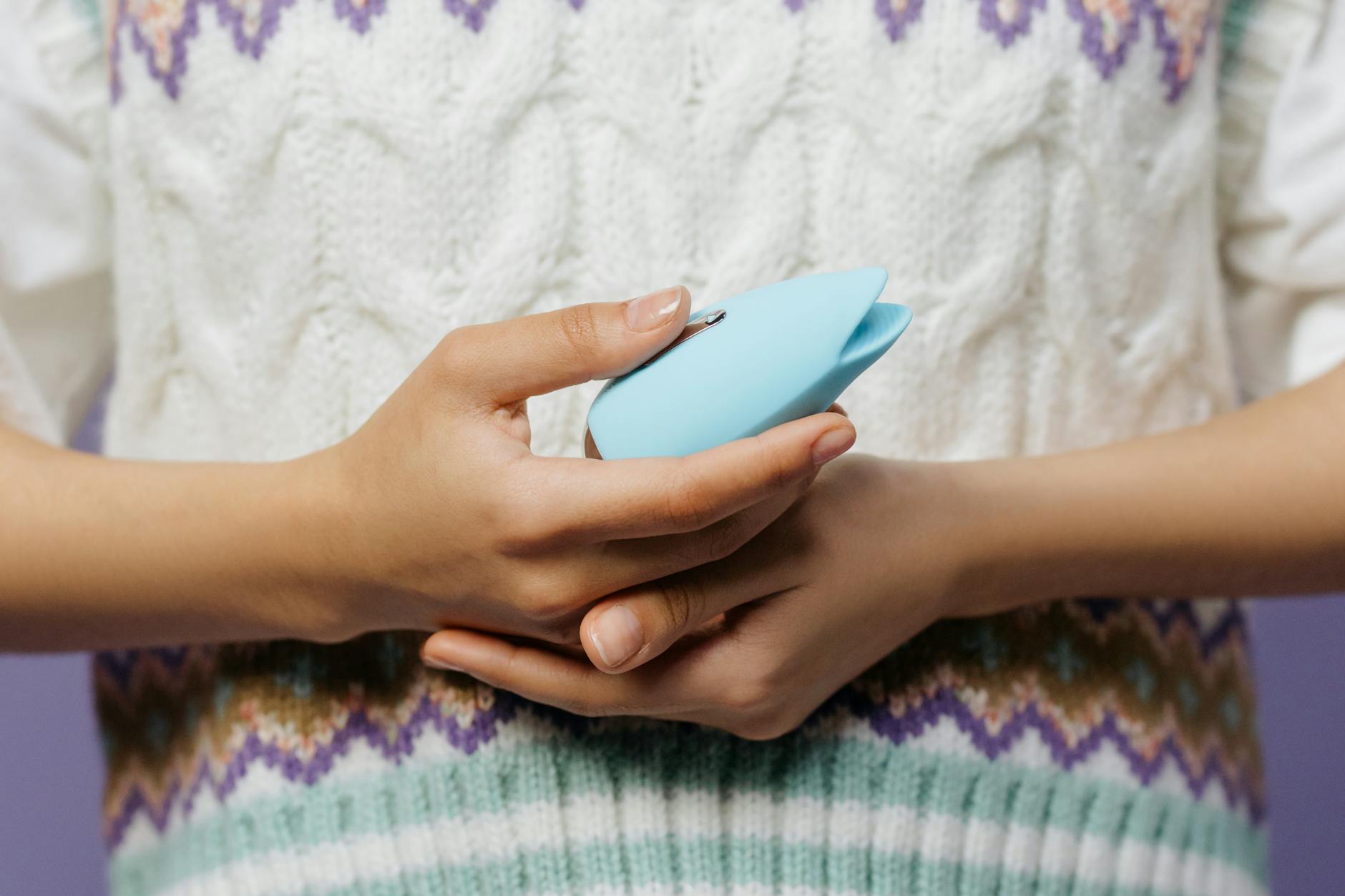
Photo by cottonbro studio on Pexels
When something is uncomplicated, people relax. Relaxation opens the door to honesty.
How to bring it up without making it weird
You're not asking permission. You're offering information. Here's the script I usually suggest: "I want to show you something I use. It helps me finish, and I'd like you to see what that looks like." That's it. No apology. No explanation of why. Just clarity.
If they ask questions, answer them. If they want to touch it, let them. If they want to be involved, show them where. If they're not ready, that's information too, and it tells you something about how they respond to your needs.
A partner who gets defensive about a toy isn't threatened by the toy. They're threatened by the idea that your pleasure matters more than their ego. That's a them problem, not a you problem. And honestly, if that's the response you get, you want to know it early.
The communication thing actually works
Here's what happens when you introduce a Lemon vibrator with a new partner: you're literally teaching them what makes you feel good. You're showing them, in real time, what your body responds to. That information is invaluable. Most partners spend years trying to guess what you like. When you hand them actual data, you're cutting through so much guesswork.
And then something unexpected happens. They start paying attention differently. Because now they understand that pleasure is specific. It's not about doing the same thing everyone else does. It's about learning what works for you.
When to introduce it
Not on the first date. But also not after you've already settled into a pattern where you're faking satisfaction. Ideally, you bring it in when things are heating up but before you've built a narrative around "this is just how sex is with this person."
A good timeline is usually after the third or fourth time you've been intimate together. You know each other's bodies a little. Things feel less terrifying. But you haven't yet locked into a routine that would feel disrupted by introducing something new.
What to expect from the first time
It might be awkward. That's normal. You're introducing a new element. Someone might laugh nervously. Someone might ask questions they're not sure how to phrase. You might feel self-conscious.
That's all fine. What matters is what happens next. If your partner leans into curiosity rather than defensiveness, you're in good shape. If they offer to help, even better. If they're asking you questions about what feels good, you've found someone worth keeping around.
The awkwardness usually evaporates after about 30 seconds anyway. You're both focused on the same goal: making you feel good. That's actually a beautiful thing to do together.
When introducing toys signals something bigger
Here's the flip side I want to mention: sometimes "I want to use my vibrator during sex" is code for "I'm not satisfied." And sometimes that's real. Maybe you've been trying to make things work, and they're just not, and the vibrator is the thing that finally makes it clear.
That's legitimate information. Use it. If you need a vibrator to finish, and you never needed one before, that's worth exploring. Is the sexual chemistry off? Is your partner not paying attention to your body? Are you anxious about the relationship? Those are separate conversations, and they matter more than the toy itself.
But most of the time, introducing a vibrator with a new partner is just about saying: "Here's what I like. I want you to be part of it." And that's worth the brief awkwardness.
FAQ
Will using a Lemon vibrator make my new partner think I don't find them attractive?
No. A vibrator is a tool that creates a specific type of stimulation your partner's fingers or body can't replicate. It has nothing to do with attraction. If your partner is secure, they'll understand this immediately. If they're not, that's information about them, not about you. You deserve a partner who supports your pleasure.
Should I ask permission before showing them my vibrator?
You don't need permission to own something that brings you pleasure. What you need is a conversation. "I want to show you something I use" isn't asking permission. It's giving a heads-up. Big difference. This keeps things respectful while keeping you in charge of your own body and pleasure.
What if they want to use it on me but I'm uncomfortable?
Tell them. "I appreciate that you want to try, but I'd rather use it myself right now" is a complete sentence. You control how your body is touched. If they push back on that boundary, that's a major red flag. Full stop.
Is it better to hide it or to be upfront from the start?
Be upfront. Hiding a vibrator sends the message that there's something shameful about your pleasure. There isn't. When you bring it up naturally (not in the middle of sex, but in normal conversation), your partner takes their emotional cues from you. If you're casual about it, they're more likely to be casual about it too.
What if my partner wants to buy a toy together?
That's actually wonderful. It's a sign they want to explore pleasure as a team. If that happens, great. If you'd rather keep using what you already have, that's fine too. There's no "right" way to do this.
Can a vibrator actually improve my relationship?
It can improve your sex life, which can improve the relationship. But the bigger thing it does is create a precedent where you talk about what you need. That habit of communication extends beyond the bedroom. When you can say "I want a vibrator," you can eventually say "I need more emotional support" or "I'm feeling disconnected." The toy is just the opening.
The bottom line
Introducing a Lemon clitoral vibrator to a new partner isn't about the toy. It's about building a relationship where your pleasure matters. It's about testing whether someone can handle honesty. And it's about discovering that when you stop pretending, sex gets a whole lot better for everyone involved.
Start the conversation. Own your pleasure. Watch what happens.
If you need help navigating other tricky relationship moments, I'm here for it. Reach out anytime.