The conversation nobody's having
Here's what nobody tells you when they hand you a prescription: this medication might save your life and simultaneously kill your orgasm. SSRIs, antihistamines, beta blockers, anticonvulsants. They work. They're necessary. And they often flatten sensation like a boot on a peach.
I work with couples regularly where one partner's on medication that tanks their libido or makes orgasm feel impossible. The other partner watches, confused and hurt, because from their perspective, nothing about their partner has changed except suddenly they're unavailable. That's not fair to either of them. And it's absolutely fixable.
What medications actually do to your body
Several classes of drugs interfere with pleasure by different routes. SSRIs (sertraline, fluoxetine, paroxetine) increase serotonin, which is great for mood but reduces dopamine signaling in the pathways that drive desire and orgasm. Antihistamines dry out mucous membranes everywhere including the genitals. Blood pressure medications restrict blood flow, which is literally the mechanism by which arousal happens. Anticonvulsants can dull nerve sensitivity.
The weird part: these effects aren't proportional to how much you need the drug. You might need your SSRI at a dose that gives you significant sexual side effects, and your doctor can't just shave off 10% and call it even. It doesn't work that way.
So what changes isn't your capacity for pleasure. What changes is how hard your body has to work to get there.
Why lemon clitoral vibrators actually help
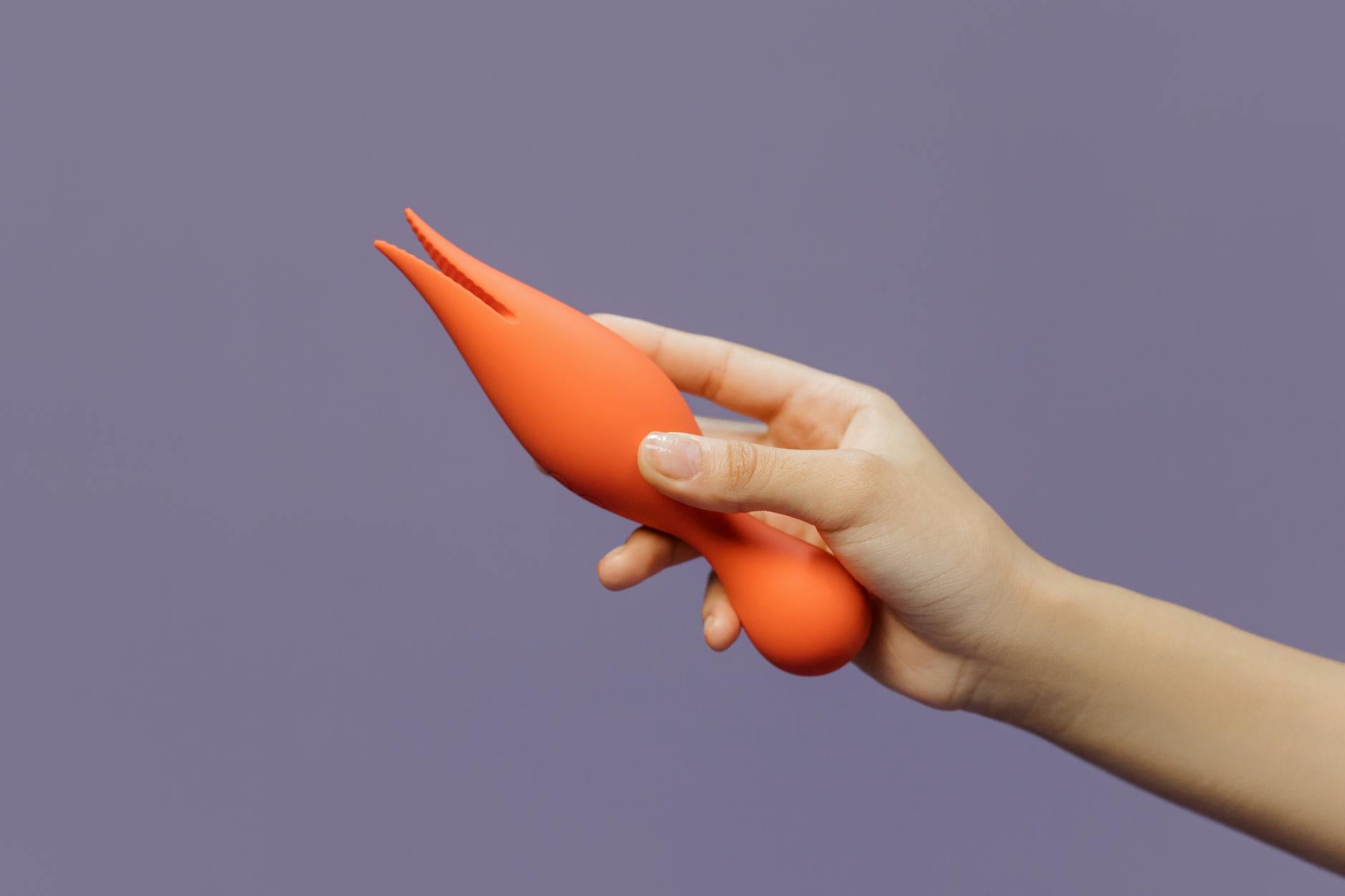
There are three reasons air-pulse vibrators like Lemon Wand's clitoral vibrators become genuinely useful when medication dampens sensation.
First: intensity without friction. When your nerves are less responsive, a traditional vibrator can feel either underwhelming or irritating. Lemon vibrators use suction and micro-pulses to create intense stimulation that doesn't require the direct, aggressive contact that leaves you feeling raw. It's like the difference between a gentle but consistent pressure and constant rubbing.
Second: they compensate for reduced blood flow. If your medication restricts circulation, your clitoris gets less engorged naturally. A Lemon vibrator's suction mechanism manually creates the swelling and engorgement that your body would normally do on its own. This matters because sensation depends partly on tissue volume.
Third: they actually rebuild neural pathways. This is the clinical part. When you use focused, pulsed stimulation repeatedly, you're essentially retraining your nervous system to recognize pleasure signals even through the medication's dampening effect. It's not magic. It's neuroplasticity. After a few weeks of regular use, many people find their baseline sensitivity lifts.
The practical setup that works
If you're on medication that's killed your sensation, here's what I recommend:
Start with the lowest pattern. Lemon vibrators have multiple settings. Begin at pattern one or two. Your instinct will be to crank it because you're used to numbness. Resist that. Low, consistent stimulation builds sensitivity faster than high intensity does.
Budget 20-30 minutes minimum. You're not racing to an orgasm. You're retraining your nervous system. Some days it'll happen in 15 minutes. Other days nothing will happen and that's fine. Consistency matters more than success.
Use it the same time most days. This sounds obsessive but it's not. Your brain learns patterns. If you use your vibrator at the same time each day, your body starts to anticipate it and arousal becomes easier. This is classical conditioning and it works.
Expect a 2-4 week ramp. Most people don't notice improved sensation until they've used a clitoral vibrator regularly for at least two weeks. This is where people give up. Don't. The changes are real and they're coming.
When medication timing matters
If your medication has a peak effect time, you might experiment with using your vibrator when that effect is lowest. Most SSRIs are taken at night, which means your lowest-side-effect window is in the morning. If you're on an antihistamine, the opposite often applies.
Your pharmacist can tell you the peak plasma time for your specific medication. Then you can schedule pleasure accordingly. Yes, this is real. Yes, it helps.
The conversation with your doctor you probably need to have
Don't assume your doctor knows about sexual side effects unless you tell them. Many doctors don't ask because it's awkward. But there are real options.
Some medications have alternatives in the same class with lower sexual side effects. Bupropion, for instance, is an antidepressant that often preserves sexual function better than SSRIs. Switching isn't always possible but it's worth asking about.
Other doctors add a second medication specifically to counter sexual side effects. Buspirone, for example, is sometimes added to SSRIs to restore orgasm capacity. Again, not an option for everyone, but a conversation worth having.
Dosage matters too. Sometimes lowering your dose by 10% with careful monitoring preserves enough benefit while reducing side effects. Sometimes it doesn't work. But your doctor won't know unless you ask.
What to do if you're in a relationship
If your partner is on medication that's dampening their sensation, this isn't their failure. It's not about your attractiveness or your technique. It's chemistry literally working against you both.
The helpful framing: "Your medication is keeping you stable and I love that. And I also want to help you experience pleasure again. Can we try this together?" Then you're allies, not opponents.
If they're hesitant about vibrators specifically, the resistance often softens when they understand it's not replacing them. A Lemon vibrator enhances sensation on your partner's body so they can feel your touch more vividly. It's collaborative, not competitive.
When to consider other interventions
Lemon clitoral vibrators help most people. But if you've been using one consistently for 4-6 weeks and sensation hasn't improved at all, it's worth circling back to your prescriber. Sometimes the medication itself is incompatible with your pleasure and swapping to an alternative actually matters.
Some people also benefit from sex therapy specifically designed for medication side effects. There's a whole field of this. A therapist trained in treating sexual dysfunction from medications can sometimes help your nervous system rewire faster than vibrators alone.
The part people don't talk about
Most people on medication feel ashamed about sexual side effects. Like their body has betrayed them. Like they should just accept it as the price of mental health or physical health.
You don't have to accept that trade-off. Your pleasure and your health both matter. A Lemon vibrator isn't a workaround because you're broken. It's a tool that meets your body where medication has changed it. Same way you wouldn't think of glasses as a workaround for vision loss. They're just what your eyes need.
Your sensation is recoverable. Your pleasure is still available. It might look different than it did before medication, but it's there.