Let's start with what actually happens to your body after a breakup
When a relationship ends, your nervous system doesn't just process the emotional loss. It rewires. For months or years, your body learned to respond to touch, proximity, and presence in a specific way. Your partner's hand meant safety. Their rhythm became your rhythm. Your arousal lived inside a two-person system.
Then suddenly, that system vanishes. Your body doesn't adjust gracefully. It floods with anxiety instead.
The nervous system aftermath
Here's what I see clinically: people who had good, connected sex during a relationship often experience profound pleasure anxiety afterward. It's not that the desire vanishes. It's that your parasympathetic nervous system (the one that allows pleasure to happen) is flooded with cortisol and adrenaline. Your body is literally in survival mode, trying to figure out what safety looks like when the person who made you feel safe is gone.
You might notice you can't focus. Your mind spins through memories. Your body feels simultaneously numb and hypersensitive. Touch that used to feel good now feels lonely, or worse, it feels like it's opening a wound you're not ready to open.
The fear underneath is often: "What if I can't feel pleasure alone? What if I need someone else?" That's not weakness. That's neurology.
Why solo pleasure feels loaded after a breakup
Self-pleasure after a relationship ends isn't just about physical sensation. It's about autonomy. It's about proving to yourself that your pleasure doesn't depend on another person's presence. For some people, that's liberating. For others, it's terrifying.
Some of the anxiety comes from messages you internalized: maybe sex was always something you did together. Maybe you were taught that solo pleasure was less valuable, or selfish, or evidence that something was wrong with your relationship. Maybe your ex made you feel bad about masturbating. All of that lives in your nervous system now.
Adding: your body remembers the specific rhythms and patterns of sex with that person. When you try to pleasure yourself alone, the absence of those patterns can trigger a grief response. Your nervous system notes the difference and interprets it as loss, which shuts down arousal further.
How lemon vibrators help rebuild the nervous system
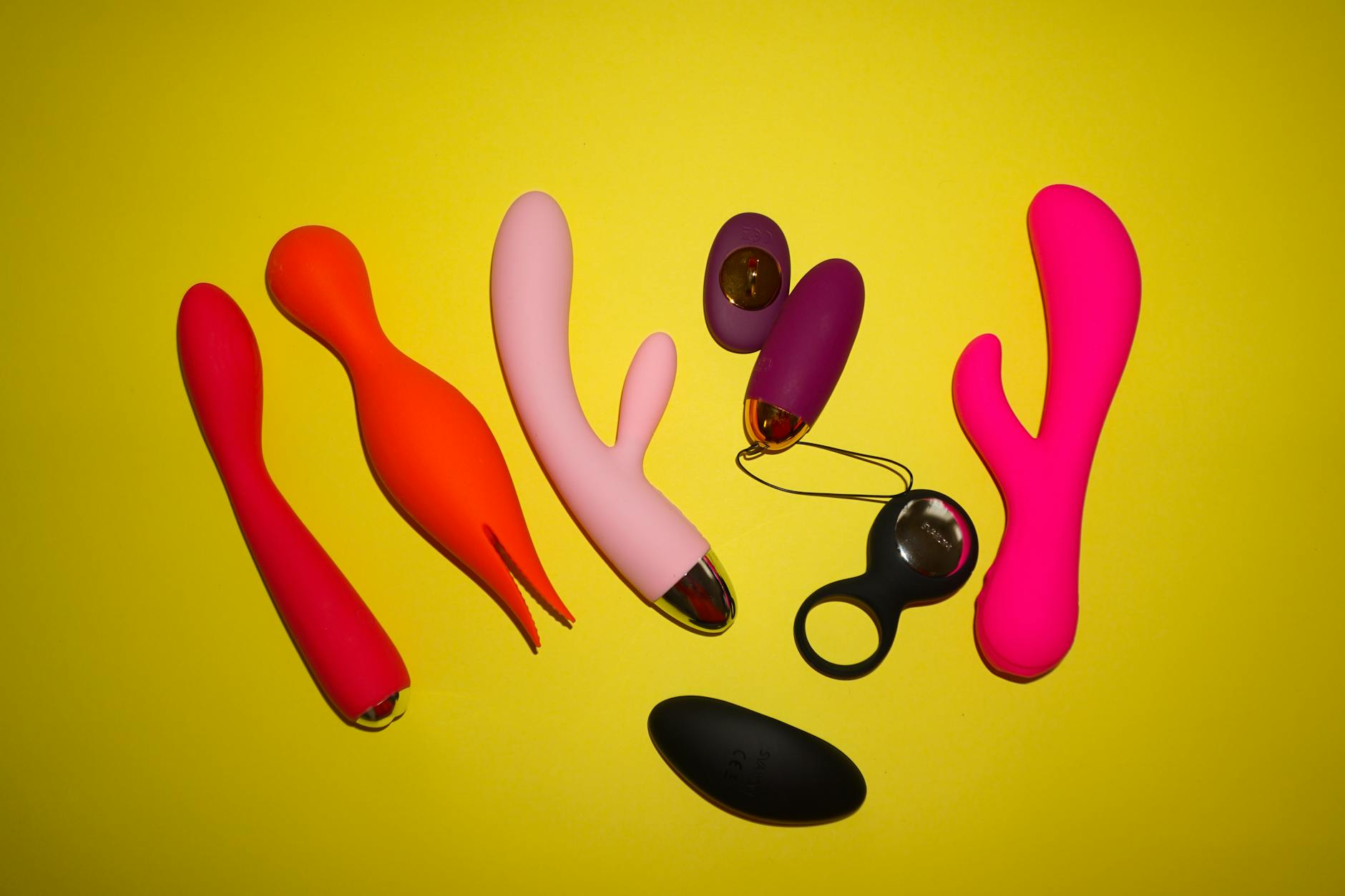
Lemon clitoral vibrators like the Lemon Wand work particularly well during this transition because they do three things your anxiety needs:
First, they externalize the rhythm. Your brain doesn't have to generate the stimulation pattern. The vibrator does. This is huge when your mind is scattered or anxious, because you can stop white-knuckling your own pleasure and just receive sensation. Your job is to stay present, not to perform.
Second, they offer predictable, consistent touch. After a breakup, your nervous system craves predictability. Lemon vibrators deliver the exact same sensation every time you use them. There's no guesswork, no disappointment of mismatched rhythm, no anxiety about "doing it right." The pattern stays the same. Your body learns: this is safe, this is reliable.
Third, they're solo by design. There's no ghost of "this should feel different with someone else." You're not comparing the sensation to partnered sex. You're building a new relationship with your own pleasure that exists completely independently. This is how you rewire the nervous system's association between pleasure and partnership.
Starting the reconnection process
When my clients are rebuilding solo pleasure after a breakup, I suggest these steps:
Week one: just presence. Don't aim for orgasm. Pick a time when you're not rushed or tired. Lie down with the lemon clitoral vibrator near you. Notice your body. What thoughts come up? Where do you feel tension? The goal is awareness, not sensation yet.
Week two: low intensity. Turn on the lowest setting of your lemon vibrator. Keep it there for 3-5 minutes. You're not chasing arousal. You're teaching your nervous system that this touch is different from breakup grief. It's intentional. It's yours.
Week three: patterns. Start moving the vibrator slowly. Notice what patterns feel good to you, independent of what felt good with your ex. Your solo pleasure doesn't need to match anyone else's. It's completely valid if what turns you on now is different from what turned you on in a relationship.
Weeks four onward: expansion. When you're ready, move to higher intensity. Try different positions. Explore what your body wants when there's zero pressure to perform for someone else.
The reason this progression matters is that you're not just overriding anxiety. You're building new neural pathways. Every time you use your lemon vibrator and experience pleasure without panic, you're telling your nervous system: "Solo pleasure is safe. My body is whole on its own. I don't need someone else to be okay."
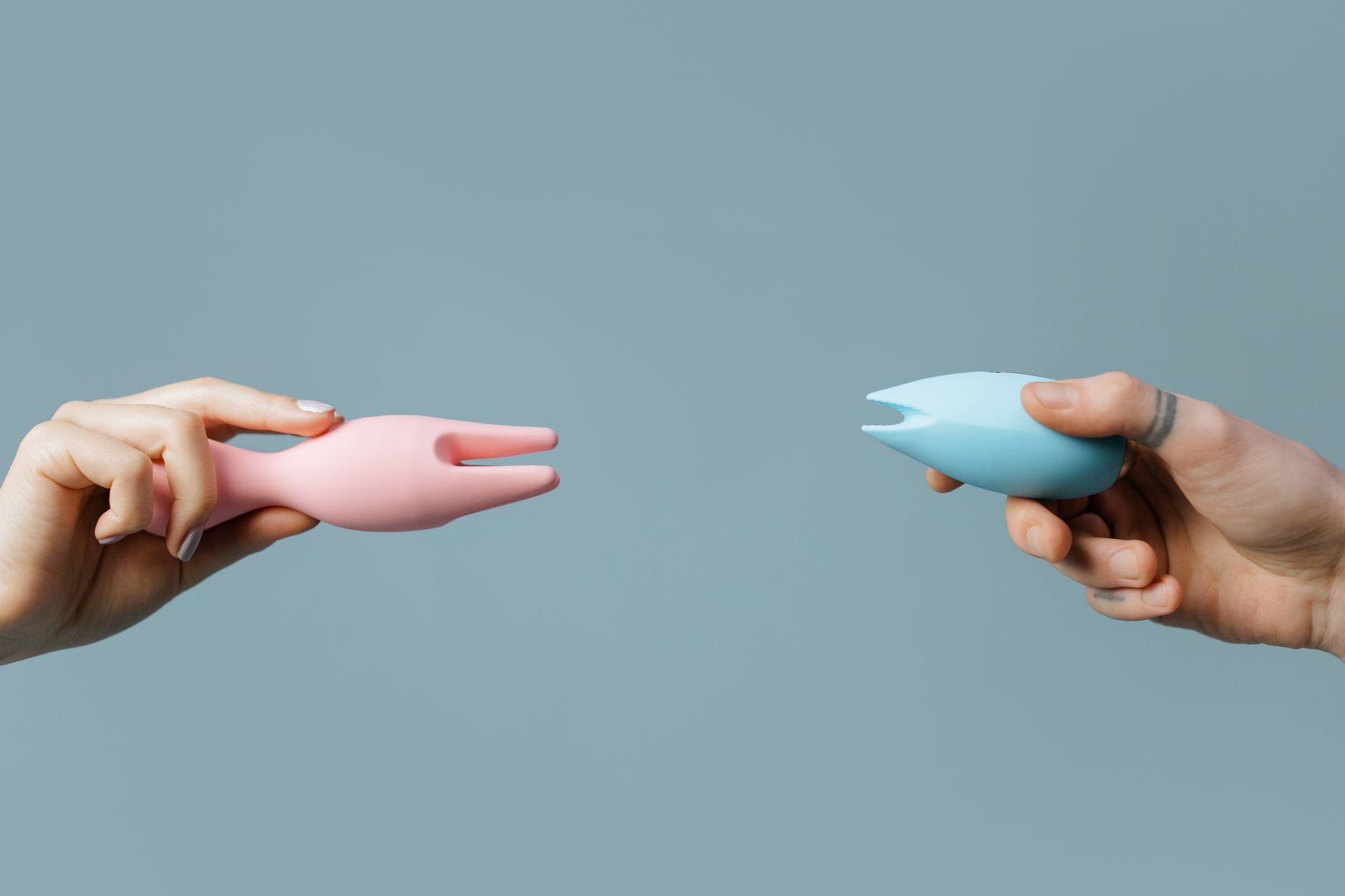
Photo by cottonbro studio on Pexels
The mental loop you need to break
One of the biggest traps after a breakup is the narrative: "I only enjoy sex with a partner. This means I'm dependent. This means I failed at the relationship." That's not true, and it's not helpful.
Depending on a partner for pleasure is normal in a relationship. It doesn't mean you're broken. It means you're human. Your nervous system adapted to that relationship. Now it needs to adapt again. That's not failure. That's resilience.
The anxiety that shows up when you try to pleasure yourself solo isn't a sign you should avoid it. It's a sign you need to move through it slowly, with something consistent and reliable. That's where lemon vibrators excel. They're simple, predictable, and they work. <a href="/blog/how-to-start-using-lemon-vibrators-if-youve-never-tried-one-before">If you've never used a lemon vibrator before, the learning curve is minimal.</a>
When to get professional support
If your pleasure anxiety is paired with dissociation, numbness that doesn't improve after a few weeks, or intrusive thoughts that spiral when you try to be intimate with yourself, that's worth talking to a therapist about. Breakup trauma is real. Your nervous system might need more support than a vibrator alone can offer.
Similarly, if you find yourself using solo pleasure as avoidance of grief (versus as genuine pleasure reconnection), pause and notice that. Pleasure and healing aren't the same thing. Sometimes they overlap, but sometimes your nervous system needs to process loss first before pleasure can come back fully.
The bigger picture
Rebuilding solo pleasure after a breakup isn't selfish. It's essential. It's how you remind yourself that your body belongs to you, that your orgasm isn't contingent on someone else's presence, and that you're whole on your own. Lemon clitoral vibrators help with that rewiring because they're designed to work independently, predictably, and effectively.
Your pleasure matters. Not as a substitute for connection, but as a core part of your autonomy. When you rebuild that connection with your own body, you're not just healing from the breakup. You're building the foundation for whatever comes next, whether that's future partnership or a deeper relationship with yourself.
FAQ: Pleasure Anxiety and Lemon Vibrators
Why does thinking about solo pleasure make me panicky after a breakup?
Your nervous system learned to associate pleasure with your partner's presence. When that presence disappears, your brain interprets the absence as threat, which triggers anxiety. This is neurological, not psychological weakness. Your parasympathetic nervous system (the one that allows arousal) is competing with your sympathetic nervous system (fight-or-flight response). Anxiety wins when you're still processing loss. Using a lemon vibrator with low pressure and no performance expectation helps your nervous system slowly learn that pleasure can exist solo.
How long does it take to feel normal pleasure again after a breakup?
There's no universal timeline, but most people notice a shift after 6-12 weeks of consistent gentle solo exploration. The nervous system rewires slowly. You might feel pleasure return in waves at first. Some days the lemon vibrator feels amazing. Other days you feel numb. That's normal. Keep showing up without judgment. Consistency matters more than intensity.
Should I avoid solo pleasure while I'm grieving, or does using a lemon vibrator help the healing process?
They're not mutually exclusive. Grief and pleasure can coexist. What matters is intention. If you're using the vibrator to avoid feeling loss (dissociation), that's one thing. If you're using it to reconnect with your body and rebuild trust in your own capacity for pleasure, that's healing. Ask yourself: am I running from something, or moving toward something? The answer changes the impact.
Can using a lemon vibrator after a breakup make me dependent on toys for pleasure?
No. What actually happens is the opposite. When you use a vibrator to rebuild solo pleasure, you're proving to yourself that you can have orgasms independently. You're not dependent on a partner or on the vibrator. You're practicing autonomy. Some people find they enjoy vibrators forever. Others use them for a season and move on. Both are fine. The tool isn't the dependency. The dependency is the belief that you need someone else.
What if using a lemon vibrator brings up sadness or memories of my ex?
That's actually good information. It means your nervous system is processing something. Pleasure and grief can show up together in the body. If sadness comes when you use the vibrator, you don't have to push through it. Pause, feel it, let it move through. You might notice that after you let the sadness exist, pleasure comes back more easily the next time. The vibrator isn't causing the sadness. It's just creating space where it can surface and release.
Is it normal to feel less sensation from a lemon vibrator after a breakup compared to during my relationship?
Completely normal. Anxiety numbs sensation. Grief numbs sensation. Your nervous system is in protective mode. The lemon vibrator might feel gentle or distant for a while. That's okay. Lower sensitivity doesn't mean the tool doesn't work or that something's wrong with you. Keep using it on low settings without expectation. As your nervous system settles, sensation returns.
Your breakup didn't break your capacity for pleasure. It disrupted your nervous system's expectations. Rebuilding that connection solo, at your own pace, with a tool as simple and reliable as a lemon vibrator, is one of the most powerful acts of self-trust you can do. That matters. Your pleasure matters. And you're whole on your own.