
How Lemon Vibrators Help When Sensation Feels Numb After Long-Term Use
Let's be real. If you've been using the same vibrator regularly for months or years, you've probably noticed it stopped feeling as intense. You turn it up to the highest setting and think, "Where did that go?" It's not broken. You're not broken. Your nerve endings are just tired.
This is called sensory adaptation, and it's completely normal. Your body gets used to the same signal over and over, so the sensation flattens. But here's the thing nobody talks about: it's reversible. And sometimes, the way back is simpler than you think.
What's actually happening in your nervous system
Your clitoris has between 8,000 and 10,000 nerve endings packed into a tiny area. When you use the same vibrator at the same frequency and intensity repeatedly, those nerves stop firing as enthusiastically. It's not fatigue exactly. It's more like your nervous system learned to filter out the signal because it stopped being novel.
Think of it like living on a loud street. The first month you notice every siren. After a year, you sleep through them. Your hearing is fine. Your brain just stopped treating the noise as urgent information.
The tricky part is that this isn't just about sensation. After a while, numbness can feel normal. You might not even realize your pleasure has dimmed until you try something completely different and suddenly feel everything again.
Why it sneaks up on you
Sensory adaptation happens gradually. You don't wake up one day unable to feel anything. Instead, you gradually crank the intensity higher, or extend sessions longer, or use your toy more frequently. Each change feels reasonable in the moment. But over time, you've shifted the goal post so far that pleasure starts to feel like a chore instead of something that actually satisfies you.
There's also a psychological layer. If you've been in a long-term sexual routine with a partner or with your own body, habit can feel like numbness. You're going through the motions, but your mind's somewhere else. That's different from actual nerve desensitization, but the experience feels identical from the inside.
The reset principle that actually works
Here's what helps: strategic breaks, then introducing different sensations.
A complete break from vibrators for 1-4 weeks can help reset your baseline sensitivity. But I'm not suggesting you have to give up pleasure entirely. What I mean is pausing the specific tool that stopped working.
Once your nerves have had time to recalibrate, introducing a different type of stimulation is the real game-changer. This is where lemon clitoral vibrators fit in perfectly.
Why lemon vibrators feel so different
Most people's first vibrator is a wand or a traditional bullet. Both deliver sustained, broad vibration at consistent frequencies. If you've been using one of those for years, your clitoris has learned that pattern cold.
Lemon clitoral vibrators work on a completely different principle. They use gentle suction and pulsing rather than pure vibration. When you switch from a wand to a lemon clitoral vibrator like the Lem, you're essentially speaking a new language to your nerve endings.
That difference in sensation feels novel again. It's not because the lemon vibrator is necessarily stronger. It's because your nervous system hasn't adapted to this specific pattern yet. You're waking up nerves that stopped paying attention.
Many people report that lemon clitoral vibrators feel more intense when they've been numb to other toys, even though they're technically delivering lower peak vibration. That's purely because the sensation is unfamiliar and your nervous system hasn't built up a tolerance.
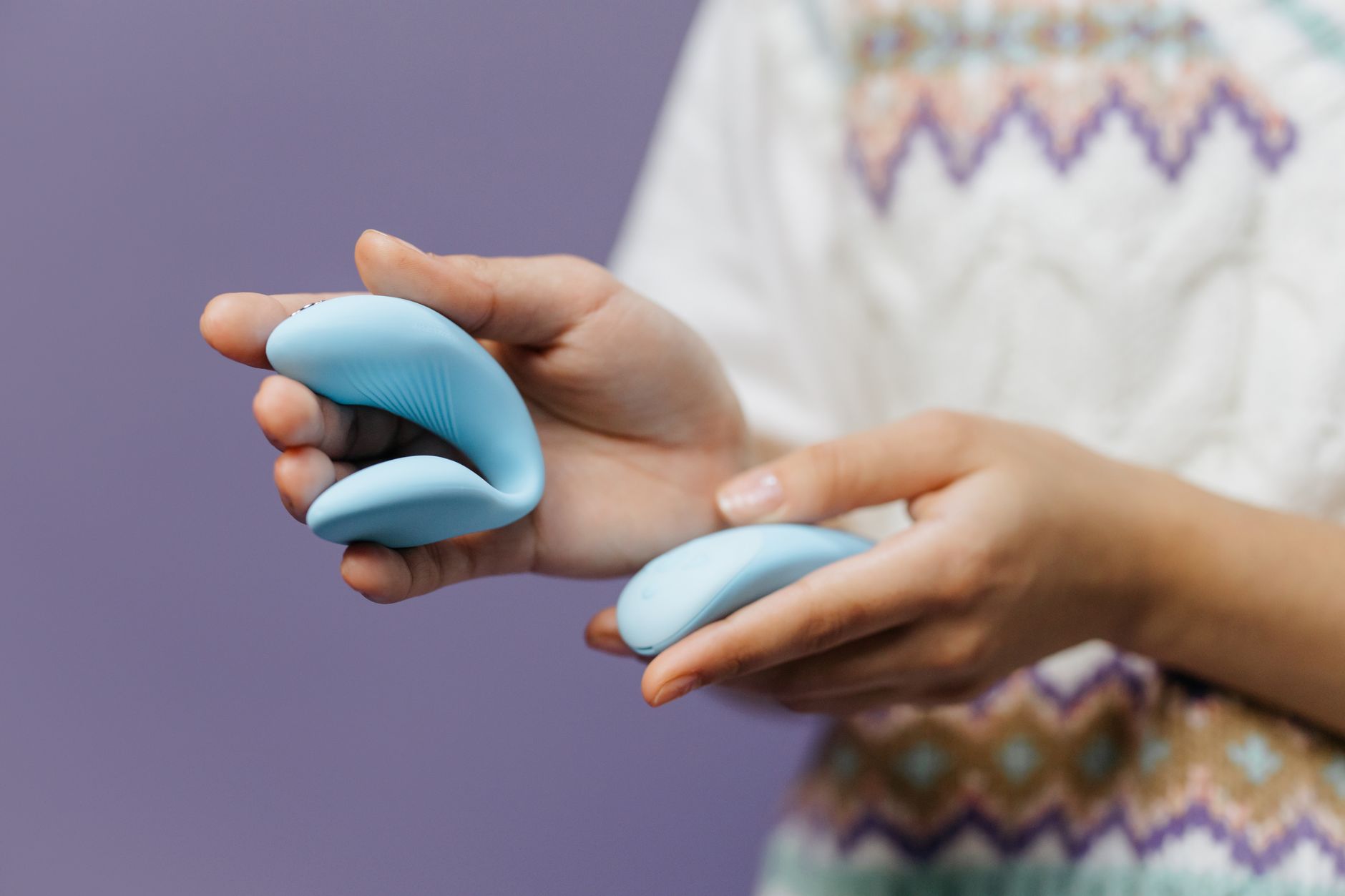
Photo by cottonbro studio on Pexels
The practical reset timeline
Week 1-2: Take a complete break from vibrators. This doesn't mean you can't pleasure yourself. Just explore non-vibrator methods. This gives your nerves actual time to reset.
Week 3: Introduce the new sensation slowly. Start at the lowest setting on your lemon vibrator. Spend time with just the sensation without the pressure to orgasm. Notice what you actually feel.
Week 4+: As sensitivity returns, you can explore different intensities and patterns. But the key is not rushing back to maximum speed on the first day.
Combining this with other reset strategies
Vibrator breaks work better when you layer in other changes. Here's what I recommend to clients:
Change your environment. If you always use a vibrator in the same room, the same time of day, the same position, your brain's not getting any new information. Try somewhere different. A different time. Different lighting. Small context shifts signal to your nervous system that something new is happening.
Mindfulness actually matters here. Most of us use vibrators while scrolling, or half-paying attention, or rushing to finish. When you're numb, divided attention makes it worse. Bring your focus back to sensation. Notice temperature, texture, the exact angle that feels best. Your attention is data to your nervous system.
If you have a partner, this is worth communicating about. You're not broken, and they're not doing anything wrong. You're just recalibrating. Many couples find that taking a break together and then reintroducing toys as exploration rather than routine actually deepens intimacy.
When numbness points to something else
If you've tried a vibrator break and a new sensation, and nothing feels right, it might not be sensory adaptation. Certain medications, hormonal birth control, stress, and depression all numb sensation. Some of these are reversible with a medication change or dosage adjustment. Others require different strategies entirely.
If numbness is accompanied by pain, tingling, or felt in other areas of your body too, check in with a doctor. That's not typical sensory adaptation. That's something worth professional input.
Similarly, if numbness is paired with depression or disconnection from your body generally, pleasure tools aren't the main fix. That's worth talking through with a therapist. Lemon clitoral vibrators are wonderful, but they're not a substitute for mental health support.
The truth about sensation and time
Your ability to feel pleasure isn't fixed. It changes. Sometimes vibrators stop working. Sometimes new ones feel miraculous. Sometimes you need a break. Sometimes you need to bring your whole self, your attention, your vulnerability, to the experience.
Sensory adaptation isn't failure. It's information. It's your body telling you it's time for something different. Listen to that signal. Take the break. Try a new sensation. Let yourself feel like a beginner again, even if you've been doing this for years.
You deserve sensation that actually feels good. Sometimes getting there just means switching things up.
People also ask
How long does it take for vibrator numbness to go away?
Most people notice their baseline sensitivity returning within 1-4 weeks of taking a vibrator break. Some feel the shift faster. The timeline depends on how long you've been using the same toy and how frequently. If you were using a vibrator daily for years, it might take closer to a month. If it's been occasional, a couple of weeks often does it. The key isn't just time though. It's introducing a genuinely different sensation afterward, like switching to a lemon clitoral vibrator, so your nervous system gets a fresh signal.
Can you become immune to lemon vibrators too?
Yes, absolutely. Any vibrator or toy can eventually hit a sensory adaptation ceiling if you use it the same way forever. But because lemon clitoral vibrators use a different mechanism (suction-based rather than pure vibration), it takes longer to adapt than to something you've already gotten numb to. The benefit of varying your toys is that you can cycle through different sensations, keeping your nervous system engaged. Rotation is your friend here.
Does using vibrators on high settings faster cause numbness?
It can accelerate it, but it's not the main culprit. Using the same intensity every time, whether it's high or low, is what causes adaptation. Your nervous system needs novelty. That means varying patterns, intensities, durations, and even the type of stimulation entirely. If you always go to max setting, your nerves accommodate to that specific signal faster than if you mix high and low.
What should I do during a vibrator break if I still want to masturbate?
Explore non-vibrator touch. Use your hands. Try different pressures, rhythms, temperatures. Some people love the texture of certain fabrics. Others use ice or warm water for temperature play. Manual stimulation feels different from vibration, and it actually helps reset sensitivity because you're engaging different nerve pathways. The goal isn't to avoid pleasure during the break. It's to give your nervous system a break from the specific signal it's adapted to.
Is numbness after long-term vibrator use permanent?
No. Sensory adaptation is completely reversible. Your nerve endings aren't damaged. They're just filtered. Once you take a break and reintroduce novelty, sensitivity comes back. I've worked with clients who felt completely numb for months and were amazed at how quickly sensation returned after switching to something like a lemon clitoral vibrator or taking a genuine break from all vibration.
Can I speed up the reset by using multiple toys at once?
Mixing sensations can help, but it's not a shortcut to reset. If both toys are delivering familiar signals, stacking them together doesn't create true novelty. That said, combining a lemon vibrator with manual stimulation, or with a different intensity toy, does give your nervous system layered information. The real speedup comes from taking the break first, then introducing something genuinely different like switching from a wand to a lemon sucker.
Next steps
If you've been numb to vibration for a while, the path forward is usually straightforward. Take a break, reintroduce novelty, and pay attention to what actually feels good in your body right now. Your pleasure deserves fresh engagement, not autopilot.
Have questions about finding the right lemon vibrator for your sensitivity level, or want to talk through what's been happening with your sensation? Reach out to us. We're here to help you feel like yourself again.