Let's talk about what's actually happening
Lubrication changes with age. That's not a myth, not a sign of dysfunction, and definitely not a deadline. What it is is a straightforward biological shift that changes how sensation feels, which means it changes what works. The good news? Lemon vibrators work brilliantly for exactly this phase of your life.
Here's the honest part: vaginal lubrication naturally decreases over decades due to shifting hormone levels, changes in blood flow, and evolution in how your tissues respond to arousal. This happens gradually, and it happens differently for everyone. Some people notice it in their late forties. Others don't experience significant change until their sixties or beyond. Both are completely normal.
What matters is understanding what this actually changes about pleasure, and what stays exactly the same.
The physical shift and why it matters
When lubrication decreases, two things happen. First, there's less natural moisture, which means friction-based stimulation can feel intense or uncomfortable more quickly. Second, the tissue itself becomes more delicate. That's not weakness. It's just a different texture, and it requires a slightly different approach.
But here's what doesn't change: your clitoris is as sensitive as ever. The neural pathways are intact. The capacity for pleasure hasn't diminished. You're not less capable of orgasm. You're simply experiencing the same sensation through a body that's shifted slightly.
This is where lemon vibrators become genuinely useful. Unlike friction-based toys or fingers, clitoral vibrators like those from Lemon Wand use rapid, directed stimulation that doesn't rely on moisture to feel good. The vibration itself does the work, which means you get consistent sensation without the pressure of friction wearing on delicate tissue.
Why vibration works better than friction when lubrication is low
Think of it this way: friction requires surface movement. Vibration creates stimulation through rapid oscillation in a smaller space. When your tissues are less lubricated, friction can feel raw or exhausting. Vibration, by contrast, stimulates the nerve endings without that grinding sensation.
A lemon clitoral vibrator sits against your clitoris and delivers consistent, targeted sensation. There's no dragging. No repetitive friction that builds irritation. Just focused stimulation that lets your body respond at its own pace.
Most people find that they need gentler intensity than they did at younger ages, and that's completely fine. Starting at lower settings and gradually increasing speed gives your body time to respond without overwhelming sensitive tissue. Many of my clients report that by the time they're in their fifties, sixties, or beyond, they're experiencing some of the most intense orgasms of their lives. Not in spite of the physical changes, but because they've adapted their approach.
Lubrication support that actually helps
Water-based lubricant is your friend here, but not because you're broken or dry. Think of it as an efficiency tool. A small amount of lubricant reduces any remaining friction and makes the sensation more consistent. It also protects your tissue, which becomes more fragile as estrogen decreases.
Here's what I recommend: use a water-based lube every time, even if you're producing some natural lubrication. It's not an admission of anything. It's an optimization choice. Apply it to your clitoris and the tip of your vibrator before you begin. Reapply if you're going for longer sessions.
Silicone-based lubes feel richer and longer-lasting, but they can degrade silicone toys over time. Stick to water-based. It absorbs a bit faster, but it's gentler on your tools and your body.
The role of arousal time and patience
One shift that often comes with aging is that arousal takes longer to build. This isn't something to fight. It's something to plan for.
Budget extra time for warm-up. Twenty to thirty minutes of foreplay or solo exploration before you bring a vibrator in lets your body naturally increase blood flow to your genitals, which helps with natural lubrication and sensitivity. You might touch yourself, receive oral sex from a partner, or simply spend time with a partner without immediate focus on penetration or orgasm.
Then, when you introduce the vibrator, your body is already primed. The sensation registers more strongly. The experience is richer. You're not rushing against time or forcing a response. You're working with your body's actual timeline.
Many people in their fifties and beyond find that this slower pace actually increases satisfaction. There's less pressure. More presence. More room for exploration.
When to add extra support
If dryness is severe enough that it's painful, that's genitourinary syndrome of menopause (GSM), and it's worth mentioning to a healthcare provider. Topical estrogen creams work quickly and have minimal systemic absorption. A couple of months of treatment can be genuinely transformative.
If you're on medications that affect lubrication (like SSRIs or antihistamines), talk to your doctor about whether adjusting timing or dosage might help. Sometimes moving your dose to evening can reduce daytime side effects.
And if you're considering hormone therapy for other menopause symptoms, one of the side benefits is often improved lubrication and tissue thickness. It's worth discussing as part of the bigger picture.
But for most people, the combination of patience, lubrication, and the right vibrator is genuinely all you need.
Why lemon vibrators specifically
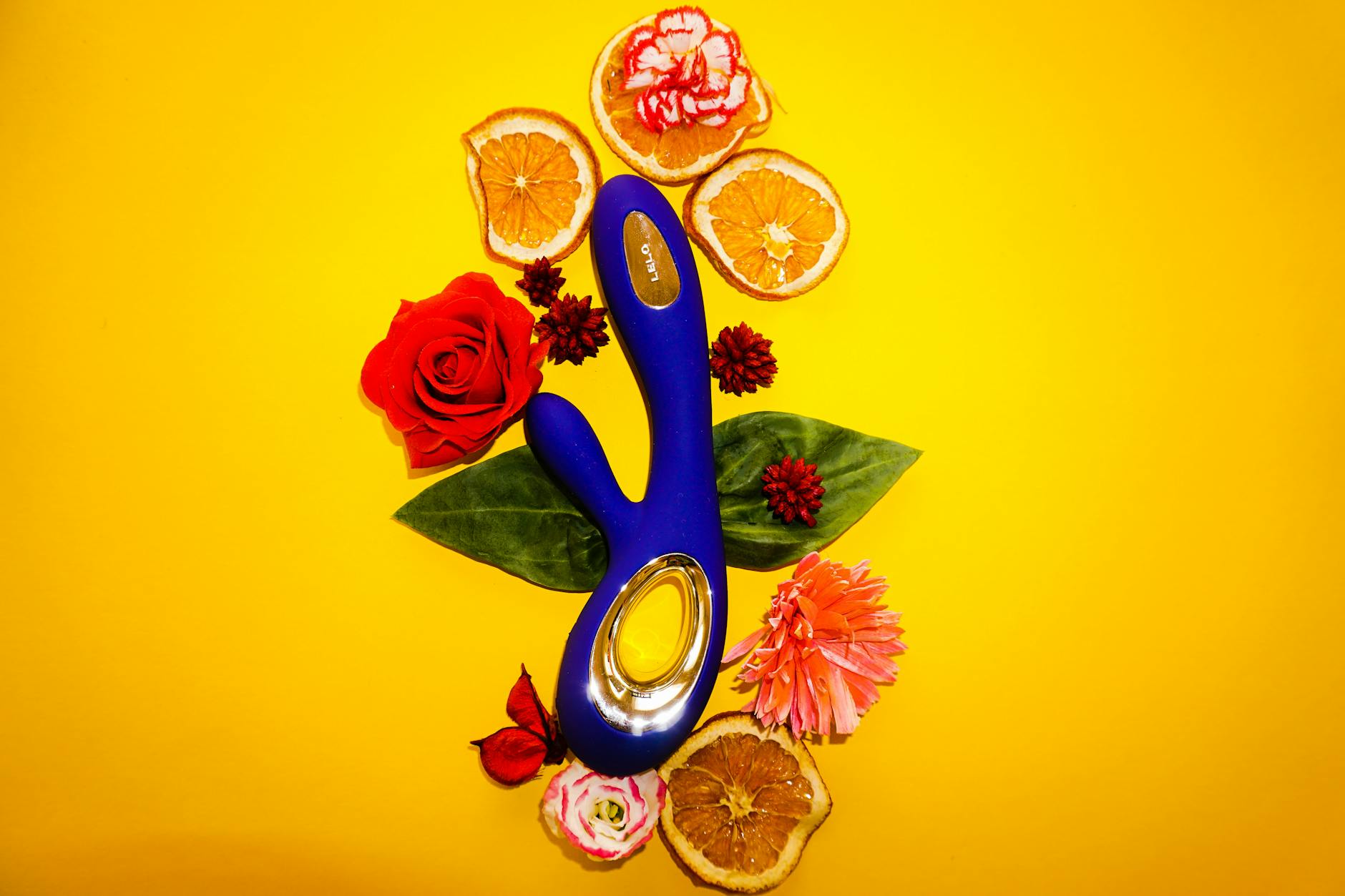
I mention Lemon Wand's lemon clitoral vibrator because it's designed for precisely this scenario. The suction and vibration combination stimulates without requiring friction. The intensity is controllable, which matters when your tissues are more delicate. And the shape gives you options: direct contact, angled contact, or lighter peripheral stimulation depending on what your body wants on any given day.
You're not locked into one approach. You're working with a tool that adapts to your needs.
The mental shift that matters most
Here's what I see most frequently in my work: the biggest barrier to pleasure in midlife and beyond isn't the physical change. It's the belief that the physical change means something has ended.
It hasn't. It's shifted. And honestly? Most people I've worked with who've embraced the shift rather than fought it report more satisfying pleasure on the other side.
Your body deserves attention and exploration at every age. Lubrication changes. Tissue changes. Hormone levels change. Your capacity for pleasure and your right to pursue it do not.
FAQ: Age, Lubrication, and Lemon Vibrators
At what age does vaginal lubrication typically decrease?
It varies widely, but most people notice changes starting in their late forties or fifties. Some people experience significant shifts in their early forties, others not until their sixties. It's not about age so much as individual hormone fluctuation. If you're taking hormonal birth control, that can also affect lubrication independent of age. There's no standard timeline.
Is reduced lubrication a sign that I shouldn't be having sex or using vibrators?
Absolutely not. Reduced lubrication is a signal to adjust your approach, not to stop. Water-based lubricant, longer warm-up time, and vibrator-based stimulation (which doesn't rely on friction) are all simple adaptations that let you continue exploring pleasure. Stopping sexual activity doesn't improve lubrication. Activity, with the right support, often does.
Will using a lemon clitoral vibrator feel uncomfortable if I'm not naturally lubricated?
No. Because vibrators don't rely on friction, they work well with minimal natural lubrication. Adding water-based lube before you begin creates a smooth, consistent sensation. Many people find vibration more comfortable than friction-based stimulation when lubrication is low. You might feel a difference in sensation intensity compared to earlier years, but discomfort shouldn't be part of it.
Can I use a lemon vibrator if I'm on medications that dry me out?
Yes. SSRIs, antihistamines, and some blood pressure medications can reduce lubrication, but they don't change your ability to have pleasure with the right tools and support. Water-based lube and vibration work just as well whether the dryness is age-related or medication-related. If dryness is severe, talk to your doctor about whether timing adjustments or topical estrogen might help.
How often should I use lube when using a lemon clitoral vibrator?
Every time is my recommendation, even if you're producing some natural lubrication. Think of it as standard practice, not a workaround. A small amount on your clitoris and the vibrator tip creates consistent sensation and protects delicate tissue. Reapply if you're going for extended sessions. Water-based lube absorbs gradually, so you might need to refresh partway through.
Does using lemon vibrators help increase natural lubrication over time?
Increased sexual activity and arousal do naturally increase lubrication, so regular use can help. Regular stimulation also improves blood flow to the area, which supports tissue health and responsiveness long-term. But the main benefit isn't that vibrators will "fix" low lubrication. It's that they work brilliantly without relying on it, so you can maintain sexual pleasure regardless of lubrication levels.
Sources and Further Reading
If you're curious about the science behind these shifts, the American College of Obstetricians and Gynecologists has clear resources on vaginal aging and GSM. The work of Dr. Laurie Mintz on clitoral stimulation and pleasure is excellent reading for understanding why vibration-based approaches work so well across different bodies and ages. And if you're navigating this transition with a partner, relationship researcher Dr. John Gottman's work on emotional intimacy and physical reconnection offers grounded, practical frameworks.
Your pleasure matters at every stage. The changes you're experiencing aren't an ending. They're an invitation to explore what works for your body right now. A lemon vibrator is just one tool for that exploration. But it's a tool that understands exactly what your body needs.
If you'd like to explore how lemon clitoral vibrators work for your body specifically, reach out to the team at Lemon Wand. We're here to help you find what feels right.