Let's talk about what no one prepares you for
Your OB told you when you could go back to work. They told you when you could lift things, when you could swim, when the scar would fade. Nobody told you when pleasure would come back. And honestly, that gap in information is where a lot of people get stuck.
Vaginal surgery—whether it's a hysterectomy, pelvic reconstruction, cyst removal, or repair—changes the landscape temporarily. The nerves need time to wake up. The tissue needs time to remodel. And your brain needs time to trust your body again. That last part is the one most surgeons don't mention, but it's where the real work happens.
What happens to sensation during recovery
When a surgeon works inside the vaginal area, they're reorganizing tissue, moving things around, sometimes removing structures entirely. This disrupts the nerve pathways that carry sensation to the brain. It's not permanent—the nervous system is remarkably good at rewiring itself—but it takes time. And it takes the right kind of input.
The first 6-8 weeks post-surgery are typically about physical healing. The tissue is inflamed. The scar is forming. Touching the area at all might feel wrong, or numb, or painful. This is normal and expected. But around weeks 8-12, something shifts. The inflammation begins to settle. The scar starts to soften. And people often report that sensation begins trickling back in.
Here's the thing that surprises most people: sensation doesn't come back evenly. One area might feel hypersensitive while another feels completely numb. You might feel pressure but not pleasure, or vice versa. Your clitoris might feel muted compared to before. This is your nervous system recalibrating, and it's actually a good sign.
Why gentle, consistent stimulation matters
The fastest way to reawaken sensation is to introduce gentle, consistent input. Your clitoris has thousands of nerve endings, and those nerves are waiting for signals. They've been through trauma (surgical trauma, even though it was necessary), and they need to be reminded that touch means pleasure, not pain.
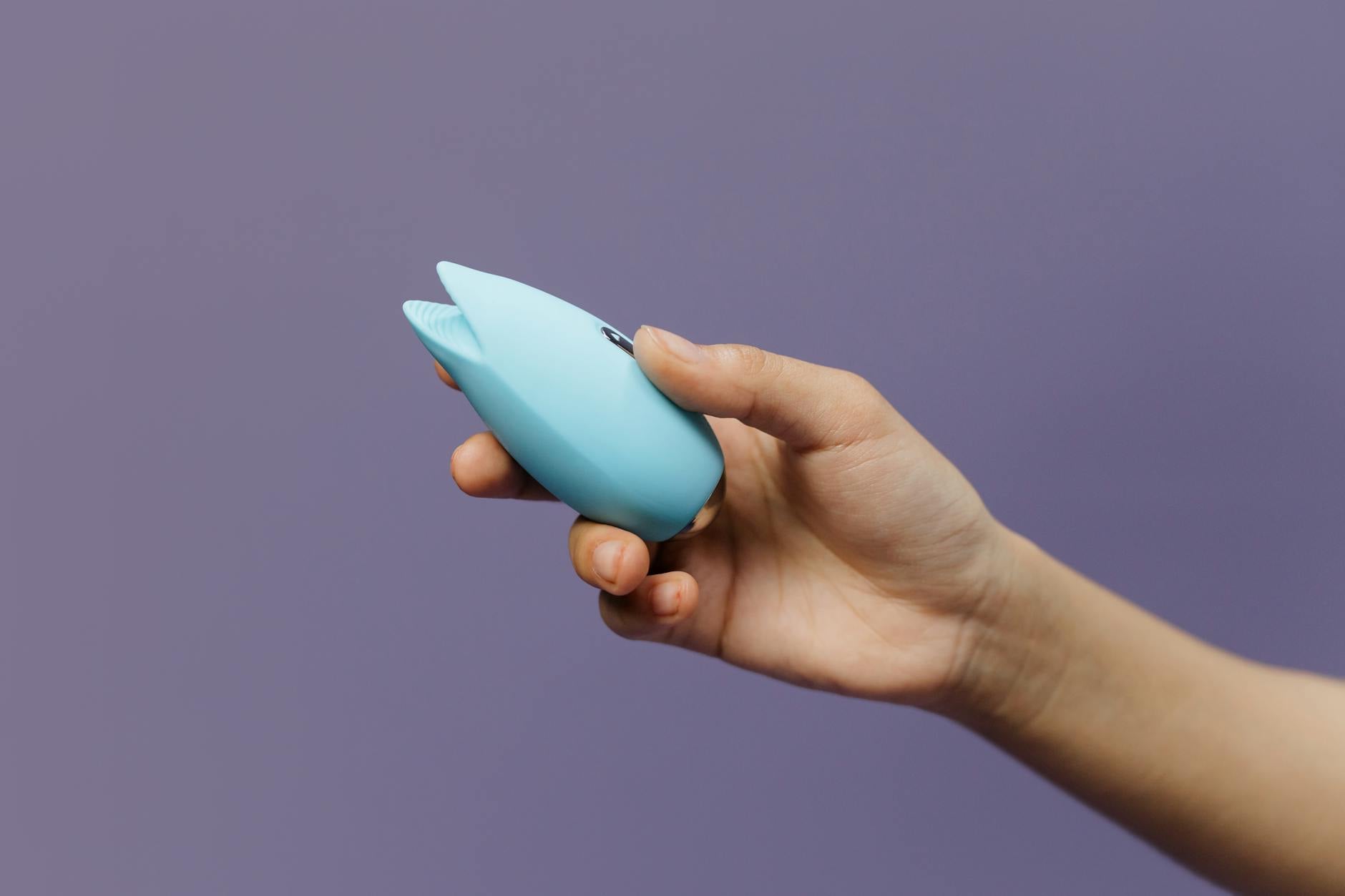
This is where lemon vibrators—and specifically the design of air-suction devices like the Lem—become invaluable. Here's why:
Suction doesn't rely on friction pressure. After surgery, direct vibration or pressure can feel too intense. Suction works differently. It stimulates the nerve endings through gentle pulling and pulsing rather than direct contact. For tissue that's still healing, that's a game-changer.
The stimulation is consistent. Your hand can't replicate the steady pulse of a device. Consistency teaches your nervous system to expect pleasure and to relax. After the stress of surgery, that predictability is genuinely therapeutic.
You control the intensity. Lemon clitoral vibrators have multiple settings. You start low—pattern 1 or 2—and let your body adjust. No performance pressure, no guessing. Just responsive, incremental feedback.
It's separate from partner dynamics. If you have a partner, using a device solo during recovery keeps pleasure exploration independent from relationship pressure. You're not worried about someone else's experience. You're just reconnecting with your own body.
The timeline that actually makes sense
Here's a realistic picture of what the recovery arc looks like for most people.
Weeks 0-6: Do not touch. Your surgeon's advice stands. Let the body do what it knows how to do. Patience now saves complications later.
Weeks 6-8: Gentle exploration, no stimulation. Once you get clearance, you might start noticing how the area feels. Washing gently. Feeling the new landscape. There's no expectation of pleasure yet. You're just reacquainting yourself with your own body.
Weeks 8-12: Introduce light input. This is when many people try external touch or gentle vibration for the first time post-surgery. It might feel strange, numb, or unexpectedly intense. All of that is normal. Short sessions—2 to 5 minutes—are better than long ones. You're teaching your nervous system to recognize sensation again.
Weeks 12-16: Increase gradually. If light stimulation felt okay, you can explore a bit longer and slightly higher intensity. This is often when people find lemon vibrators particularly helpful. The Lem's suction technology feels gentler than traditional vibrators, and it's often the first time post-surgery that people feel actual pleasure return.
After 16 weeks: You're rebuilding. By this point, most people have enough sensation back that they can explore what feels good. It might not feel identical to pre-surgery sensation, and that's okay. Sometimes it feels better.
What to expect emotionally (it's not just physical)
Here's something I see in my practice constantly: people expect the emotion to match the body. If the body is healed, they expect to feel ready for pleasure. But recovery is not linear, and your brain often needs more time than your tissue does.
You might feel anxious about whether sensation will come back. You might feel resentful about the time it's taking. You might feel disconnected from your own body. You might feel pressure from a partner to move faster than feels right. All of that is real, and none of it means something is wrong.
Using a device like a lemon vibrator during this time is as much about psychological permission as it is about physical stimulation. It's you saying to your body: I'm here. You're worth caring for. Pleasure is still possible. That message, repeated consistently, is how the nervous system learns to relax.
When to reach out for extra support
Most people move through this timeline smoothly. But some don't, and that's information worth paying attention to.
If pain increases over weeks instead of decreasing, talk to your surgeon. If numbness persists beyond 4-5 months, that's worth mentioning at your next checkup. Some surgical sites create scar tissue that interferes with sensation long-term, and there are treatments for that. If you're trying stimulation and it triggers anxiety or flashbacks related to the surgery itself, a trauma-informed therapist can help.
And if your partner is pushing you to return to sex before you feel ready, that's worth addressing directly. This is your recovery. You set the timeline.
The upside nobody talks about
Here's what I've seen repeatedly: people who rebuild pleasure slowly after surgery often report that their sensation comes back sharper than before. They're more aware of what feels good because they've had to pay attention. They're more protective of their pleasure because they know what it's like to lose it temporarily. And they often have deeper conversations with their partners about intimacy because they've had to be explicit about what they need.
Using lemon vibrators during recovery isn't a shortcut. It's a tool that makes the actual work of recalibration easier and more consistent. Your nervous system needs input, time, and permission. Devices designed with post-surgical bodies in mind—like air-suction lemon clitoral vibrators—give you exactly that.