Let's start with the obvious part
If you haven't touched pleasure in a while.maybe years.your body isn't broken. It's just been dormant. And the weird part? That dormancy actually changes what sensation feels like when you return.
I've worked with plenty of clients who stepped away from their own pleasure for reasons that made total sense at the time: a breakup that felt too raw, depression that flattened everything, caregiving that left zero bandwidth, religious stuff, trauma, just being too busy. And then one day.maybe because they're single again, or the kids left for college, or they just got tired of the numbness.they wanted to come back.
The expectation is usually that pleasure will feel like it did before. It won't. And that's actually useful information.
What happens to sensitivity after a long pause
When you haven't engaged your pleasure nerves for months or longer, a few things happen at the tissue level.
First, the neural pathways don't vanish.they just get a little quiet. Sensation is still there, but the signals take longer to register. Your clitoris has roughly 8,000 nerve endings, and they're all waiting for you.but they're patient. They don't atrophy like muscles.
Second, your arousal response is slower. This isn't damage. It's your nervous system being cautious. After a long break, your body might be a little protective.especially if the reason you stepped away was stress or trauma. It takes time for your nervous system to trust that pleasure is safe again.
Third.and this surprises people.the absence itself changes what sensation feels like. When you come back, intensity can feel shocking in a way it didn't before. Not better, not worse.just different. Louder. More present.
Why lemon clitoral vibrators feel strange at first
Lemon vibrators work through gentle suction and pulsing rather than traditional vibration. That's what makes them so good for sensitive tissue and for people returning after a break.
But here's the catch: that suction sensation requires your body to be ready to feel it. If you haven't engaged with pleasure in a while, the suction might feel intense.or even uncomfortable.at first. Not because lemon vibrators are too strong.they're actually gentler than many options.but because your nervous system needs a second to remember what this feels like.
Many clients tell me their first experience back feels almost tender. Like their clitoris is slightly raw just from being neglected, even though it's objectively fine. Using a lemon vibrator on pattern 1 or 2 for short sessions.five to ten minutes.helps your body ease back in without triggering that protective response.
The mental piece matters more than you think
Honestly? The bigger shift is usually mental, not physical.
After months or years away, coming back to pleasure carries a lot of baggage. If you stepped away because of relationship stuff, there's shame wrapped up in it. If you stepped away because of depression, there's grief.because pleasure is proof that you're healing, and healing can feel heavy. If you stepped away because you were drowning, there's resistance.like your body doesn't trust that this is actually a priority now.
I see this constantly in my practice. A client comes in saying "I used to orgasm easily, now I can't." When we dig deeper, what's actually happening is they've got a background anxiety running the show. Their nervous system is still in protective mode.
For this, lemon vibrators are genuinely useful because they don't require performance. You don't have to build to anything. You don't have to chase the finish line. You can just sit with the sensation for as long as feels good.which is often what your nervous system needs when you're returning.
How to restart without overwhelm
Here's what actually works based on working with hundreds of people in this exact position.
Start with exploration, not orgasm as the goal. Spend two or three sessions just getting reacquainted with what sensation feels like on the lowest setting of your lemon vibrator. Five minutes is enough. You're not trying to come.you're remembering.
Second: water-based lubricant makes a massive difference. After a long break, tissue sensitivity increases.even tissue that hasn't physically changed. Lube isn't about friction, it's about gentleness. It tells your body you're being thoughtful.
Third: don't rush back to what you "used to like." Your body has changed. What felt perfect five years ago might feel jarring now. Give yourself permission to discover what feels good right now, which might be totally different. Maybe that's pattern 2 on a lemon clitoral vibrator instead of pattern 5. Maybe that's ten minutes instead of thirty. Maybe it's solo instead of partnered. All of it is valid.
Fourth: expect that orgasm might take a while to return.or might feel different when it does. The first orgasm after a long absence often feels smaller or more internal than you remember. That's not failure.that's your nervous system gently waking up. Subsequent sessions usually rebuild from there.
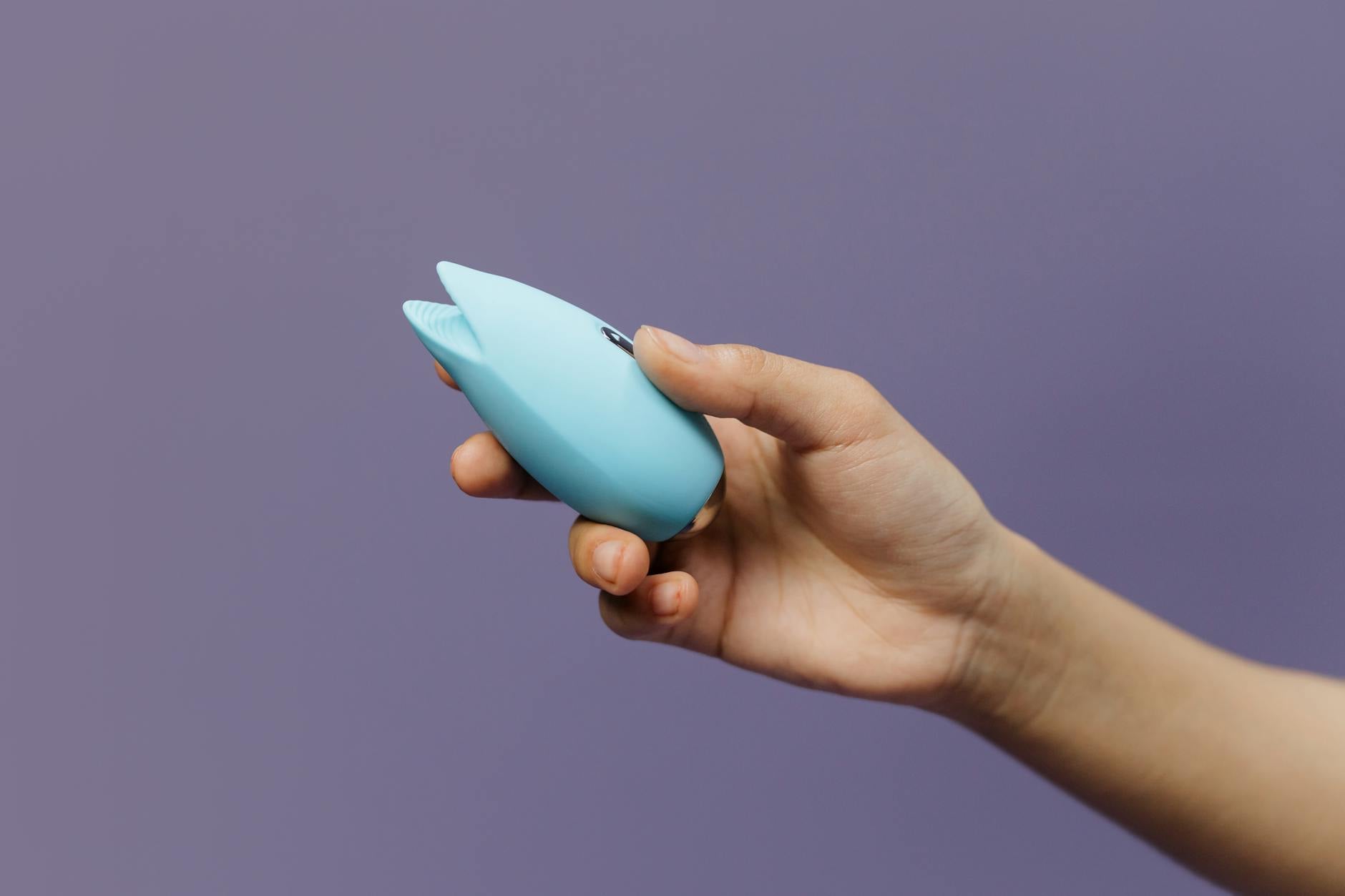
Photo by cottonbro studio on Pexels
Why timing and spacing matter
If you're coming back after a break, don't try to make up for lost time with marathon sessions. Your nervous system will actually shut down harder if you push too fast.
Better approach: consistent small exposures. Twice a week for ten minutes beats once a week for thirty. Your nervous system learns through repetition that pleasure is available and safe. That builds momentum in a way that intense single sessions don't.
Take breaks between sessions.at least a couple of days.so your nervous system has time to process that nothing bad happened. This sounds backwards, but it's how your brain learns to trust again. Consistency plus space equals safety.
What changes after you've been back for a few weeks
After three or four weeks of regular but gentle engagement, most people notice a pretty stark shift. Sensation starts feeling familiar again. Your clitoris seems more awake.the response gets faster. Arousal builds more easily.
This is also when you might start experimenting with different patterns on your lemon vibrator, or exploring what works with a partner if you're in that phase of returning. But you can only get here by going through the first part patiently.
I also notice that people report feeling less shame about the time away. It's like returning to pleasure itself.actually returning and feeling it.rewrites the story. Instead of "I lost years," it becomes "I took time, and now I'm building something different."
The permission part
Here's what matters most: you don't owe anyone an explanation for stepping away, and you don't owe anyone a timeline for coming back.
If you're returning after a break and you're feeling weird about it.awkward, guilty, scared, unsure.that's completely normal. Your nervous system took you away for a reason. Coming back requires trusting yourself again, which is its own kind of work.
Lemon vibrators work well for this particular transition because they're not aggressive. They're inviting. They meet you where you are instead of demanding you catch up to where you used to be. If you're exploring options as you restart, the gentleness of clitoral vibrators like lemon toys is worth prioritizing.
Return at your own pace. Your body knows what it needs.
People also ask
How long does it take to feel normal sensation again after a long break from pleasure?
For most people, it's three to four weeks of consistent engagement.even just ten minutes twice a week.before sensation starts feeling truly familiar again. Some report faster recovery, some slower. If you're working through trauma or significant stress, it might take longer, and that's fine. There's no deadline. What matters is consistency, not speed.
Can using a lemon vibrator hurt or damage tissue if I haven't used toys in years?
No. Lemon vibrators are gentler than most options because they use suction instead of aggressive vibration. The bigger risk after a long break is your nervous system feeling overwhelmed.not tissue damage. Start low, go slow, and your body will tell you what it needs.
Should I talk to my partner about coming back to pleasure after a long break?
Yes, if you have a partner and this affects your shared intimacy. But that conversation is separate from your personal exploration. You don't owe partnership details about your solo practice, but you do owe honesty about what you're discovering about your own needs. If you're returning to partnered pleasure too, that's worth naming so they understand the adjustment period.
Why does sensation feel almost painful when I first come back after months away?
It's usually a combo of increased sensitivity from disuse plus your nervous system being protective. It feels like raw tenderness.sometimes almost like friction discomfort.when it's really just your body being cautious. This typically eases within a few sessions. If actual pain persists, check in with a pelvic health provider to rule out anything physical.
Is it normal to not orgasm for a while after coming back to pleasure?
Completely normal. Your nervous system might need time to trust that pleasure is safe. Orgasm will usually return once the baseline arousal response gets more reliable. In the meantime, focus on sensation and exploration instead of outcome. That mindset shift alone often helps orgasm return faster.
What if my body feels totally different than it did before?
Your body probably is different.and that's fine. Age changes tissue. Hormones shift. Life stress lives in your nervous system. Instead of trying to recreate what used to work, explore what feels good right now. That discovery process is actually where the magic is.
The bottom line
Returning to pleasure after a long break isn't about forcing your body to remember what it used to do. It's about gently reconnecting with sensation in a way that feels safe right now. Lemon clitoral vibrators are excellent for this because they're not demanding.they're patient, gentle, and work with your nervous system instead of against it.
Your body hasn't forgotten. It's just been quiet. Give it time, consistency, and permission. The rest follows.
If you're struggling with the emotional part of returning, or if pleasure isn't coming back the way you hoped, reach out. That's what we're here for.