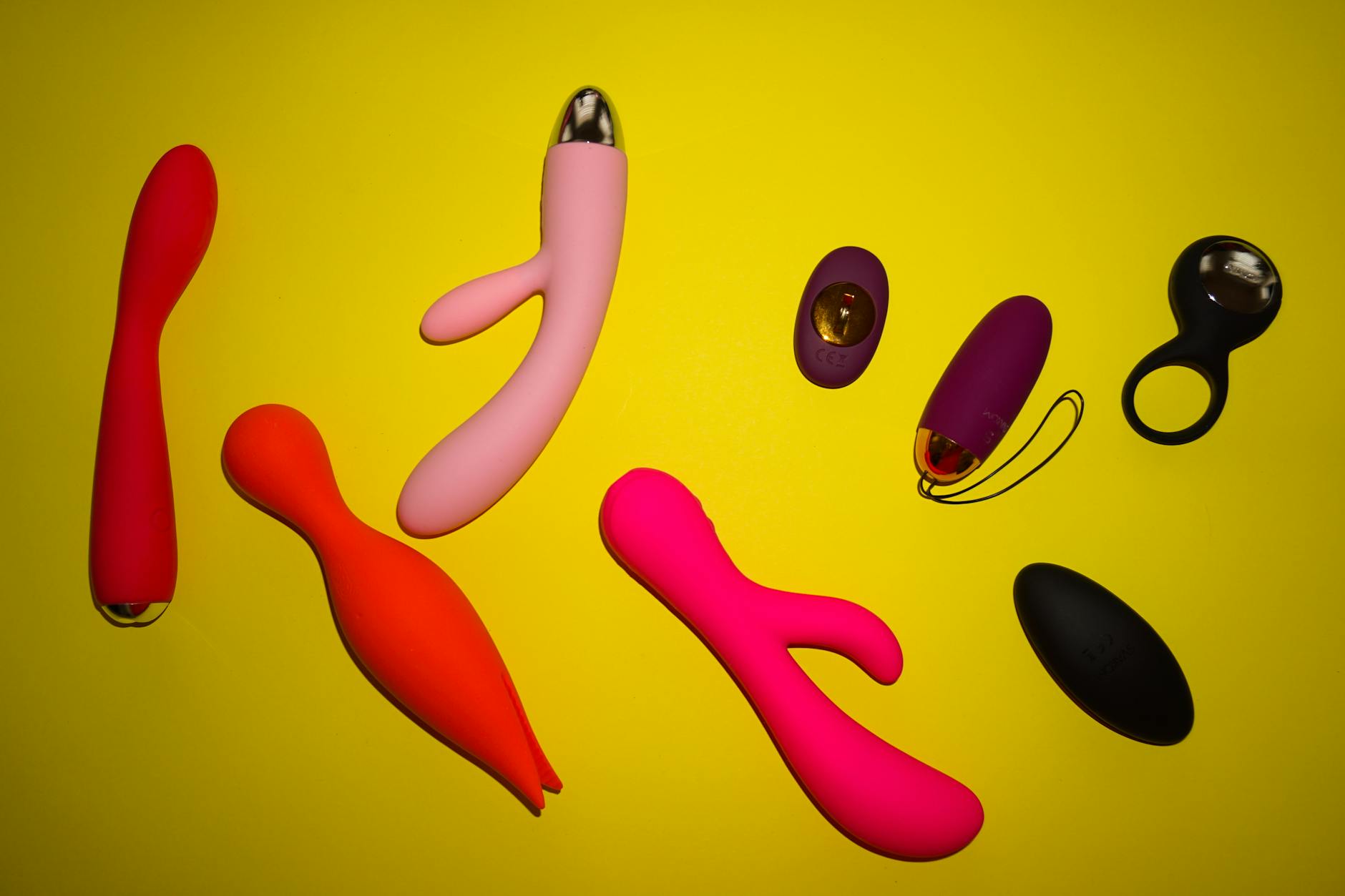
Here's the thing about mismatched desire
One partner wants sex twice a week. The other wants it twice a month. Neither person is wrong. Both feel rejected. The lower-desire partner feels pressured; the higher-desire partner feels abandoned. And somewhere in that gap, resentment starts to grow.
I've worked with hundreds of couples in this exact spot. The shame is often worse than the mismatch itself. Both people think something is broken. Neither of them realizes that desire differences are normal, predictable, and fixable with the right approach.
This is where lemon vibrators change the conversation entirely.
The problem with waiting for synchronized desire
Most couples try to solve mismatched desire by one person suppressing their needs or the other forcing themselves to perform. Both paths fail. Suppression builds resentment. Performance breeds anxiety, which tanks desire even further.
The old relationship advice was: "Just talk about it." That's step one. But talking alone doesn't rebuild the physical intimacy that's already eroded. And it doesn't address the core issue: the lower-desire partner often feels broken, and the higher-desire partner feels rejected.
What actually works is giving both people autonomy while rebuilding connection at the same time. This is where lemon clitoral vibrators enter the picture. They're not a band-aid. They're a reset button that lets both partners access pleasure independently and together.
How the Lem and similar tools solve this
Lemon sexual toys like the Lem work differently from traditional vibrators. Air-suction stimulation is gentler, more focused, and often faster. This matters when desire is low or anxiety is high.
Here's the dynamic that shifts: The lower-desire partner can explore pleasure on their own schedule without pressure. No performance anxiety. No clock ticking. Just sensation. Many people discover that anxiety was the real culprit all along. Once that pressure lifts, desire often returns naturally.
Meanwhile, the higher-desire partner isn't waiting or resenting. They're using the time for their own pleasure or they're engaging with their partner in a way that doesn't feel like negotiation. Both people get what they need.
The solo exploration piece is crucial
Before I recommend toys to a couple, I ask one question: How well do you know your own pleasure? Most people don't. They've never explored alone without goal pressure.
When the lower-desire partner uses a lemon vibrator solo, something shifts. They reconnect with their own body. They learn what actually feels good versus what they think should feel good. They often discover that sensation returns faster when there's no expectation of performance.
This solo work is not a replacement for partnered intimacy. It's the foundation that makes partnered intimacy possible again.
Bringing it back to the relationship
Once both partners have explored separately, the conversation changes. Instead of "Why don't you want me?" it becomes "I found something that works for me. Want to explore together?"
Lemon adult toys become a bridge, not a replacement. Some couples use them together. Some don't. The point is that both people now have agency.
I worked with a couple recently where the husband wanted sex three times a week and the wife wanted it once a month. After six months of pressure, they'd stopped touching entirely. I suggested they each spend two weeks exploring solo with toys. The wife used a lemon vibrator and reconnected with physical pleasure outside the pressure of partnered sex. When they came back, the conversation was completely different. She understood her own pleasure again. He understood she wasn't broken. They ended up meeting at twice monthly with the lemon toy involved some of the time. That's not a perfect compromise. It's a sustainable one.
The anxiety piece you can't ignore
Mismatched desire rarely exists in a vacuum. Usually, there's anxiety underneath. The lower-desire partner is anxious about performance. The higher-desire partner is anxious about rejection. Both are true at the same time.
Lemon clitoral vibrators short-circuit that anxiety loop because they bypass the need to be "good enough" or to satisfy someone else. The sensation is direct, immediate, and doesn't depend on anyone else's presence.
I've found that when couples introduce this tool, the anxiety about sex drops noticeably within four to six weeks. Not because the tool is magic, but because it removes performance pressure from the equation.
Communication shifts that actually matter
Once you've introduced a lemon vibrator to your dynamic, the conversations change. Instead of "Do you want to have sex?" it becomes "I want to feel close to you tonight. What does that look like for you?" That's radically different. Closeness and sex aren't the same thing.
Sometimes closeness means using a toy together. Sometimes it means one partner using the Lem while the other is present but not penetrating. Sometimes it means separate pleasure sessions followed by nonsexual touch.
The couples who succeed with mismatched desire aren't the ones who suddenly align their libidos. They're the ones who stop seeing different desires as a relationship failure and start treating them as a practical puzzle to solve together.
When to see a professional
If desire has disappeared entirely and neither partner is aroused, that's worth a conversation with a therapist or a doctor. Low desire can signal depression, hormonal shifts, relationship resentment, or medical issues. A lemon vibrator can't fix those root causes.
But if one partner has low desire while the other has normal desire, and both are willing to experiment, tools like the Lem often make a measurable difference within weeks.
The real thing lemon vibrators restore
It's not just pleasure. It's the sense that both people matter. That both people's needs count. That intimacy is something you build together instead of something one person withholds.
Mismatched desire feels like a relationship problem because it gets framed as rejection. But it's usually a communication and tools problem. The lemon clitoral vibrators and other Hello Nancy toys reset that framing entirely.
FAQ
Does using a vibrator mean my partner isn't enough?
No. A vibrator is a tool, like a vibration setting on a massage chair. It doesn't replace your partner. It often makes your partner feel more relevant because it removes the pressure of being solely responsible for your pleasure. When one person isn't carrying the weight of being your only source of sensation, the relationship actually deepens.
Can we use a lemon vibrator together if we have very different desire levels?
Completely. Some couples use the Lem during partnered sex to increase stimulation for the lower-desire partner, which often makes orgasm easier and faster. That reduces performance anxiety and means both people get something out of the encounter. Other couples use toys separately and then come together for nonsexual intimacy. There's no single right way.
How long does it take for mismatched desire to improve with toys?
The physical piece shifts quickly, usually within two to four weeks of solo exploration. The relationship piece takes longer because you're both unlearning shame and pressure. Most couples I work with report significant improvement in intimacy conversations within six to eight weeks of introducing lemon vibrators and doing some personal work.
What if my partner is resistant to using toys?
That resistance is worth unpacking. Often it signals anxiety or shame about sex rather than actual objection to the tool. I usually recommend starting the conversation around solo exploration, not partnered use. "I want to understand my own pleasure better" is less threatening than "I want us to use this together." Once your partner sees the tool isn't a threat to your relationship, resistance usually softens.
Can a lemon vibrator fix a broken relationship?
No. If the relationship has deeper issues like infidelity, financial resentment, or contempt, a vibrator won't fix that. But if the relationship is solid and mismatched desire is the primary issue creating distance, tools like the Lem often restore physical connection surprisingly quickly. You're solving the symptom and the cause at the same time.
Is it normal for desire to fluctuate within a relationship?
Completely normal. Desire rises and falls with stress, hormones, work, parenting, health, and relationship tension. The couples who handle it best aren't those with perfectly matched libidos. They're the ones who don't treat fluctuation as a character flaw and who have tools and communication skills to navigate it. Lemon vibrators become part of that toolkit.
The bottom line
Mismatched desire doesn't have to mean distance. It often means you need better tools, clearer communication, and permission to access pleasure independently as well as together. A lemon vibrator like the Lem is one of those tools. It restores agency, reduces anxiety, and often brings couples back to feeling wanted rather than rejected.
If you're navigating mismatched desire in your relationship and want to explore this further, reach out to talk through what might work for your specific dynamic.