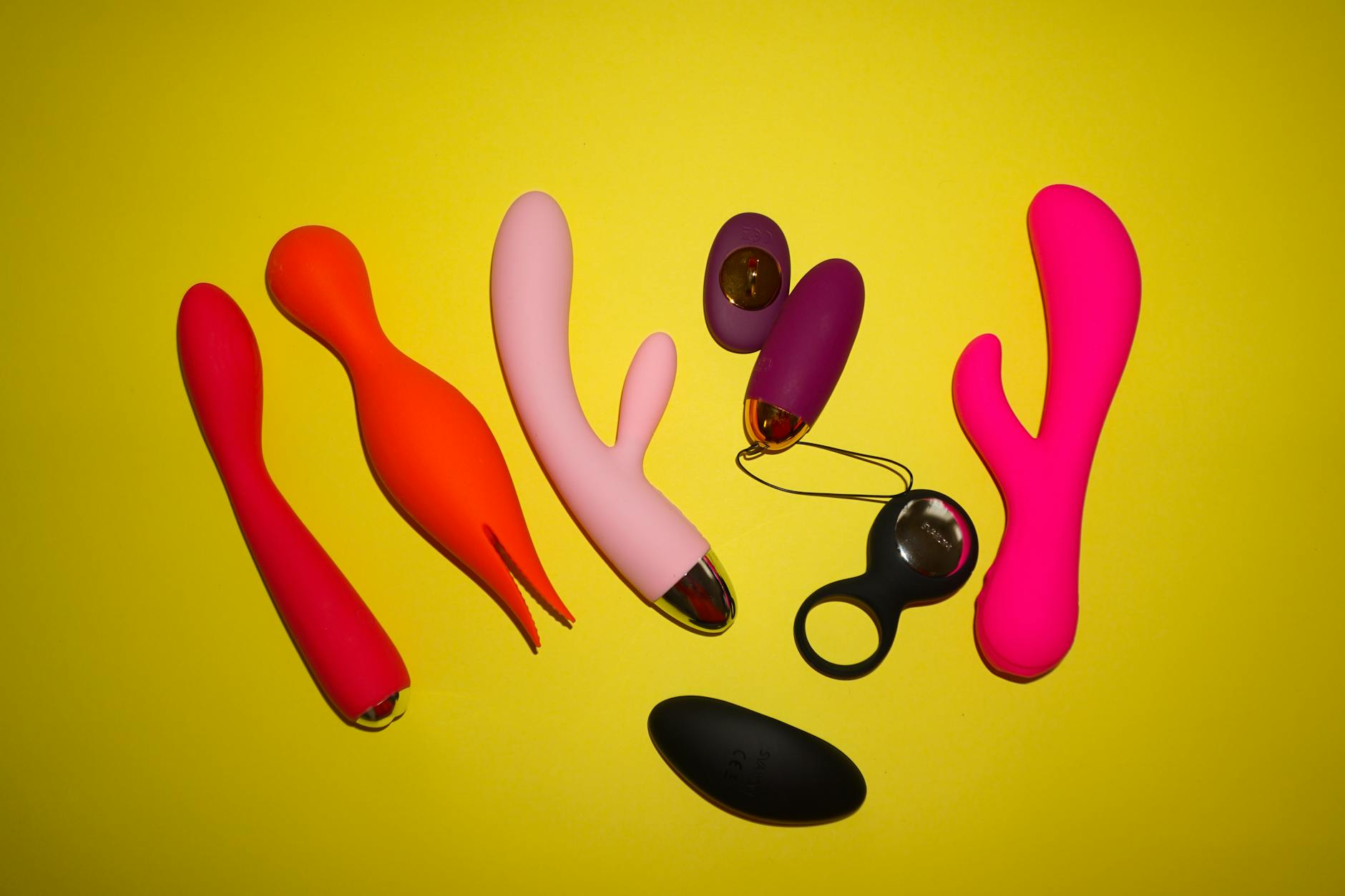
How Lemon Clitoral Vibrators Help With Sensation Changes After Hormonal Shifts
Let's be real. Your body changes every month, sometimes every week, and sometimes over years. Sensation shifts. Arousal speed shifts. What felt amazing last cycle might feel uncomfortable this one. And if you're cycling through hormonal contraceptives, quitting them, starting them, or moving through perimenopause or menopause, the changes can feel genuinely disorienting.
Here's what nobody tells you clearly: this is not dysfunction. This is your nervous system responding to a moving target. And the right lemon vibrator doesn't just help you adapt to change. It actually helps you understand what your body is telling you.
How hormones actually reshape sensation
Estrogen and progesterone don't just affect your mood or energy. They directly change how your clitoris receives and processes sensation. In the follicular phase (when estrogen is rising), tissue is more plump, blood flow is higher, and nerve sensitivity is often sharper. Touch that feels perfect on day 12 of your cycle might feel too intense on day 22, when progesterone has peaked and tissue is slightly less engorged.
Add in testosterone fluctuations, which many people don't realize they have at all. Testosterone dips during menstruation and peaks mid-cycle. It's a primary driver of desire and also affects how sensitive nerve endings are. When testosterone is climbing, many people notice faster arousal and sharper sensation. When it's dipping, arousal takes longer and sensation can feel muted.
The cervical nerves that transmit clitoral sensation are exquisitely sensitive to hormonal signaling. They don't just respond to touch. They respond to the chemical environment around them. This is not a flaw in the design. It's actually how your body communicates what it needs in any given moment.
Why lemon vibrators are particularly good at tracking with you
Most traditional vibrators are one-speed or a few fixed speeds. They're tools that work the same way every time you pick them up. That's fine if your body never changes. But your body does change.
Lemon clitoral vibrators, and particularly models like the lemon vibrator with its variable pattern range, give you control in a way that honors that complexity. You can start at pattern 1 on a day when sensation feels sharp, and that's enough. On another day, you might need to build up to pattern 4 or 5. The device meets you where you actually are, not where you were last month.
The suction mechanism itself is also particularly responsive to hormonal shifts. Instead of relying on direct friction against tissue that might be thinner, thicker, more sensitive, or less sensitive depending on your cycle, suction engages the nerves through a different pathway. It's gentler on sensitive tissue and more effective on tissue that needs more consistent stimulation. That flexibility is why so many people with cycling bodies report that lemon vibrators feel less predictable (good word) and more adaptive than other toys.
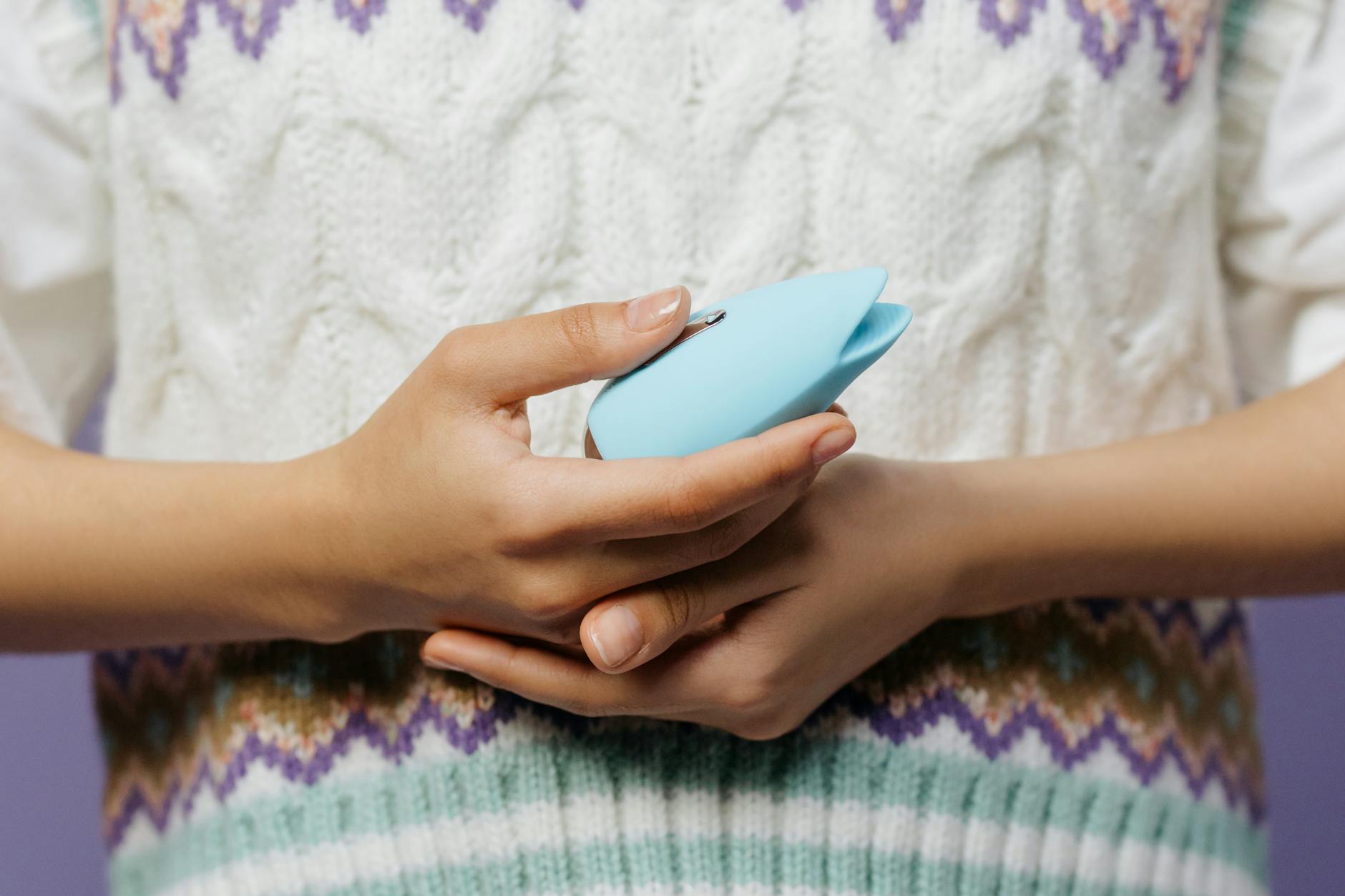
Photo by cottonbro studio on Pexels
The timing of sensation shifts through your cycle
If you menstruate, you probably have intuition about this already. But here's the week-by-week breakdown of what's usually happening, and why it matters for choosing your toy settings.
Days 1-5 (Menstruation). Tissue is slightly contracted. Sensation can feel duller. Estrogen is low. Many people find they need more direct, consistent stimulation. Lemon clitoral vibrators work particularly well here because you can layer patterns or keep steady with a single intense setting without fatigue.
Days 6-12 (Follicular phase). Estrogen climbs. Tissue becomes more engorged. Sensation sharpens dramatically by day 10-12. This is often when people are most sensitive to intensity and can find their usual settings suddenly feel too strong. The variable patterns on lemon vibrators let you dial back without feeling like you're compromising on sensation.
Days 13-14 (Ovulation). Peak estrogen and testosterone. Sensitivity is highest. Arousal is fastest. Many people find they can orgasm more quickly and intensely. This is when you might explore higher patterns on your vibrator and discover new levels of sensation you didn't know were available.
Days 15-28 (Luteal phase). Progesterone rises. Tissue becomes slightly less engorged again. Sensitivity gradually dulls. Arousal takes longer to build. The beginning of this phase (days 15-21) is still usually more sensitive than day 25-28. Lemon vibrators' pattern flexibility means you can adjust mid-cycle as sensation changes even within this phase.
Why sensation changes feel alarming and how to reframe them
The scariest part of hormonal sensation shifts is usually the uncertainty. You think: "Am I losing sensitivity permanently? Is something wrong? Did I break my body somehow?" The answer is almost always no.
What's actually happening is that your body is communicating. High sensitivity in the follicular phase isn't better or worse than softer sensation in the luteal phase. They're just different operating systems. High sensitivity tells you that your nervous system is revved and responsive. Lower sensitivity tells you that your nervous system is in a more receptive, building-focused mode.
Most people with experience across their cycles report that they actually get more profound orgasms in the luteal phase, even if arousal takes longer and sensation feels less sharp. The intensity of climax isn't the same as the sharpness of sensation. You can have a gentle build with a deep, spreading release. You can have a sharp spike with a quick, concentrated peak. Neither is the goal. Your goal is accuracy and pleasure.
That's where a device like a lemon clitoral vibrator becomes genuinely useful. It doesn't ask you to force your body into one setting. It lets you respond.
How to actually use lemon vibrators across hormonal changes
Here's the practice that changes everything: track your sensation baseline for one cycle, and note where you land on your vibrator's settings.
Day 5 of your cycle, what pattern feels best? Day 12? Day 20? Day 25? Write it down. You don't need an app (though you can use one). You don't need to be precious about it. Just "Pattern 2, felt sharp," or "Pattern 4, needed buildup."
After one cycle, you'll see the map of your own body. You're not guessing anymore. You're reading data.
The second practice: learn to pause and check in, especially when sensation feels different than you expected. Instead of immediately assuming something is wrong, ask: "What day am I?" "Am I in my follicular or luteal phase?" "What did I note worked here last month?" You're building literacy, not troubleshooting a problem.
For partners: if you're using a lemon clitoral vibrator with someone else, the same principle applies. Check in about what settings work on any given day. Sensation shifts are not rejection. They're just information. An intimate partner gets to be part of that information gathering. It's actually one of the most connective things you can do together.
When sensation changes signal something worth attention
There's normal cycling, and then there's something that's actually changed. If your sensation is dramatically flatter than it used to be across multiple cycles, or if arousal has basically vanished, or if sensation is painful rather than just different, that's worth talking to a doctor about.
New medications can change sensation. Ongoing stress can suppress arousal. Hormonal contraceptives affect people very differently. Some people thrive on the pill. Others find it flattens their entire sexual response and need a different method. Perimenopause and menopause create shifts that last months, not days.
The good news: most of these are addressable. A gynecologist or menopause-trained GP can often identify what's happening and offer options. A therapist can help you work through the relationship between stress and arousal. Switching contraceptive methods might restore sensation you thought was gone. A lemon vibrator isn't a replacement for medical consultation, but it's an excellent companion while you're getting clarity.
The deeper pattern nobody talks about
Here's what I notice after years of working with couples and individuals navigating pleasure: the people who adapt best to sensation changes are the ones who stay curious instead of getting rigid. They don't think "I need to orgasm at pattern 3" the same way every time. They think "I wonder what my body needs right now."
Lemon clitoral vibrators are tools that support that curiosity. They're flexible. They meet you where you are. And they don't punish you for changing.
Your body is supposed to change. It's not a failure of equipment or discipline. It's a feature. Understanding it is one of the greatest pleasures available to you.
People also ask
Why does my clitoral sensitivity change throughout my menstrual cycle?
Estrogen and progesterone directly affect tissue thickness, blood flow, and nerve sensitivity. As these hormones rise and fall, your clitoris literally becomes more or less engorged, and the nerves transmitting sensation respond to the changing chemical environment. In your follicular phase, when estrogen is climbing, sensitivity is typically sharpest. In your luteal phase, when progesterone peaks, sensitivity often softens. This is normal and cyclical.
Can lemon vibrators help if my sensation feels completely numb?
Complete numbness across multiple cycles warrants medical attention first. But if numbness is part of your hormonal pattern (common in late luteal phases or certain contraceptive use), lemon clitoral vibrators can help because their suction mechanism engages nerve pathways that might be less responsive to direct friction. Starting at lower patterns and building gradually also helps. Numbness isn't permanent unless there's an underlying condition, and identifying which cycle phase it happens in is crucial information for a doctor.
Should I use the same lemon vibrator setting every time?
No. Your body changes, so why would your tool settings? Track what feels good across your cycle and adjust accordingly. Some days pattern 2 is perfect. Other days pattern 4 is necessary. This isn't indecision. It's responsiveness. Many people find that having flexibility in their toy is actually more satisfying than forcing their body to work with one fixed setting.
Do hormonal contraceptives permanently change sensitivity with lemon vibrators?
Some hormonal methods flatten sensitivity for some people, while others notice no change. Others find they have better sensation on hormonal contraceptives. It's highly individual. If you've started or switched a contraceptive and your sensation with lemon clitoral vibrators feels different, give it three months to stabilize. If it hasn't shifted by then and you're unhappy, talk to your doctor about alternatives. Changing methods can restore sensation.
What if my partner thinks sensation changes mean I'm losing interest?
Communication. Sensation shifts are about biology, not desire. Show your partner the pattern. "On day 12, I need more intensity. On day 25, I need slower buildup." Use your lemon vibrator data as a conversation starter. Many partners find it genuinely hot to be let in on how your body actually works. It shifts the frame from "something's wrong" to "I'm inviting you into how I function."
How long does it take to understand my personal sensation pattern?
One full cycle if you're paying attention. After 30 days of noting what settings feel good on what days, you'll have a map. After two or three cycles, the pattern becomes obvious and you'll anticipate shifts before they fully hit. This is one of the most practical skills you can develop around your own pleasure.
The takeaway
Your body isn't broken when sensation changes with your hormones. It's communicating. Lemon vibrators, with their variable patterns and responsive design, are tools that let you listen. Track your cycle, adjust your settings, stay curious, and remember that pleasure isn't about one consistent experience. It's about meeting your body where it is, every single time.
If sensation shifts feel overwhelming or completely disconnected from your normal pattern, talk to your doctor. But if they're just part of your natural rhythm, celebrate the flexibility. You're not less sensitive. You're cycling.